 EN


Commercial weight rooms depend on reliable, durable equipment to support their daily operations and member satisfaction. Among all the tools and machines in a modern gym, barbell plates stand out as one of the most fundamental and widely used components. Understanding why barbell plates are so common in commercial weight rooms reveals important insights about gym management, member safety, and operational efficiency. The prevalence of barbell plates in professional training environments is not accidental—it reflects decades of industry experience, proven performance, and practical business logic.
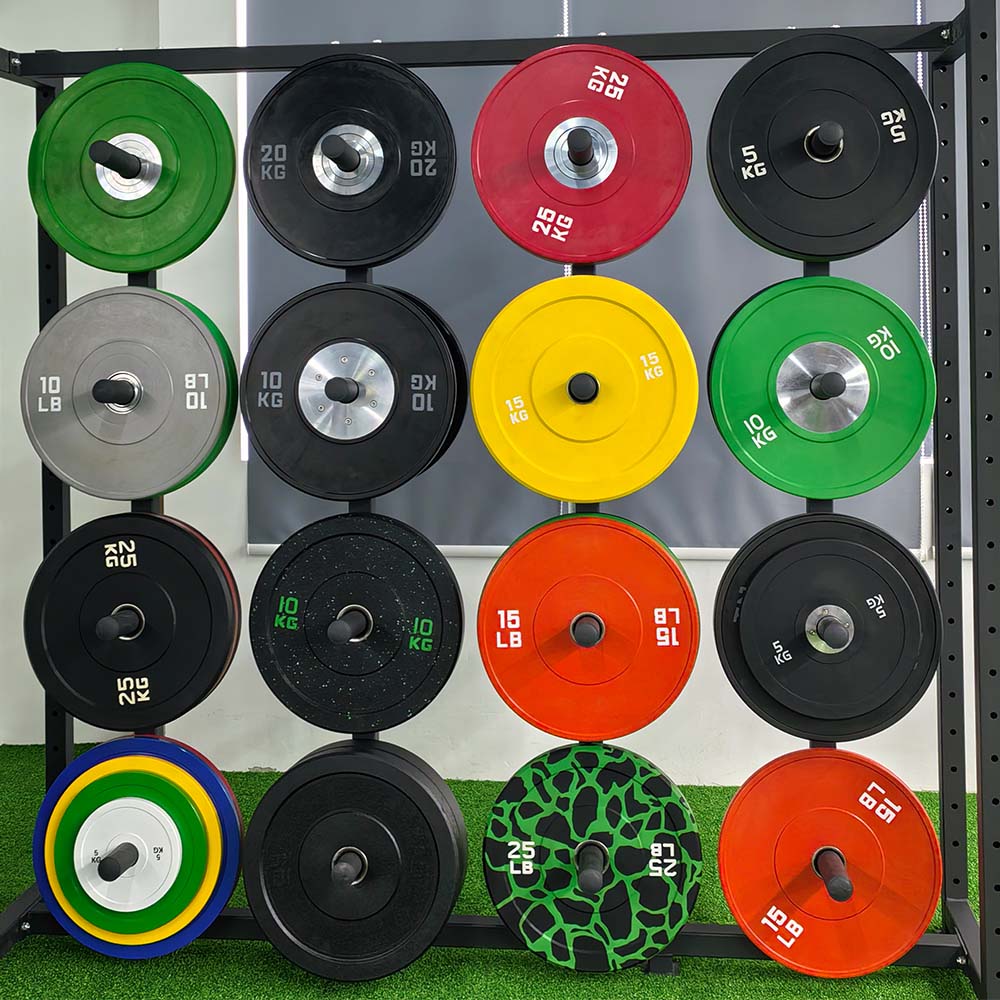
The dominance of barbell plates in commercial settings stems from their unmatched combination of versatility, safety, and value. Gym owners and fitness directors choose barbell plates as their core loading system because they serve virtually every training modality—from powerlifting and weightlifting to CrossFit, functional training, and general strength conditioning. This broad applicability means facilities can maximize equipment utility while minimizing inventory complexity. Barbell plates also represent a proven standard recognized by athletes worldwide, which builds member confidence and reduces the learning curve for new users.
Durability and Long-Term Cost Efficiency
Why Commercial Facilities Invest in Quality Barbell Plates
Commercial weight rooms operate under intense, continuous use that would quickly destroy inferior equipment. Barbell plates engineered for commercial environments are manufactured to withstand thousands of drops, clang impacts, and heavy loading cycles without cracking, warping, or losing calibration. Quality barbell plates maintain their structural integrity through seasons of high-traffic use, which directly translates to lower replacement costs and reduced downtime. Gym operators understand that investing in premium barbell plates upfront saves substantial money over a five-to-ten-year facility lifecycle compared to cheaper alternatives that require frequent replacement.
Material Selection and Performance Standards
Professional-grade barbell plates are typically made from cast iron or high-durability urethane compounds that resist chipping, cracking, and surface degradation. Urethane barbell plates offer additional noise reduction and floor protection, making them especially valuable in commercial facilities where multiple stations operate simultaneously. The material choice for barbell plates reflects the manufacturer's commitment to safety and longevity. Commercial weight rooms favor barbell plates constructed to ISO or ASTRO standards, ensuring consistent weight accuracy and performance across every plate in the facility.
Safety, Standardization, and Member Trust
Consistent Weight Standards in Barbell Plates
Safety in commercial environments depends on precise, reliable equipment. Barbell plates certified to international standards provide weight accuracy that members can trust absolutely. When an athlete loads a barbell with certified barbell plates, they know the total load is exactly what the bar displays—a critical factor for injury prevention and effective programming. Inconsistent or uncalibrated barbell plates create dangerous training conditions where members might attempt loads they're unprepared to handle. Commercial facilities select reputable barbell plates with third-party testing and certification to maintain the highest safety profile and protect both members and liability exposure.
Recognition and Member Confidence
Athletes of all experience levels recognize standard barbell plates immediately. Competitive lifters, CrossFit athletes, and casual gym-goers already understand how to use barbell plates safely and effectively. This universal recognition eliminates confusion and reduces staff training burden. When a new member enters a commercial weight room and sees familiar barbell plates on standard barbells, they feel confident to begin training without extensive instruction. The familiarity of barbell plates extends the usability of the facility and supports member retention. Facilities that stock unusual or non-standard barbell plates create barriers to entry and increase staff support requirements, which is operationally inefficient.
Versatility Across All Training Modalities
Supporting Diverse Training Programs
Commercial weight rooms serve a broad demographic with varied fitness goals—powerlifting, bodybuilding, athletic performance, general health, and rehabilitation. Barbell plates are the single most versatile loading tool because they work equally well for all these applications. Whether a member is performing Olympic lifts, strength work, or metabolic conditioning, barbell plates provide the flexible loading system they need. Specialized equipment like machines serves narrow purposes, but barbell plates adapt to any training philosophy or program design. This adaptability makes barbell plates the foundational investment for any facility planning to serve a diverse membership base.
Space Efficiency and Equipment Density
A single set of barbell plates can be redistributed across multiple barbells and stations throughout the day. This flexibility maximizes space utility in commercial environments where real estate is expensive. Unlike fixed-weight dumbbells or single-purpose machines, barbell plates scale infinitely—a facility can accommodate beginner members using light barbell plates and advanced athletes using the same barbell plates in heavier combinations. Facilities optimize training density by positioning multiple squat racks, deadlift platforms, and bench press stations around a central supply of barbell plates. This design approach, centered on barbell plates, is the industry standard for maximizing member capacity without expanding the physical footprint.
Operational Simplicity and Staff Management
Inventory Management for Commercial Weight Rooms
Managing inventory of diverse equipment types complicates commercial gym operations. Barbell plates simplify this challenge because they're standardized, interchangeable, and require minimal maintenance compared to electronic machines or specialty devices. Staff need only monitor plate condition, ensure proper storage, and verify weight accuracy—straightforward tasks that don't require specialized technical training. Ordering new barbell plates follows simple logic based on facility size and member count. The consistency and simplicity of maintaining barbell plates allows facility managers to focus resources on member experience and programming rather than equipment troubleshooting.
Cleaning and Maintenance Protocols
Professional barbell plates require minimal maintenance beyond regular cleaning. Unlike machines with electronic components, hydraulic systems, or moving parts, barbell plates simply need occasional wiping and storage in designated racks. This straightforward care protocol keeps barbell plates hygienic and extends their lifespan significantly. Staff training for barbell plates maintenance takes minimal time, reducing labor costs and ensuring consistent care quality. The simplicity of barbell plates maintenance contrasts sharply with complex equipment that demands professional service, calibration, and parts replacement—another reason commercial facilities prioritize barbell plates as their primary loading method.
FAQ
Why do commercial gyms stock so many barbell plates compared to home gyms?
Commercial weight rooms require extensive barbell plates inventory to support simultaneous use across multiple stations and accommodate diverse member strength levels. A single commercial facility might need hundreds of barbell plates ranging from light to heavy to serve peak-hour traffic, whereas home lifters typically own just enough barbell plates for their personal training needs. The high-traffic nature of commercial environments makes bulk barbell plates investment economically sensible, and the standardization of barbell plates across stations simplifies daily operations for facility staff.
Are barbell plates safer than machines in commercial weight rooms?
Both barbell plates and machines serve important safety roles, but they function differently. Barbell plates require proper lifting technique and form control, which builds genuine strength and stability. Machines guide movement patterns and may prevent certain injuries, but barbell plates develop functional strength that transfers to real-world activity. When commercial facilities provide quality barbell plates, proper equipment setup, and staff education, barbell plates are as safe as any alternative. The key safety factor is consistent certification of barbell plates and staff training—not the equipment type itself.
How do commercial facilities determine how many barbell plates to purchase?
Facility managers calculate required barbell plates based on membership size, peak-hour capacity, and training program diversity. A general rule is that a commercial facility needs approximately 20 to 30 pounds of barbell plates per member, distributed across multiple weight increments. Facilities offering strength-focused programming require more heavy barbell plates, while those emphasizing general fitness need a balanced mix of light and moderate barbell plates. Regular assessment of barbell plates utilization and member feedback helps facilities optimize their barbell plates inventory over time.