 EN

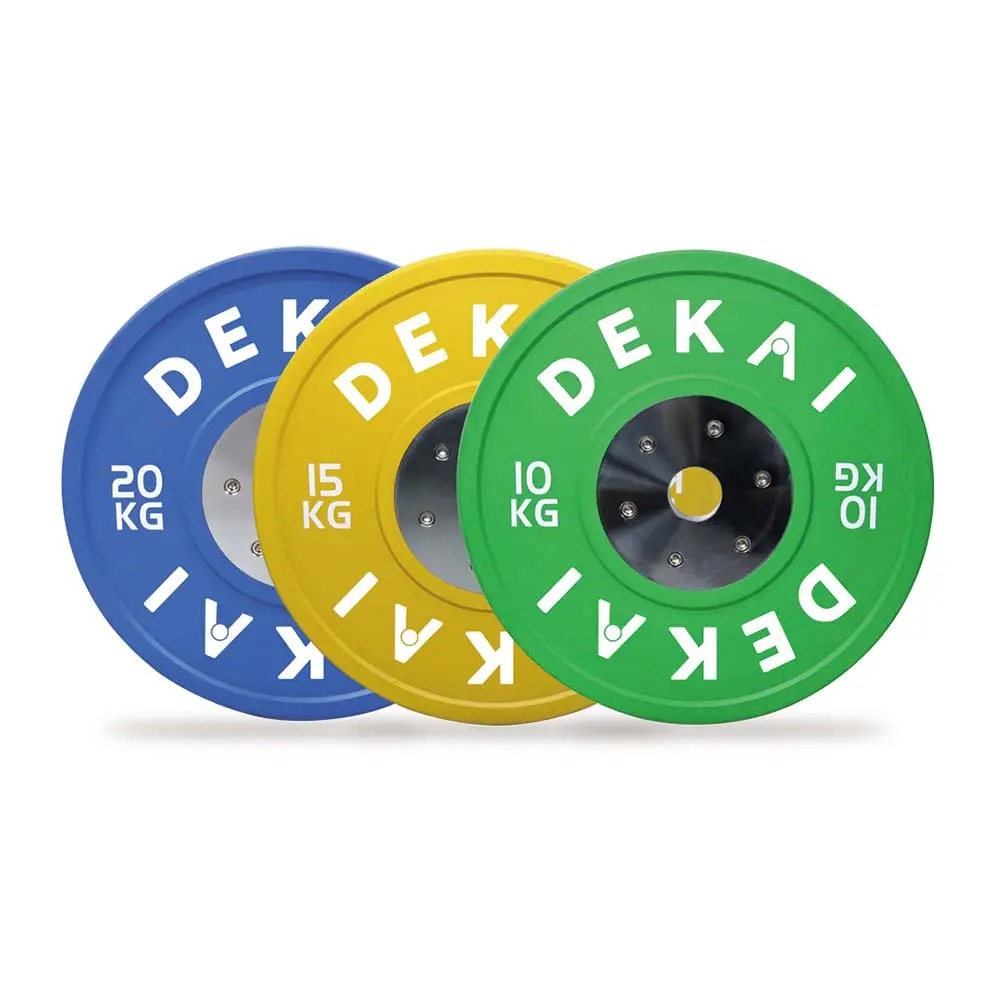
Barbell plates are the foundation of progressive resistance training, offering gym professionals and athletes the flexibility to customize workout intensity for virtually any fitness goal. Whether you're designing a program for powerlifting, CrossFit, strength conditioning, or general fitness, barbell plates provide the precision and adaptability needed to scale resistance across different exercises and training phases. Understanding how barbell plates support flexible resistance training is essential for anyone serious about optimizing their strength development and workout performance.
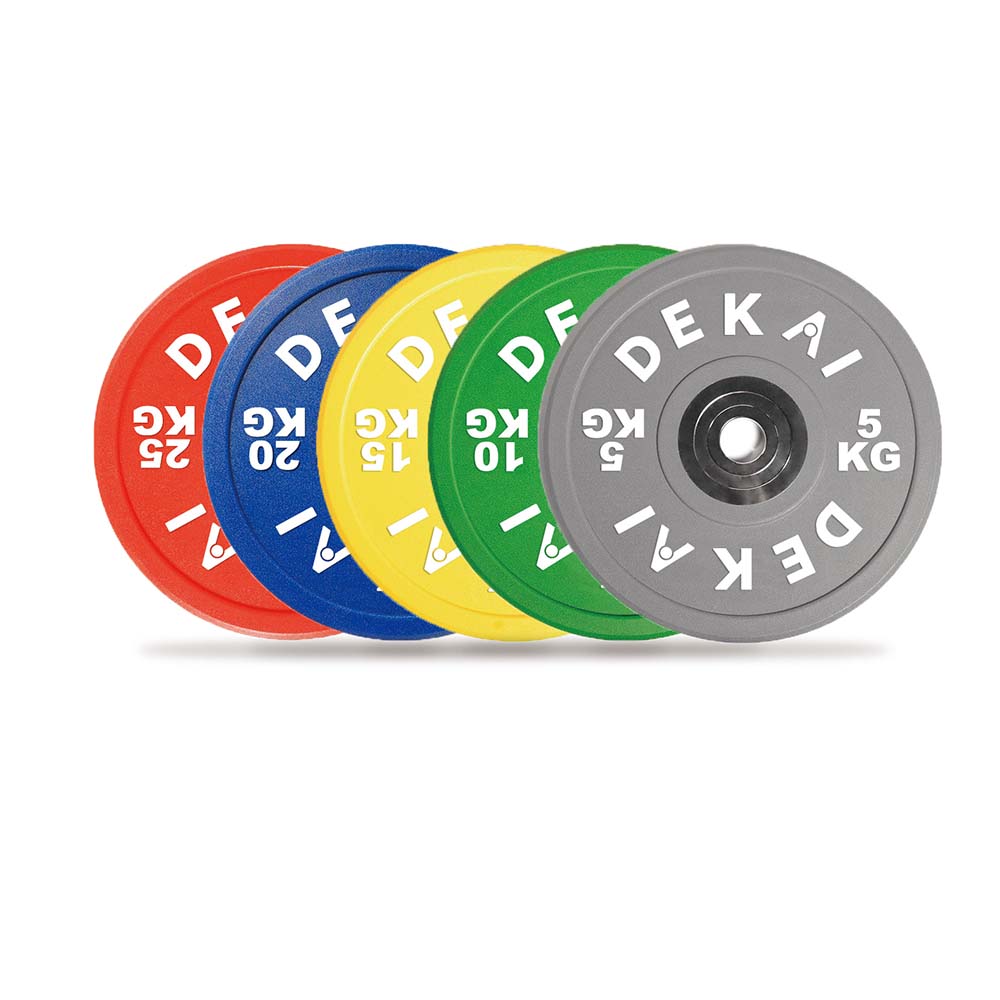
The versatility of barbell plates lies in their modular design and weight variety. Unlike fixed-weight machines that limit users to preset resistance increments, barbell plates allow athletes to make fine adjustments in 2.5-pound, 5-pound, or even smaller increments depending on the plate set composition. This granular control transforms how training programs evolve, making barbell plates indispensable for both beginners learning proper form and advanced lifters pushing strength boundaries.
How Barbell Plates Enable Progressive Overload
Adding Incremental Weight for Continuous Adaptation
Progressive overload is the fundamental principle driving strength gains, and barbell plates make this strategy practical and sustainable. As athletes complete prescribed repetitions and sets, adding barbell plates in small increments signals the body to adapt and grow stronger. The beauty of barbell plates is that this progression doesn't require jumping to the next machine or purchasing entirely new equipment—simply load the bar with appropriate barbell plates and progress naturally. Over weeks and months, cumulative gains from consistent microloading with barbell plates produce measurable strength increases without the shock of extreme jumps in resistance.
Matching Resistance to Exercise Specificity
Different exercises demand different loading strategies, and barbell plates accommodate this variation seamlessly. Heavy compound lifts like squats and deadlifts typically require heavier barbell plates, while accessory movements and isolation work benefit from lighter resistance profiles. An athlete might load 45-pound barbell plates for a squat session, then reduce to 25-pound barbell plates for upper back exercises or lighter mobility work. This exercise-specific flexibility prevents training plateaus and allows for balanced program design that addresses weak points and muscular imbalances through intelligent barbell plates selection.
Creating Customized Training Protocols with Barbell Plates
Sport-Specific Programming and Athlete Development
Coaching staff and strength professionals rely on barbell plates to build sport-specific training templates tailored to each athlete's position, level, and training phase. A football player might use heavier barbell plates for strength development in the off-season, then transition to moderate resistance with barbell plates during competitive season to maintain power while reducing injury risk. Sports performance requires this adaptability, and barbell plates provide the precision tool to shift training stimulus without disrupting the coaching timeline or facility constraints. The modular nature of barbell plates makes it possible to run multiple training blocks simultaneously, with different athlete groups using the same equipment at appropriate loading levels.
Periodization and Training Phase Transitions
Strategic training periodization divides the year into phases with distinct goals: hypertrophy building, strength development, power emphasis, or active recovery. Barbell plates enable smooth transitions between these phases because coaches can adjust loading while maintaining exercise selection and movement patterns. During a hypertrophy block, barbell plates might load the bar to create 8–12 repetition maximums, then shift to heavier barbell plates for a subsequent strength cycle targeting 3–6 repetitions. This systematic manipulation of barbell plates resistance keeps training fresh, drives continuous adaptation, and prevents the monotony and diminishing returns of static programming.
Practical Flexibility in Gym Environments and Training Sessions
Accommodating Multiple Skill Levels and Concurrent Training
Facilities often house athletes and clients at vastly different strength levels, and barbell plates solve the logistical challenge of concurrent training without equipment bottlenecks. A beginner performing their first barbell squat might load a bar with 25-pound barbell plates on each side, while an advanced lifter at an adjacent station loads 45-pound barbell plates plus additional fractional barbell plates to reach competition weight. The same barbell and collars accommodate both scenarios seamlessly. This scalability makes barbell plates economically efficient for commercial gyms, athletic departments, and training facilities because one standardized equipment set serves populations with radically different strength capacities.
Real-Time Workout Adjustments and Recovery Awareness
Training variables shift based on daily recovery status, energy levels, and neurological readiness, making rigid fixed-resistance machines problematic for serious athletes. When an athlete arrives fatigued, barbell plates allow instant load reduction without abandoning the planned exercise or methodology. Conversely, unexpected readiness might justify loading heavier barbell plates to capitalize on exceptional performance. This responsiveness to daily fluctuations is impossible with machines but fundamental to barbell plates training philosophy. Coaches and athletes who leverage this flexibility demonstrate better adherence to programs because barbell plates training feels sustainable rather than prescriptive.
FAQ
What weight increments should barbell plates follow for optimal progression?
Standard barbell plates progress in 45-pound, 35-pound, 25-pound, 10-pound, and 5-pound increments, with fractional barbell plates available in 2.5-pound and 1.25-pound sizes for fine-tuning. Lower body strength work typically progresses in 5-pound increments on barbell plates, while upper body exercises may progress in 2.5-pound increments with barbell plates for sustainable gains. The specific barbell plates progression strategy depends on individual strength levels and the exercise, but smaller increments generally support longer-term adherence and injury prevention compared to larger jumps.
How do barbell plates compare to adjustable dumbbells for training flexibility?
While adjustable dumbbells offer convenience and space efficiency, barbell plates provide superior loading capacity, bilateral symmetry, and exercise variety that adjustable dumbbells cannot match. Barbell plates enable maximum strength development through heavy bilateral movements like squats and deadlifts, whereas adjustable dumbbells cap out quickly for most advanced athletes. Additionally, barbell plates support specialized techniques like pause squats, chains, and bands that define sophisticated training programs, making barbell plates the preferred choice for serious strength development despite the space and cost considerations.
Can barbell plates be used for all exercise variations and training methodologies?
Barbell plates work exceptionally well for compound movements, strength-endurance protocols, and periodized training but require more planning for isolation work and metabolic conditioning compared to machine options. Complex exercises like Olympic lifting variations demand precision barbell plates loading and technique development that beginners might not execute safely. Conversely, barbell plates excel in traditional strength training, powerlifting preparation, functional fitness, and sport-specific conditioning where injury risk is managed through coaching and progressive overload principles inherent to barbell plates training philosophy.