 EN

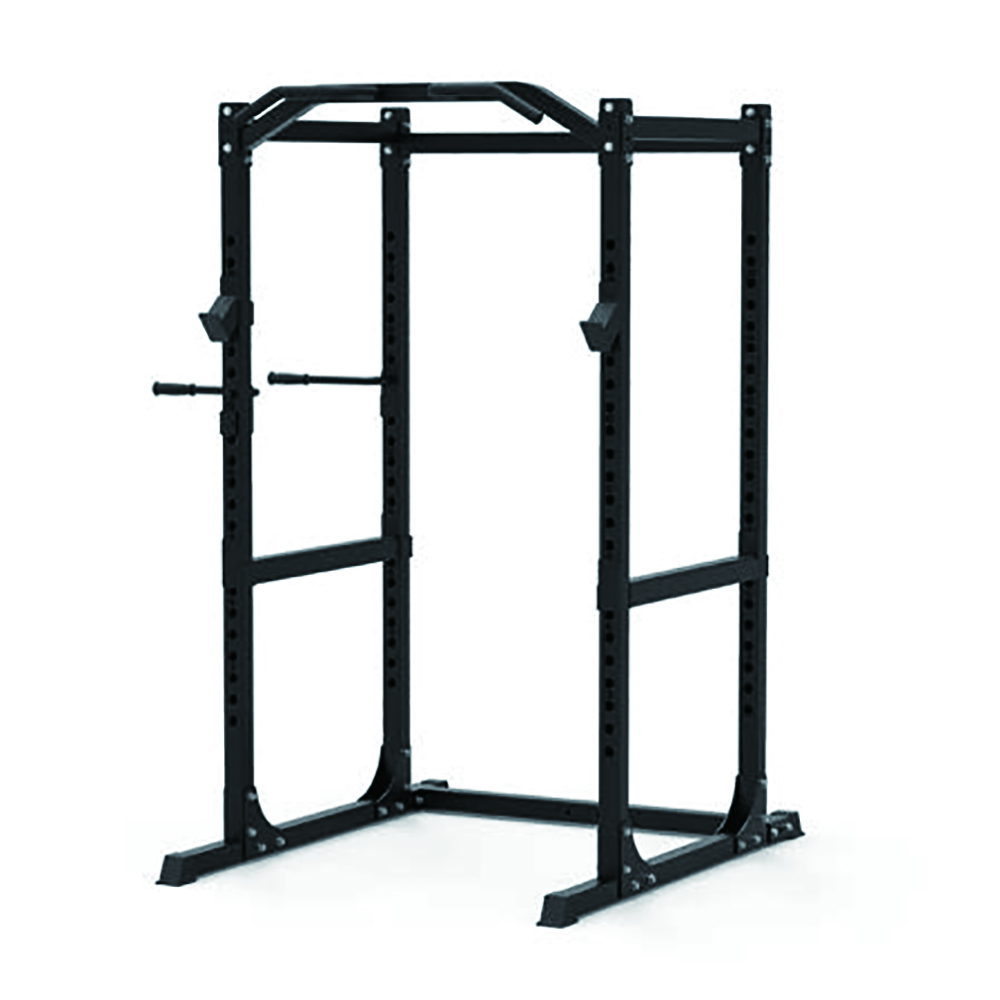
Power racks have become the cornerstone of professional strength training facilities worldwide. These robust structures provide athletes, trainers, and facility managers with the foundational infrastructure needed to deliver safe, effective, and progressive strength development programs. Understanding why power racks are essential requires examining their multifaceted role in modern strength zones, from injury prevention to performance optimization and operational efficiency.
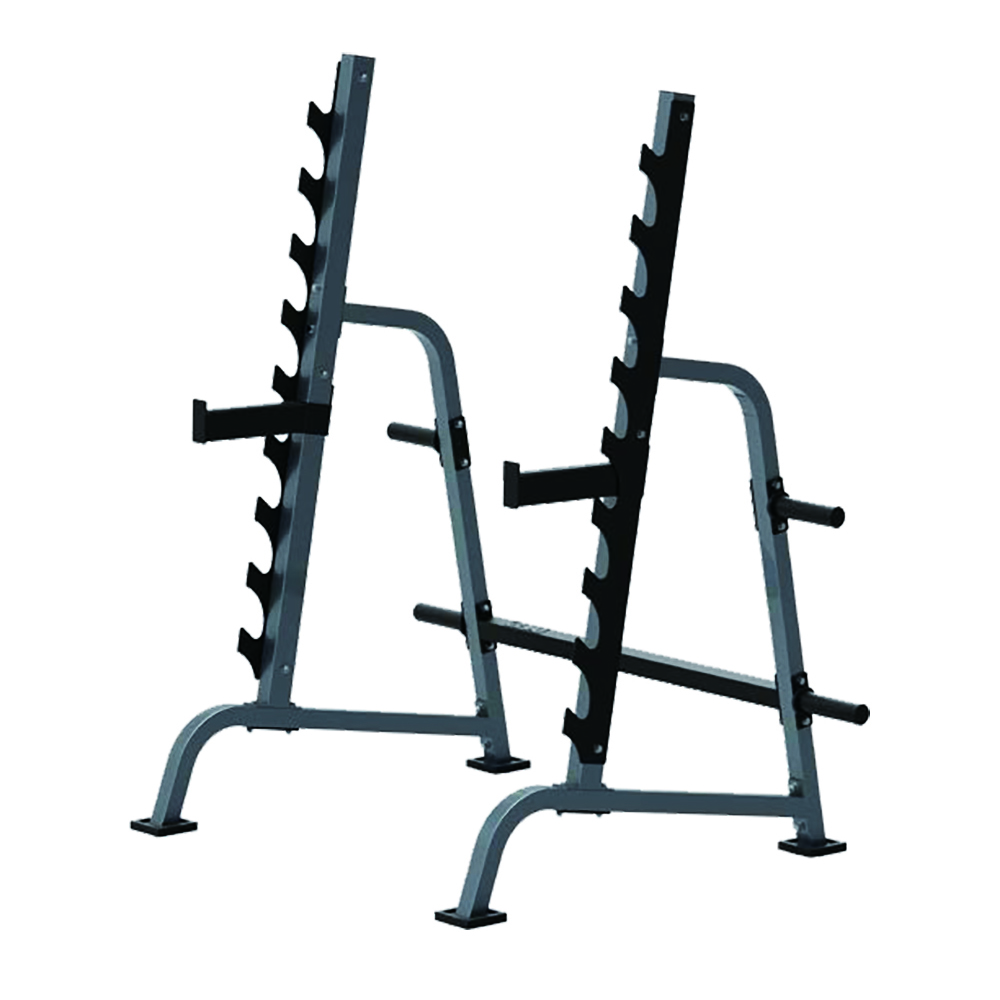
Professional strength zones depend on power racks to standardize training protocols, maximize floor space utilization, and create environments where progressive resistance training can flourish. The presence of quality power racks signals to members that a facility is serious about structured strength development. Whether your facility focuses on competitive powerlifting, CrossFit, general strength conditioning, or functional fitness, power racks represent an investment in member safety, coach confidence, and long-term business sustainability.
Safety Infrastructure and Injury Prevention
The Critical Role of Safeties and Spotter Arms
Power racks protect athletes through engineered safety mechanisms that prevent catastrophic accidents during heavy compound movements. The integrated safety bars within professional power racks allow lifters to train at maximal intensities without requiring spotters. When an athlete misses a squat, bench press, or other compound lift, the safeties catch the barbell before it can cause injury. This feature fundamentally changes how strength zones operate by enabling solo training sessions at high intensities while maintaining safety standards. Quality power racks incorporate adjustable safety arms that accommodate different athlete heights, body mechanics, and lift variations, ensuring consistent protection across diverse training populations.
The psychological benefit of safety infrastructure cannot be overstated. Athletes train with greater confidence and mental focus when they know power racks have engineered failsafe mechanisms. This confidence translates to better performance, more aggressive training approaches, and ultimately faster strength progression. Professional facilities that invest in robust power racks demonstrate their commitment to member welfare, which directly influences retention rates and facility reputation within competitive fitness communities.
Standardized Training Protocols
Power racks establish standardized training environments where coaches can reliably prescribe exercises with consistent depth markers, pin positions, and movement ranges. This standardization is essential for tracking progress, preventing deviation from proper form, and creating repeatable training stimulus across sessions. Professional strength zones utilize power racks to enforce range-of-motion consistency, particularly in compound movements where form degradation increases injury risk. The adjustable pin systems in modern power racks enable coaches to set specific stopping points that reinforce proper technique regardless of an athlete's experience level.
Performance Optimization and Training Versatility
Accommodating Multiple Lift Variations
Professional power racks accommodate far more exercise variations than most facility managers initially realize. Beyond traditional back squats and bench presses, quality power racks enable rack pulls, pin squats, board presses, pause variations, and specialized accessory exercises. This versatility maximizes return on investment by allowing one piece of equipment to serve multiple training populations and program phases. Strength athletes progress through preparation phases using elevated rack pulls, while rehabilitation programs utilize partial-range variations stored safely within power racks. Coaches in professional strength zones recognize that power racks function as performance multipliers when athletes understand all available exercise options.
The adjustable nature of power racks supports periodized training strategies where athletes progress through varied ranges of motion across training cycles. This periodization principle enhances long-term strength development and prevents adaptation plateaus. Elite strength zones structure entire training programs around the capabilities inherent in professional-grade power racks, creating comprehensive systems where every element serves the larger training objective.
Progressive Overload Mechanisms
Power racks enable progressive overload through multiple mechanical pathways. Athletes increase external load through standard weight increments, modify range of motion through adjustable pin positions, manipulate tempo through isometric holds at various points, and increase volume through additional repetitions or sets. These progressive overload pathways work synergistically within power racks, allowing coaches to design sophisticated training progressions that challenge athletes continuously. Professional facilities leverage power racks to create individualized progression frameworks where every training session moves athletes closer to their strength objectives.
Operational Efficiency and Facility Design
Space Optimization and Traffic Flow
Power racks represent the most space-efficient heavy strength training solution available to facility managers. A single power rack enables multiple athletes to complete comprehensive lower body and upper body strength sessions without requiring numerous separate stations. This efficiency becomes crucial in professional strength zones where facility square footage directly influences operational costs and member capacity. Modern power racks occupy compact floor space while delivering training stimulus equivalent to multiple traditional stations. Facility designers use power racks as anchoring elements in strength zones, organizing supplementary equipment and accessory stations around these central structures to maximize traffic flow and training accessibility.
The ergonomic design of professional power racks minimizes setup and transition time between athletes. Standardized pin systems, consistent equipment heights, and intuitive adjustment mechanisms mean athletes spend more time training and less time configuring equipment. This operational efficiency directly impacts member satisfaction and facility throughput during peak training hours. Professional strength zones that prioritize power racks in their equipment strategy simultaneously prioritize member experience and operational profitability.
Long-Term Asset Value and Facility Credibility
Investing in commercial-grade power racks signals serious commitment to members and positions facilities within the professional strength training market tier. Facilities equipped with quality power racks attract serious athletes and established strength communities who recognize the difference between casual fitness equipment and professional-grade infrastructure. This credibility extends to coaching services, program design, and overall facility reputation. Members understand that facilities investing in robust power racks prioritize training quality and safety over superficial aesthetic improvements. This positioning advantage becomes increasingly valuable as strength training markets mature and discerning athletes select facilities based on equipment quality and training culture.
Commercial power racks represent durable, long-term investments that withstand years of intensive use while maintaining structural integrity and performance standards. Unlike consumable equipment that degrades rapidly, professional power racks appreciate in facility value through consistent member demand and training reliability. Facility managers recognize that strategically placed power racks generate member retention, attract strength-focused demographics, and create training environments where progressive athletes naturally congregate and establish communities.
FAQ
What specific safety features distinguish professional power racks from standard home gym models?
Professional power racks incorporate heavy-duty steel construction, commercial-grade safety bars rated for significantly higher loads, and precision-engineered pin systems that withstand millions of adjustment cycles. Commercial power racks feature deeper frames that accommodate wider grip variations, more spotter arm positions for exercise versatility, and superior paint finishes that resist corrosion from intensive daily use. These engineering differences ensure professional power racks maintain safety and performance standards across high-volume training environments where equipment reliability directly impacts member safety and facility liability.
How do power racks support competitive athletes versus recreational fitness members?
Power racks serve competitive athletes through exact range-of-motion control, precise load increments, and safety mechanisms that enable maximal training intensities essential for competitive progression. Recreational members benefit from the same safety infrastructure, simplified equipment operation, and confidence that comes from training within engineered failsafe systems. Professional strength zones optimize power racks for competitive programming while simultaneously making them accessible and beneficial for all member populations. The versatility of power racks means a single facility can accommodate diverse training goals within the same equipment infrastructure.
What capacity and dimensions should professional strength zones prioritize when selecting power racks?
Professional facilities should prioritize power racks with load capacities exceeding their strongest members' combined body weight and maximum lifting capacity by substantial safety margins, typically 1000 pounds or more for serious strength facilities. Frame dimensions should accommodate varied athlete heights, bar widths accommodating different grips, and sufficient depth for elevated platforms or specialized training variations. Commercial-grade power racks should feature adjustable pin spacing of two inches or less, allowing precise range-of-motion customization for different exercises and athlete profiles. Facility managers should evaluate specific training program requirements and member demographics when selecting power rack specifications to ensure equipment alignment with long-term training objectives and facility positioning strategies.