 EN

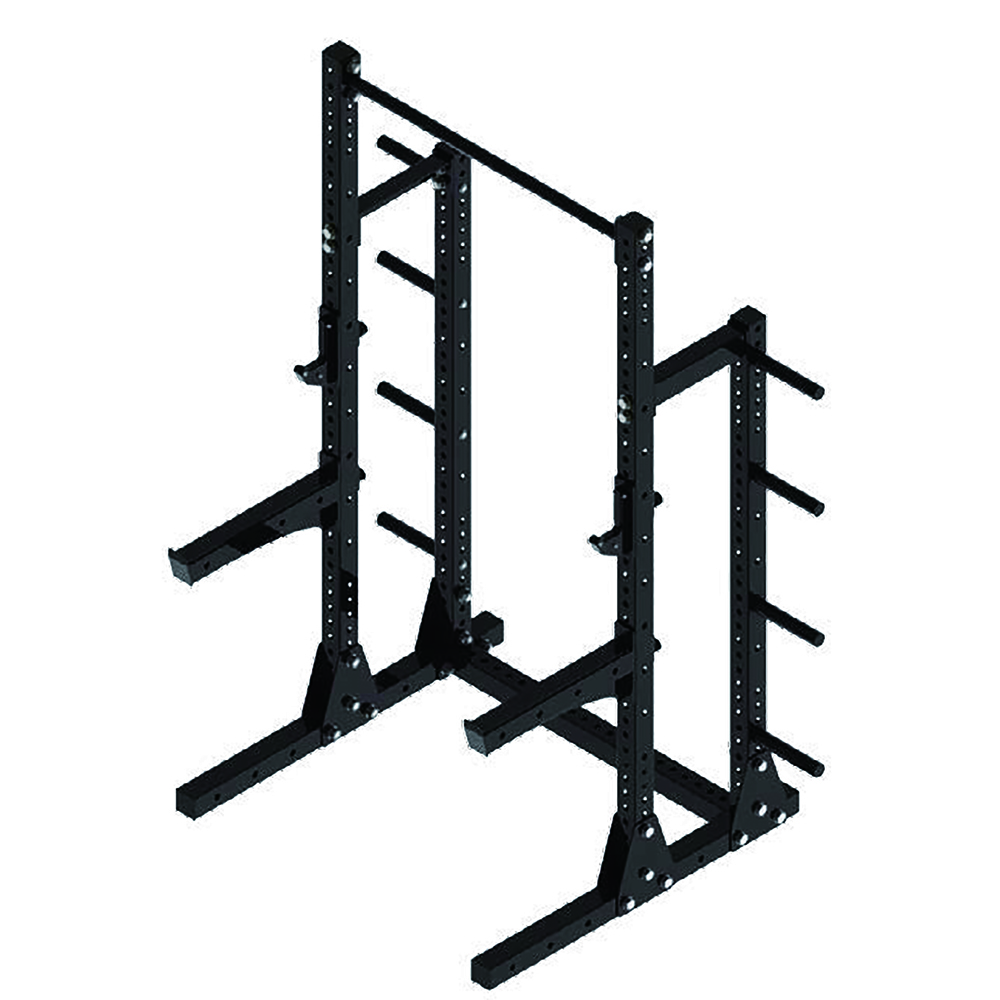
Power racks have become the cornerstone of modern commercial gym operations, fundamentally transforming how fitness facilities organize training programs and maximize member satisfaction. In today's competitive gym market, facility managers and owners recognize that investing in quality power racks directly impacts member retention, training outcomes, and overall facility profitability. Whether your gym serves casual fitness enthusiasts or serious strength athletes, understanding how power racks improve training efficiency is essential for staying competitive and delivering exceptional member experiences. This comprehensive guide explores the strategic advantages of power racks in commercial gym settings and demonstrates why they are indispensable for facilities committed to operational excellence.
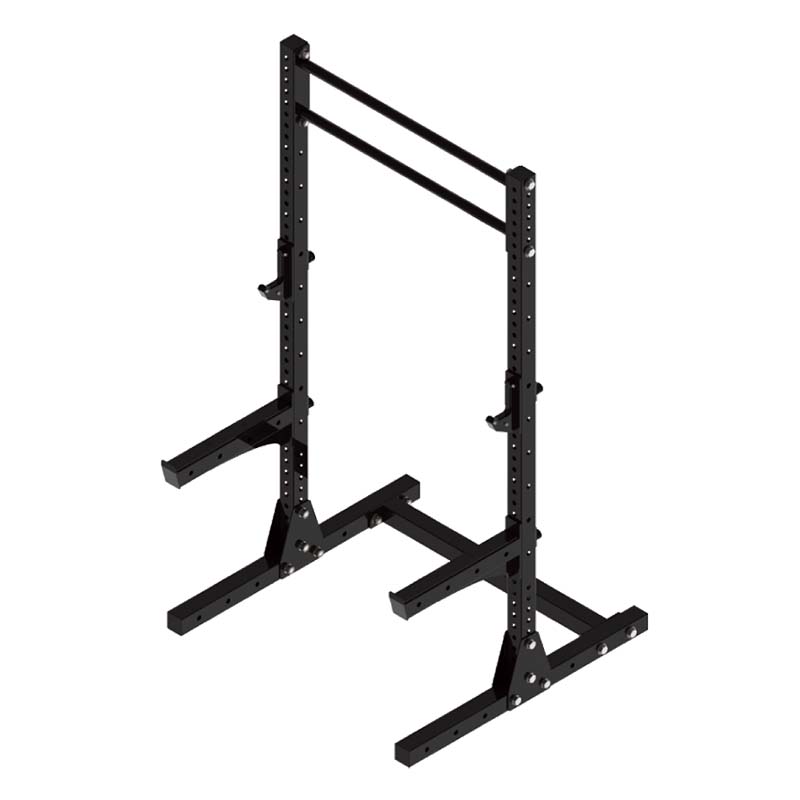
The efficiency gains delivered by power racks extend far beyond individual workout performance. When commercial gyms integrate power racks strategically into their floor layout, they unlock measurable improvements in member throughput, equipment utilization rates, and training program diversity. Power racks enable facilities to accommodate multiple training styles simultaneously, from heavy compound lifting to accessory work, functional training, and rehabilitation exercises. This versatility means that power racks maximize the return on floor space investment while allowing trainers to deliver personalized programming that keeps members engaged and motivated throughout their fitness journey.
How Power Racks Streamline Workout Programming and Member Engagement
Enabling Diverse Training Methodologies Within Limited Space
Commercial gyms operate under constant pressure to maximize space efficiency while meeting diverse member preferences. Power racks solve this challenge by consolidating multiple training functions into single equipment units. A properly equipped power rack system allows members to perform compound lifts, assistance exercises, cardiovascular conditioning, and mobility work without requiring separate machines or equipment stations. This consolidation directly improves training efficiency by reducing transition time between exercises, minimizing congestion during peak hours, and allowing trainers to structure more comprehensive workouts within fixed time slots. Members appreciate the convenience, and facility managers benefit from improved space utilization metrics that justify equipment investments.
Supporting Progressive Training Progression and Skill Development
Power racks provide the structural foundation that enables progressive training advancement across all skill levels. Beginners learn foundational movement patterns safely within adjustable pin positions, intermediate members develop strength through varied loading protocols, and advanced lifters perform specialized training techniques that demand precision and safety features. This progressive capacity means commercial gyms can retain members throughout their fitness journey rather than experiencing turnover when members outgrow beginner-focused equipment. Power racks accomplish this by offering adjustable height settings, multiple loading configurations, and safety bars that accommodate different exercises and training phases. The result is improved member retention and higher lifetime value per member, directly strengthening gym financial performance.
Optimizing Safety, Equipment Durability, and Maintenance Efficiency
Reducing Injury Risk and Liability Through Built-In Safety Features
Commercial gym operators face significant liability exposure when members experience training injuries. Quality power racks dramatically reduce this risk through engineered safety features including adjustable safety bars, pin systems that catch loaded barbells, and frame designs that prevent catastrophic equipment failure. These safety mechanisms protect members during heavy lifting attempts while simultaneously reducing facility liability insurance premiums and legal exposure. Power racks equipped with robust safety features demonstrate to members that the facility prioritizes their wellbeing, which builds trust and encourages members to attempt challenging exercises confidently. This psychological benefit translates to higher member satisfaction scores and reduced accident-related complaints that can damage facility reputation and revenue.
Lowering Long-Term Maintenance Costs Through Durable Design
Heavy-duty power racks built for commercial environments are engineered to withstand continuous daily use without degradation or safety compromises. Unlike consumer-grade equipment that deteriorates rapidly under commercial usage patterns, commercial-grade power racks distribute loads effectively across structural frames, which prevents localized stress concentrations that cause failure. This durability advantage means commercial gyms experience fewer equipment breakdowns, reduced downtime during maintenance cycles, and lower replacement costs compared to facilities using lower-quality alternatives. Power racks also standardize maintenance requirements across the facility, allowing maintenance staff to develop efficient service routines that minimize disruption to member training schedules. The cumulative cost savings from improved durability and predictable maintenance patterns often exceed initial equipment investment within 3–4 years of operation.
Enhancing Trainer Capabilities and Member Supervision Efficiency
Facilitating Effective Personal Training Delivery and Program Customization
Personal trainers represent a major revenue stream for commercial gyms, and their effectiveness directly depends on access to appropriate training equipment. Power racks enable trainers to deliver sophisticated programming that wouldn't be possible with limited equipment variety. A single power rack configuration allows trainers to incorporate strength development, movement quality assessment, exercise variation, and periodized progression within individual training sessions. This programming depth justifies premium trainer pricing, improves client outcomes, and encourages member investment in ongoing training relationships. Power racks also reduce trainer preparation time between sessions because equipment adjustments happen quickly, allowing trainers to manage higher client volumes without sacrificing training quality. The result is improved trainer productivity and increased training revenue per facility square foot.
Improving Group Class Efficiency and Member Supervision Ratios
Group fitness classes generate substantial recurring revenue for commercial gyms when structured efficiently. Power racks support effective group class delivery by providing stable platforms for barbell-based circuit training, functional fitness classes, and strength conditioning programs. The built-in safety features of power racks reduce instructor supervision burden because members can attempt loaded exercises with confidence that equipment will protect them if they miss a lift. This safety assurance allows instructors to manage larger class sizes while maintaining acceptable supervision ratios. Power racks also create visual consistency within group class environments, which helps participants maintain proper form and reduces form correction time that instructors must dedicate. These efficiency gains mean commercial gyms can scale group class programming to accommodate more members without proportionally increasing staff requirements, directly improving operational profitability.
Measuring Training Efficiency Gains and Facility Performance Impact
Tracking Equipment Utilization Rates and Member Engagement Metrics
Data-driven facility managers monitor equipment utilization to identify whether capital investments deliver expected returns. Power racks typically demonstrate utilization rates of 60–75% during peak operating hours in well-managed commercial gyms, substantially higher than single-purpose machines that often achieve 30–40% utilization. This utilization advantage reflects the versatility that power racks deliver, as they accommodate diverse training approaches and member preferences simultaneously. Facility managers can further optimize power racks by scheduling personal training sessions, group classes, and open gym times strategically to maintain consistent usage throughout operating hours. When commercial gyms analyze member feedback and training outcome data, they consistently find that facilities with adequate power racks report higher member satisfaction, lower cancellation rates, and increased add-on service purchases compared to equipment-constrained facilities.
Quantifying Revenue Impact Through Membership Retention and Add-On Service Adoption
Commercial gyms that invest strategically in power racks often experience measurable revenue improvements within 6–12 months following installation. These improvements manifest through multiple revenue channels including improved member retention rates, increased personal training attachment rates, higher group class enrollment, and greater member willingness to upgrade to premium membership tiers. Members recognize that facilities with comprehensive power rack systems offer training capabilities unavailable at competing facilities, which reduces switching incentives and justifies premium pricing. Facility managers can quantify these benefits by comparing retention metrics, training attachment rates, and revenue per member before and after power rack installation. Most commercial gyms report that strategic power rack investments deliver payback periods of 24–36 months through revenue increases and cost reductions combined, with continued profitability improvements extending years beyond initial payback achievement.
FAQ
What specific features distinguish commercial-grade power racks from consumer alternatives?
Commercial-grade power racks incorporate structural reinforcements, higher weight capacities, precision pin systems, adjustable height settings, and durable coating finishes designed to withstand continuous daily usage. These power racks utilize thicker steel gauges, reinforced welds, and engineering tolerances that exceed consumer standards. Power racks in commercial settings also feature interchangeable components, standardized maintenance protocols, and warranties aligned with facility operational expectations. The investment premium for commercial-grade power racks typically ranges from 30–50% higher than consumer alternatives, but durability advantages and reduced maintenance costs justify the premium through extended equipment lifespan and reliability.
How many power racks should a commercial gym facility install to serve typical member populations?
Facility sizing for power racks depends on membership size, peak usage patterns, and programming philosophy. Industry standards suggest approximately one power rack per 40–60 active members, with adjustments based on facility specialization and training focus. Commercial gyms serving serious strength athletes may deploy one power rack per 25–30 members, while general fitness facilities might operate effectively with one per 70–100 members. Power racks should be distributed across facility zones to accommodate diverse training areas and reduce congestion during peak hours. Facility managers can optimize power rack quantity by monitoring utilization metrics and member feedback, then adjusting inventory based on observed demand patterns and revenue performance.
Can power racks support facility transition toward boutique or specialized training programming?
Power racks provide the foundational equipment infrastructure that enables commercial gyms to develop specialized training programs that differentiate from competitors. Strength and conditioning programs, functional fitness classes, powerlifting coaching, CrossFit-style training, and rehabilitation services all depend on quality power racks to deliver effective programming. This equipment flexibility allows commercial gyms to evolve their business model toward higher-margin specialized services while maintaining core general fitness operations. Facility operators recognize that power racks represent strategic investments that support business diversification and create competitive positioning advantages that attract motivated members willing to pay premium pricing for specialized services and coaching.