 EN

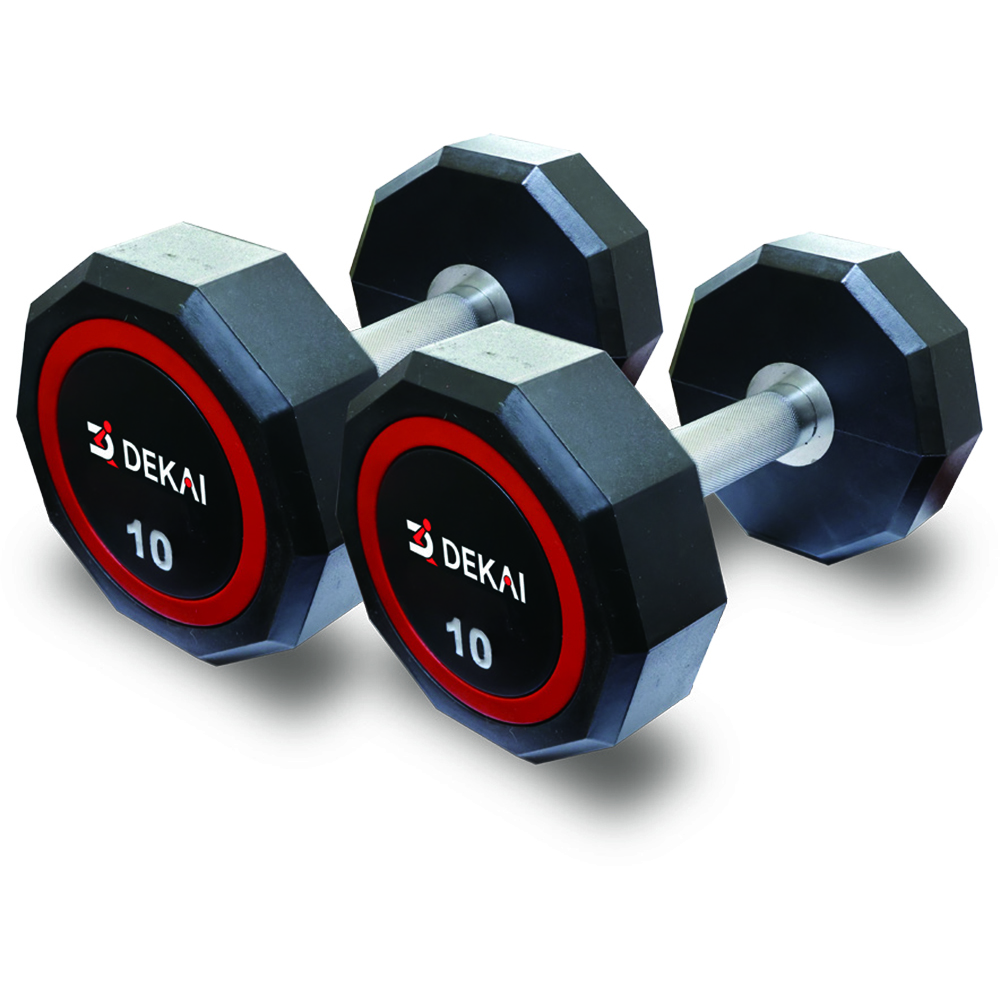
Gym dumbbells have become indispensable tools in modern functional training areas, fundamentally transforming how athletes and fitness enthusiasts approach strength development and movement quality. The widespread adoption of gym dumbbells across training facilities reflects a deep understanding of their unique capacity to enhance performance while accommodating diverse fitness levels. Unlike fixed machines that restrict movement patterns, gym dumbbells enable trainers and clients to work through natural ranges of motion, making them uniquely suited to functional training environments where movement efficiency and real-world applicability are paramount. This shift toward gym dumbbells represents more than a trend—it reflects a genuine evolution in how fitness professionals design effective, sustainable training programs.
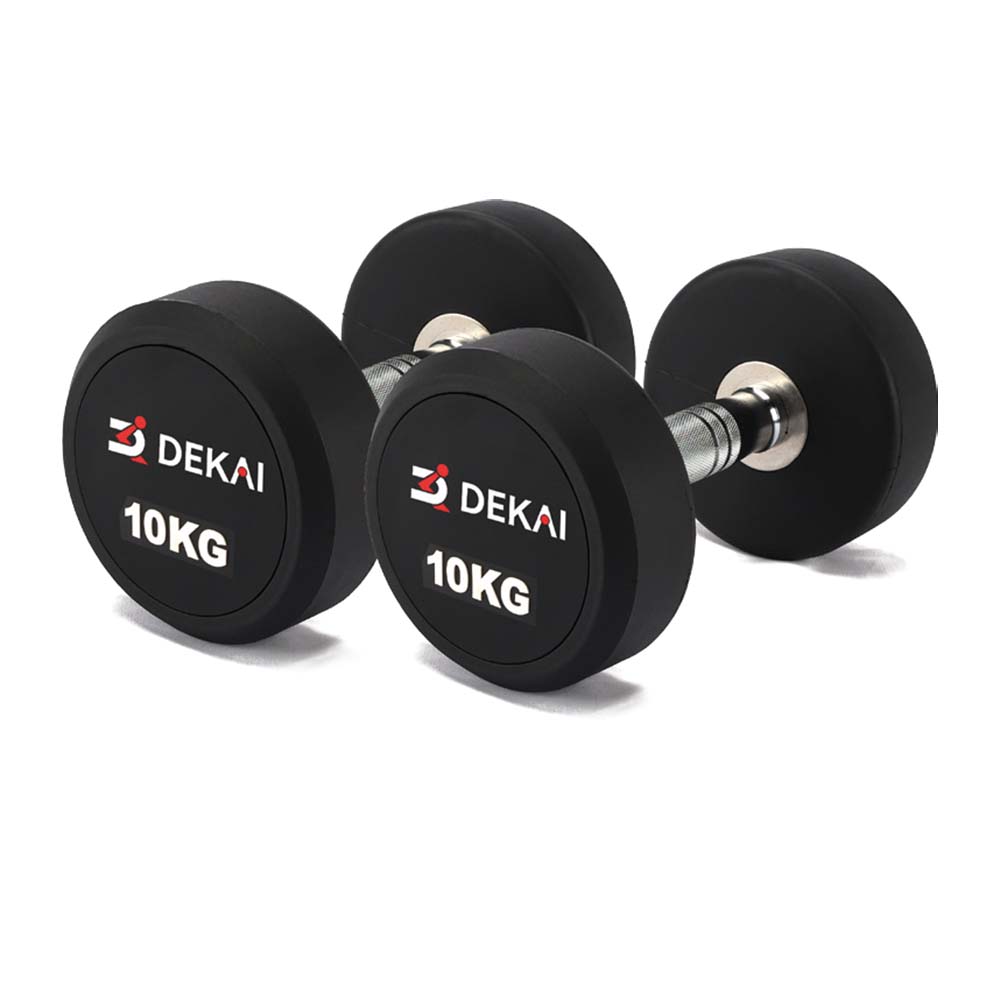
Functional training prioritizes movement patterns and strength applications that translate directly to daily activities and athletic performance. Gym dumbbells serve this philosophy perfectly because they demand stabilization from multiple muscle groups simultaneously, creating neural adaptations that improve coordination, balance, and core strength. When individuals train with gym dumbbells in functional settings, they develop movement competency that extends far beyond isolated muscle work, preparing their bodies for real-world demands and reducing injury risk during everyday tasks.
Natural Movement Patterns and Stability Development
How Gym Dumbbells Challenge Stabilizer Muscles
Gym dumbbells inherently create instability that forces the nervous system to recruit stabilizer muscles throughout every exercise. Unlike fixed barbells or machines that follow predetermined paths, gym dumbbells require each side of the body to work independently, exposing strength imbalances and asymmetries that functional trainers specifically seek to address. This independent loading is why gym dumbbells have become central to functional training—they force the body to maintain balance and alignment rather than allowing compensation patterns that machines often facilitate. Each repetition with gym dumbbells reinforces motor control and spatial awareness, building the neuromuscular foundation essential for functional capacity.
Mimicking Real-World Movement Scenarios
Functional training succeeds because it replicates actual movement demands, and gym dumbbells excel at this replication. Whether performing asymmetrical carries, rotational movements, or offset pressing patterns, gym dumbbells allow trainers to program movements that closely mirror occupational demands, sporting applications, or daily life challenges. This relevance makes gym dumbbells particularly valuable in functional areas where the training objective extends beyond appearance or isolated strength—the goal is building capability that translates directly to improved function, resilience, and movement quality in real contexts.
Versatility and Progressive Loading in Functional Training
Adaptability Across Experience Levels and Goals
One reason gym dumbbells are so widely used in functional training areas is their remarkable flexibility across different populations and training stages. Beginners can develop foundational movement patterns with lighter gym dumbbells while receiving immediate feedback about alignment and control. Advanced athletes and military personnel use heavy gym dumbbells to build power, explosive strength, and resilience under demanding conditions. This versatility means a single set of gym dumbbells can serve a broad spectrum of training objectives, making them economically efficient and practically essential for facilities serving diverse clientele. Progressive loading with gym dumbbells naturally supports periodized training protocols where athletes systematically advance strength and capacity.
Integration with Multiplanar Training Approaches
Functional training explicitly demands movement through multiple planes—sagittal, frontal, and transverse—and gym dumbbells are uniquely suited to this requirement. Rotational presses, lateral lunges with overhead holds, and Pallof press variations using gym dumbbells directly challenge stability and strength in planes where many people experience weakness and vulnerability. This multiplanar approach with gym dumbbells builds well-rounded resilience, whereas traditional fixed equipment often isolates single planes of motion. The functional training philosophy recognizes that real human movement occurs across all planes simultaneously, and gym dumbbells provide the tool set necessary to train this holistic capability.
Cost Efficiency and Space Optimization for Functional Areas
Maximizing Training Impact Within Facility Constraints
Functional training areas often operate with space limitations, and gym dumbbells represent an exceptionally efficient use of available real estate. Unlike large, specialized machines that serve single functions, gym dumbbells deliver multiple training stimuli in minimal floor space. A single rack of gym dumbbells can enable hundreds of distinct exercises and movement variations, providing far greater programming flexibility than equivalent square footage of fixed equipment. This density of functionality makes gym dumbbells the centerpiece of smart facility design, particularly for commercial gyms and training centers where space premium drives equipment selection and layout decisions.
Durability and Long-Term Investment Value
Quality gym dumbbells deliver exceptional return on investment because they withstand decades of regular use without performance degradation or maintenance complexity. Unlike machines requiring hydraulic fluid changes, cable replacements, or electronic repairs, gym dumbbells maintain consistent function indefinitely with basic care. This durability advantage makes gym dumbbells economically sensible for facilities committed to long-term functional training programming. Facilities investing in commercial-grade gym dumbbells build training infrastructure that continues serving diverse athlete populations for generations, justifying the initial capital expenditure through years of reliable, maintenance-light operation.
Neurological Benefits and Movement Quality Enhancement
Proprioceptive Development Through Unstable Loading
Gym dumbbells create proprioceptive challenges that directly enhance movement quality and injury resilience by requiring constant micro-adjustments throughout exercises. This proprioceptive stimulation trains the nervous system to detect and correct movement deviations in real time, building sensorimotor capability that protects against dysfunction and injury. When individuals regularly train with gym dumbbells in functional settings, their proprioceptive systems develop enhanced sensitivity to balance, alignment, and spatial position—adaptations that transfer directly to improved performance during daily activities and sports. This neurological enhancement explains why gym dumbbells produce functional gains that often exceed results from isolated machine training despite identical volume loads.
Core Activation and Stability Patterns
Functional training areas emphasize core stability because a strong, responsive core enhances every human movement, and gym dumbbells create exceptional core demands throughout training sessions. Unilateral exercises with gym dumbbells—single-arm presses, offset carries, and rotational movements—require the core to generate stability against asymmetrical load, building the anti-rotation and anti-extension strength that protects the spine and improves athletic performance. Traditional core training often isolates abdominal muscles, whereas gym dumbbell training develops functional core capability through compound movements that feel more relevant and transferable to real-world demands. This integration of core work within compound movements makes gym dumbbells particularly valuable in functional training programming where efficiency and movement quality are paramount.
FAQ
Why are gym dumbbells better than machines for functional training?
Gym dumbbells demand independent stabilization from both limbs and multiple muscle groups simultaneously, whereas machines follow fixed paths that reduce stabilizer recruitment. This independent loading with gym dumbbells builds movement quality, uncovers strength asymmetries, and trains real-world stability patterns that machines cannot replicate. Additionally, gym dumbbells enable multiplanar movements and asymmetrical loading patterns essential to functional training, making them superior tools for building capability that transfers to daily activities and athletic performance.
How do gym dumbbells support progressive strength development?
Gym dumbbells support progression through load adjustment, rep ranges, density manipulation, and increased complexity of movement patterns. Beginners progress by mastering movement quality with lighter gym dumbbells before advancing load, while experienced athletes manipulate density, tempo, and asymmetrical loading strategies to continue driving adaptation. The versatility of gym dumbbells accommodates periodized training protocols where athletes systematically advance strength, power, and resilience through structured phases, supporting sustainable long-term development without plateauing.
What makes gym dumbbells cost-effective for training facilities?
Gym dumbbells require minimal space relative to training benefit, demand virtually no maintenance, and last indefinitely when properly constructed from quality materials. A single rack of gym dumbbells enables hundreds of exercise variations serving diverse populations and goals, providing far greater programming flexibility than equivalent space of specialized machines. Unlike equipment requiring repairs, replacements, or technical support, gym dumbbells provide reliable training tools indefinitely, making them economically sensible long-term investments for facilities committed to functional training principles.