 EN

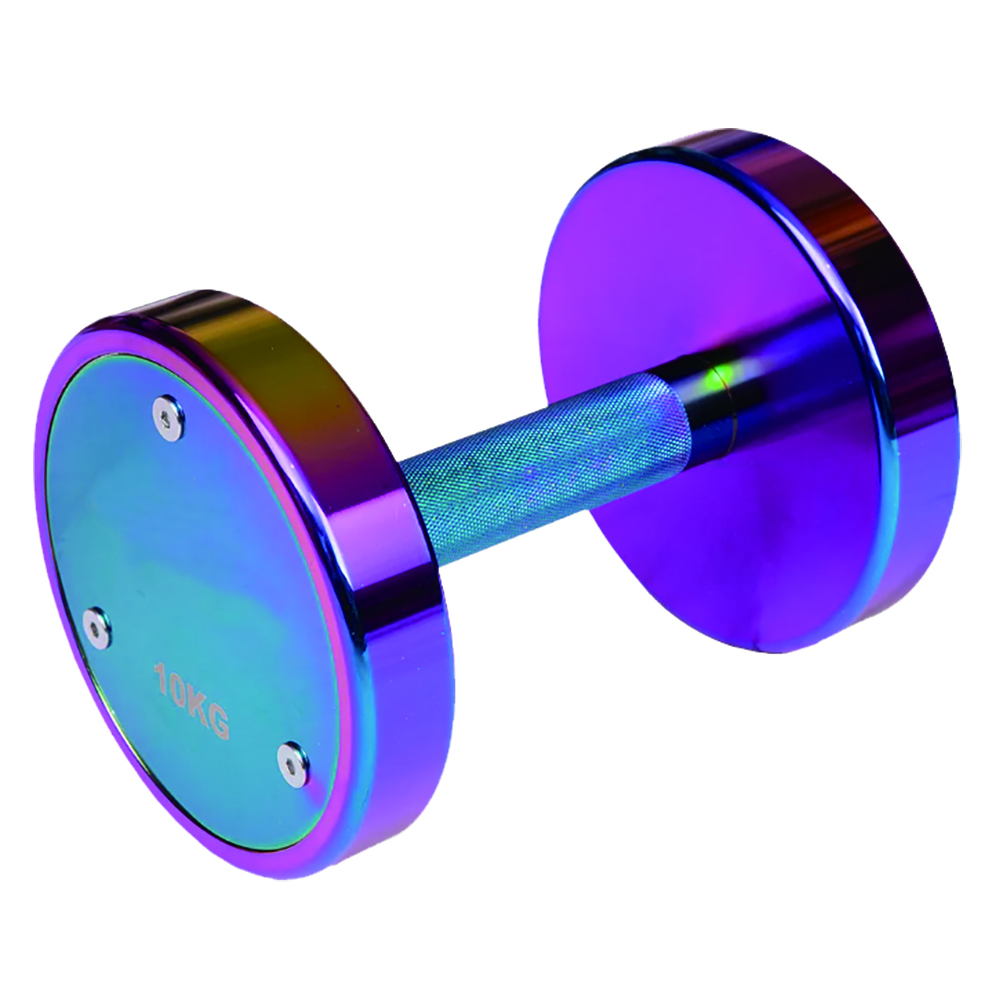
Gym dumbbells remain one of the most versatile tools in strength training because they fundamentally support flexible training programming in ways fixed equipment cannot match. Whether you're designing a workout for a beginner, an advanced lifter, or someone returning from injury, gym dumbbells adapt to your needs rather than forcing you into a predetermined movement pattern. This adaptability makes gym dumbbells the backbone of progressive training systems that evolve with athlete development, changing goals, and recovery demands.
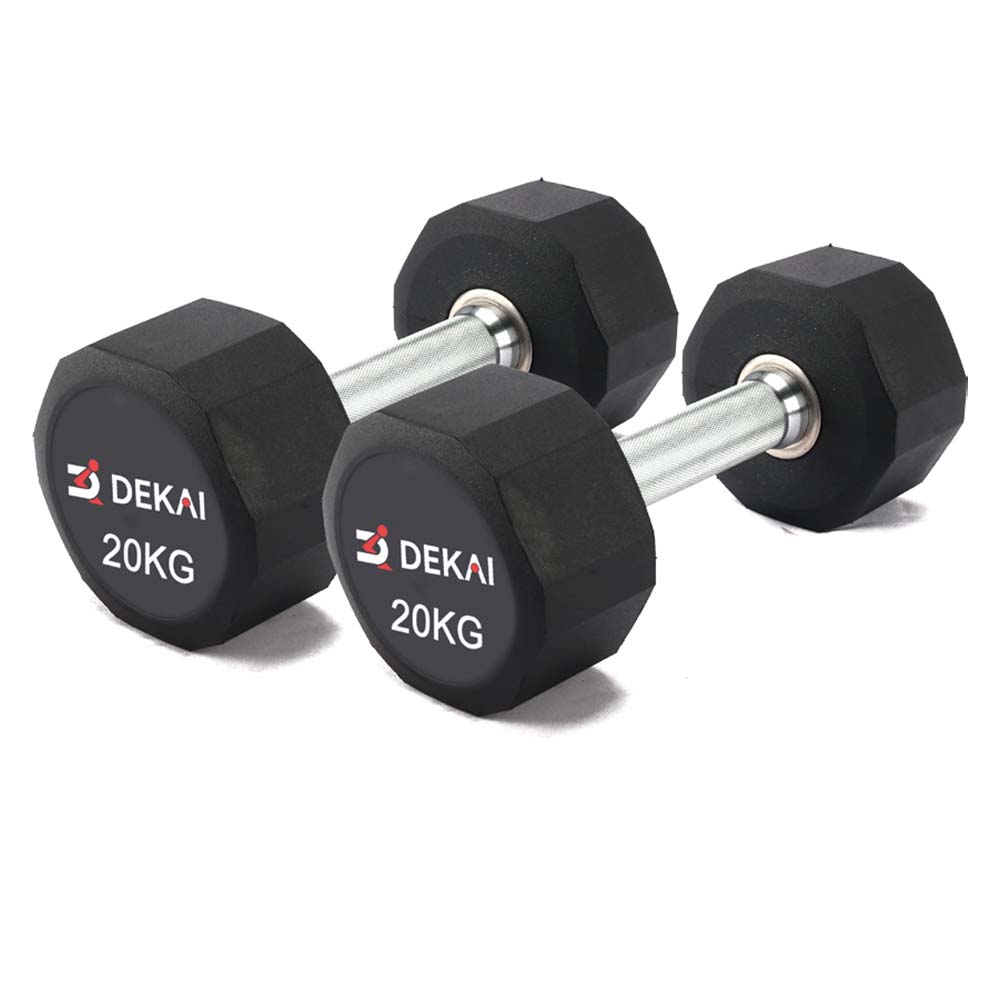
Gym dumbbells empower trainers and athletes to customize intensity, volume, and movement variation on the fly. Unlike machines that lock you into a single plane of motion, gym dumbbells invite natural movement patterns while maintaining stability challenges that engage stabilizer muscles. This combination of freedom and challenge makes gym dumbbells exceptionally valuable for building functional strength while managing fatigue and injury risk across different training phases.
Movement Variation and Exercise Customization
Adapting Exercise Selection to Training Goals
Gym dumbbells excel at supporting flexible training programming because they allow you to perform dozens of variations from a single exercise foundation. A chest press with gym dumbbells can be performed from a flat bench, an incline, a decline, or even standing, each stimulus creating different neuromuscular demands. This flexibility with gym dumbbells means you never need to abandon core movement patterns due to equipment limitations. Instead, you adjust the angle, the tempo, the unilateral demand, or the range of motion to match your current training phase and recovery capacity.
When programming with gym dumbbells, you can also shift between bilateral and unilateral work within the same session. Switching from a bilateral dumbbell bench press to single-arm variations with your gym dumbbells introduces asymmetrical loading that challenges core stability and corrects imbalances. This capability makes gym dumbbells far more responsive to individual athlete needs than machines offering only one fixed movement path. The precision that gym dumbbells provide in exercise selection directly translates to training program flexibility and improved outcomes across different athlete profiles.
Programming Progressions Without New Equipment
Flexible training programming with gym dumbbells doesn't require purchasing new equipment each time an athlete advances. Instead, you modify how gym dumbbells are deployed across your training week. Increasing tempo complexity, extending time under tension, adding pauses, or incorporating pause-reps all allow gym dumbbells to remain challenging without upward weight jumps. These advanced variations mean that your gym dumbbells continue supporting progressive overload long after weight increments alone stop being practical.
Additionally, gym dumbbells support flexible periodization because they accommodate different rep ranges, rest periods, and intensity structures simultaneously. One training cycle might emphasize 6–8 rep strength blocks with your gym dumbbells, while the next cycle shifts to 12–15 rep hypertrophy work or 20+ rep metabolic conditioning. This adaptability of gym dumbbells to different periodization models means your training program never becomes stale, and your nervous system faces constantly evolving demands that drive long-term progress.
Scaling Intensity and Managing Fatigue
Precise Load Adjustment Across Training Phases
Gym dumbbells support flexible training programming by allowing precise load scaling that matches your training phase and fatigue status. Unlike barbell programming, which often forces you to either load 45-pound jumps or deload significantly, gym dumbbells offer granular weight options. Your gym dumbbells might include 5-pound, 10-pound, or even smaller increments that let you stay in optimal rep ranges without overshooting intensity. This precision means your training stays responsive to real-time performance and recovery signals rather than locked into predetermined weight targets.
The flexibility that gym dumbbells provide in load selection becomes especially valuable during deload weeks or when managing accumulated fatigue. Rather than stopping training entirely, you reduce the weight on your gym dumbbells by just 10–15 percent, maintaining movement quality and movement practice while allowing nervous system recovery. This nuanced approach to load management using gym dumbbells supports long-term consistency and injury prevention that rigid programming cannot achieve.
Unilateral Training for Balanced Development
Gym dumbbells uniquely enable unilateral training that barbell training cannot match as easily. With gym dumbbells, you can assess and train each side independently, identifying strength imbalances and addressing them through targeted volume. If one arm or one leg shows reduced performance, your training program with gym dumbbells responds immediately by adjusting rep targets or range of motion for that limb. This responsive adaptation with gym dumbbells prevents compensatory patterns and keeps your training programming balanced across both sides of your body.
Unilateral work with gym dumbbells also introduces rotational control and anti-rotation demands that strengthen your core and improve stability. A single-arm row with gym dumbbells forces greater core engagement than a bilateral movement because your trunk must resist rotational forces. This deeper recruitment pattern makes gym dumbbells particularly effective for functional strength and athletic training, where balanced unilateral capability often matters more than symmetrical bilateral maxima. The flexibility that gym dumbbells offer in exploring these movement dimensions means your training programming develops strength that transfers to real-world athletic demands.
Time Efficiency and Programming Density
Rapid Transitions and Complex Training Styles
Gym dumbbells support flexible training programming by enabling rapid transitions between exercises, rep ranges, and intensity levels within a single session. Because gym dumbbells require minimal setup compared to barbell changes, you can perform supersets, trisets, or circuit-style work with minimal downtime. This efficiency means your training program can pack substantial volume into time-limited sessions without sacrificing intensity or technique quality. The speed at which gym dumbbells allow you to shift between exercises makes them ideal for busy professionals who need flexible training programming that respects limited gym access.
Advanced training methods like drop sets, rest-pause sets, and myo-reps all benefit from the speed and simplicity that gym dumbbells provide. Once you reach failure or targeted fatigue with your gym dumbbells, you immediately reduce weight and continue, without waiting for equipment changes or assistance. This seamless progression within a single exercise means your training programming can achieve metabolic stress and mechanical tension simultaneously, driving both hypertrophy and strength in compact training windows.
Accommodation for Group Training Environments
Gym dumbbells excel at supporting flexible training programming in group training settings where equipment sharing and space constraints are real concerns. Unlike barbell systems that require racking, changing plates, and long wait times, gym dumbbells allow multiple athletes to train simultaneously with minimal conflict. Your training program with gym dumbbells can assign different load targets to different athletes, all working from a shared dumbbell rack. This accessibility means flexible training programming that accommodates different strength levels without creating bottlenecks or workout delays.
The practical reality of gym dumbbells is that they make training programming scalable across entire groups or communities. A coach can design one flexible training protocol that scales across beginners and advanced lifters simply by adjusting gym dumbbell loads, without redesigning entire exercises or movement patterns. This scalability of gym dumbbells is unique and makes them invaluable for any training environment where diverse populations train together under limited equipment and space.
FAQ
Can gym dumbbells alone build significant strength and muscle?
Yes, gym dumbbells can absolutely build significant strength and muscle when training is structured intelligently. Strength development depends on progressive overload and consistent effort rather than on a specific tool. Gym dumbbells support progressive overload through load increases, rep increases, volume increases, and advanced tempo variations. Many elite athletes and physique competitors have built exceptional strength and size using primarily gym dumbbells, demonstrating that flexible training programming with gym dumbbells is entirely sufficient for advanced results. The key is consistency, progressive challenge, and adherence to structured programming principles.
How do gym dumbbells compare to barbells for programming flexibility?
Gym dumbbells offer superior flexibility in several dimensions that barbells cannot match. Gym dumbbells enable unilateral training, faster exercise transitions, load adjustments in smaller increments, and accommodation for individual ranges of motion without technique breaks. Barbells excel at allowing heavier absolute loads and symmetric loading patterns. The best flexible training programming often combines both tools, using gym dumbbells for movement variation and unilateral work while leveraging barbells for maximum strength development. Neither tool is objectively superior; they serve different programming needs.
What weight range of gym dumbbells should I invest in for flexible training?
Optimal gym dumbbells weight selection depends on your training experience, strength level, and available budget. Beginners typically benefit from gym dumbbells ranging from 5 pounds to 35 pounds for most upper body work. Intermediate and advanced athletes need wider ranges, potentially 15 pounds to 100+ pounds depending on exercises. For flexible training programming, selecting gym dumbbells that allow rep ranges from 6 to 30 reps across different exercises ensures you never outgrow your equipment. Consider purchasing adjustable gym dumbbells if space and budget are limited, as they provide comparable flexibility within a compact footprint.