 EN

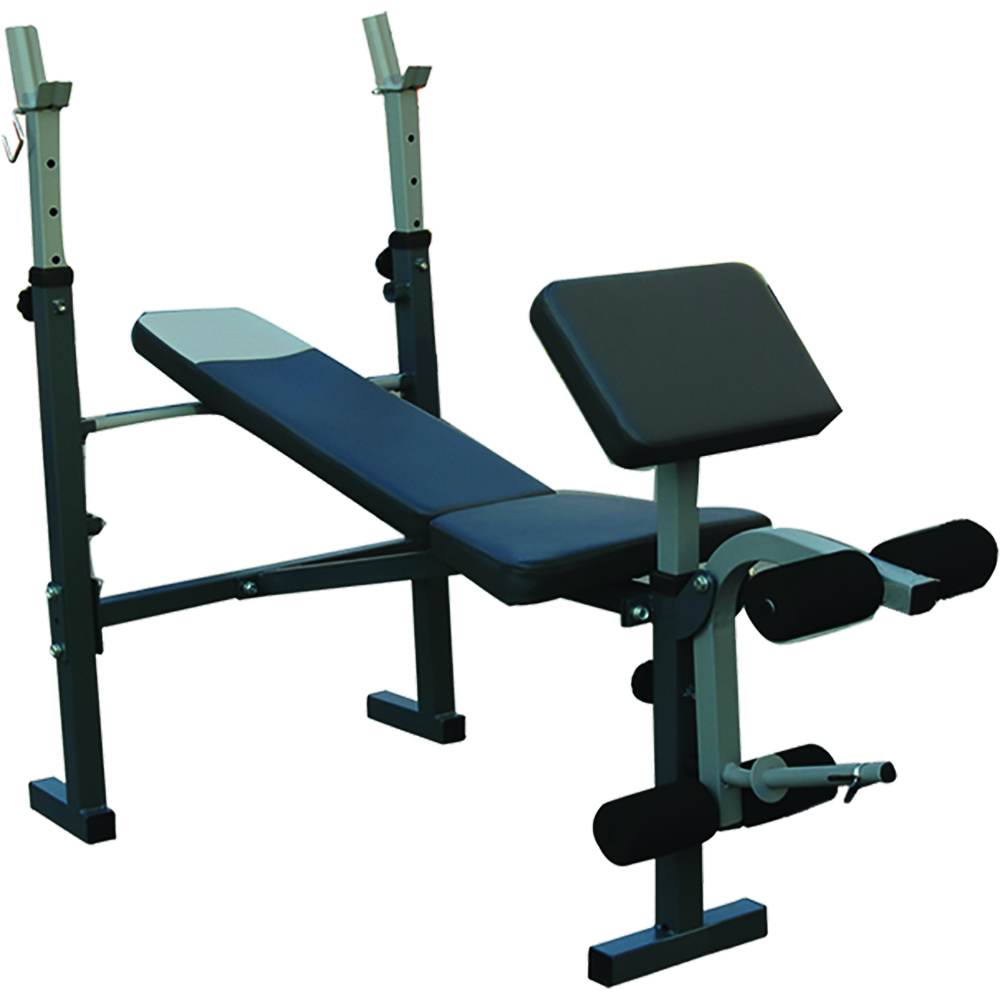
Weight benches represent one of the most transformative investments in any training facility, whether commercial or personal. These foundational pieces of fitness equipment significantly expand the range of movements athletes and fitness enthusiasts can perform, making them essential for maximizing training versatility. Weight benches enable practitioners to execute hundreds of distinct exercises across multiple muscle groups, movement patterns, and intensity levels, all from a single, space-efficient platform. Understanding how weight benches improve training versatility requires examining their structural design, exercise application, and integration into comprehensive training programs.
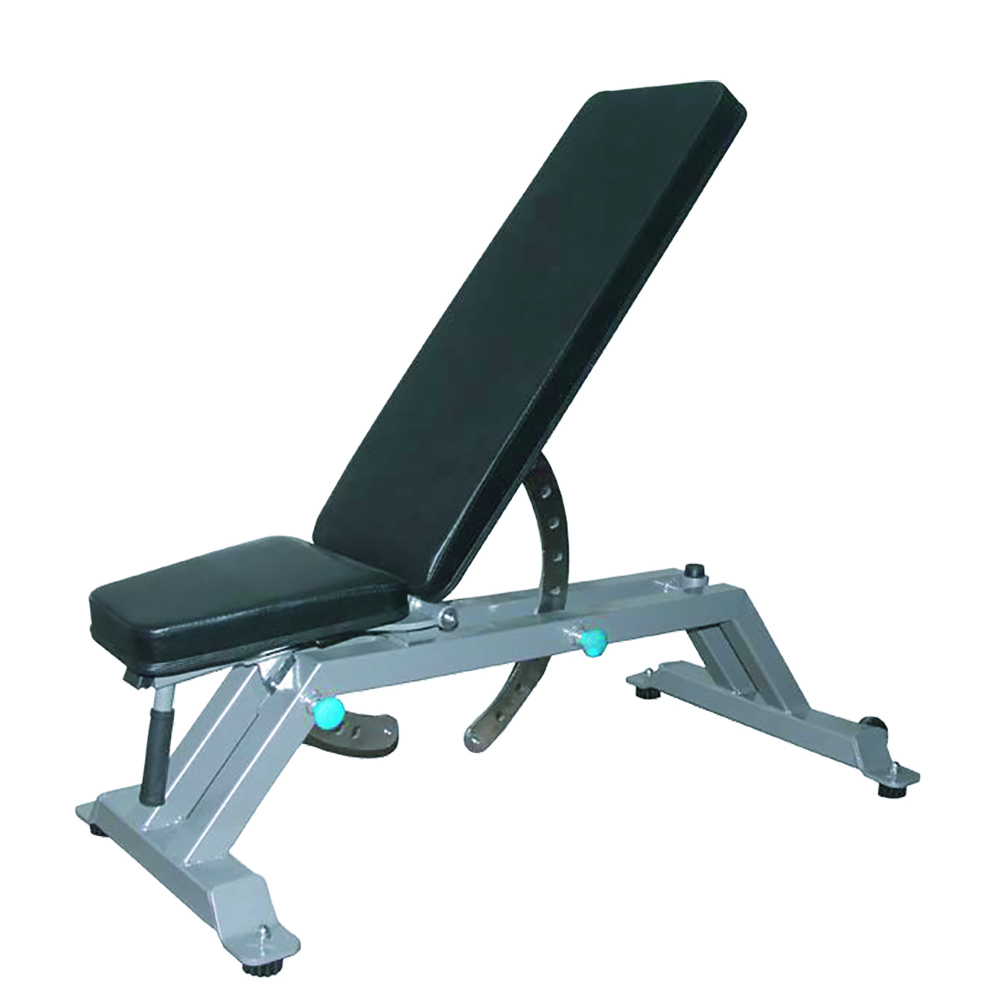
The versatility that weight benches provide stems from their adjustability and structural stability. Unlike fixed training surfaces, quality weight benches accommodate multiple angle adjustments, enabling users to target specific muscle fibers, modify lever mechanics, and progressively overload movement patterns. This adaptability translates directly into expanded programming capacity and improved training outcomes across diverse fitness goals and athletic disciplines.
The Core Mechanics of Weight Benches and Movement Variety
Adjustable Positioning and Exercise Range
Weight benches serve as platforms for dramatically expanding exercise selection within training programs. The angle adjustment capabilities inherent in most modern weight benches—including flat, incline, decline, and seated positions—allow practitioners to emphasize different portions of target muscles and recruit varied stabilizer muscle groups. A single weight bench positioned flat enables standard dumbbell pressing, while repositioning it to an incline angle recruits upper chest fibers and anterior shoulder muscles more intensively. Decline positioning shifts emphasis toward lower chest development and abdominal engagement during pressing movements.
Beyond pressing variations, weight benches support countless pulling, isolation, and stability exercises. Seated shoulder presses, dumbbell rows, tricep extensions, and single-arm rotational movements all benefit from the support and positioning options weight benches provide. This concentration of exercise possibilities within one equipment piece makes weight benches extraordinarily efficient for facility management and programming strategy. Athletes training in commercial gyms appreciate how weight benches eliminate the need for multiple specialized stations, while personal training environments benefit from the substantial reduction in space and financial requirements.
Stability, Safety, and Progressive Loading
Weight benches provide a stable, supportive platform that enhances training safety and enables progressive loading strategies. The structural support a quality bench offers reduces balancing demands during exercises, allowing practitioners to concentrate neural resources on force production and muscle contraction quality. This safety advantage becomes particularly valuable when training with significant loads or exploring unfamiliar movement patterns. The consistent support weight benches deliver enables athletes to push intensity boundaries more confidently while minimizing injury risk associated with unstable training surfaces.
Progressive loading—the systematic increase of training stimulus over time—becomes more practical and sustainable when weight benches anchor training programs. The ability to incrementally increase weight, adjust positioning, or modify range of motion while maintaining consistent bench support allows athletes to pursue continuous improvement without unnecessary joint stress or form degradation. This scaffolded progression approach, enabled by weight benches, accelerates strength and muscle development while maintaining structural integrity and long-term training sustainability.
Exercise Application Breadth and Training Specificity
Upper Body Development Across Multiple Planes
Weight benches unlock substantial upper body training versatility through their capacity to support movements across multiple planes of motion. Pressing variations in different angles target chest, shoulders, and triceps with strategic emphasis changes. Rowing movements, performed from various seated and supported positions, address back development, scapular stability, and pulling strength. This comprehensive upper body stimulus addresses muscular balance and movement pattern diversity that translates to athletic performance and functional capacity improvement. Weight benches enable integrated training approaches where practitioners progress through complementary pressing and pulling patterns within single training sessions.
Core Stability and Rotational Control
Beyond limb movements, weight benches facilitate core-intensive training that develops rotational control, anti-rotation stability, and integrated trunk strength. Seated rotation exercises, half-kneeling chop variations, and supported single-arm movements performed on weight benches demand significant core engagement while maintaining movement quality. These exercises translate to improved athletic performance, injury prevention, and functional capacity across daily activities and sport-specific demands. Weight benches provide the stability necessary for practitioners to concentrate on core activation without excessive balancing challenges that might distract from target muscle engagement.
Integration Within Comprehensive Training Programs
Customized Programming and Client Adaptation
Weight benches enable trainers and athletes to customize programming for diverse populations and training objectives. Adjustable positioning accommodates varying movement capacities, recovery states, and individual anthropometric differences. Deconditioned clients benefit from the safety and support weight benches provide when beginning strength development, while advanced athletes utilize the same equipment to pursue specialized training goals. This scalability makes weight benches uniquely valuable across fitness facilities serving heterogeneous populations with different experience levels and physical capacities.
The weight benches designed for commercial applications particularly enhance program flexibility through enhanced durability and precision engineering. Commercial-grade benches withstand repeated positioning adjustments, heavy loading, and extended facility hours while maintaining consistent performance and safety standards. This reliability directly supports training program consistency and eliminates equipment-related training disruptions that compromise progress and client satisfaction.
Space Efficiency and Equipment Consolidation
Weight benches dramatically improve training environment efficiency by consolidating functionality that would otherwise require multiple specialized machines. In commercial facilities with space constraints, this consolidation represents significant operational advantage. Personal training studios, home gyms, and boutique fitness environments particularly benefit from the spatial economy weight benches provide while maintaining comprehensive exercise capacity. This efficiency extends facility capacity, reduces capital expenditure on redundant equipment, and improves workout flow by reducing equipment competition and transitions between training stations.
FAQ
What specific exercises can I perform on weight benches that I cannot perform elsewhere?
While many exercises can be performed on floors or machines, weight benches enable specialized variations including incline and decline pressing angles, supported single-arm movements, seated shoulder exercises, and isolated chest work with superior form control. The adjustability of weight benches allows angle-specific muscle emphasis and stabilization that free-standing or floor-based alternatives cannot replicate, making them uniquely valuable for comprehensive program design.
How do weight benches compare to machines for training versatility?
Weight benches offer substantially greater exercise versatility than machines because they support numerous movement patterns and accommodate varying body sizes through adjustable positioning rather than fixed mechanical paths. While machines excel at safety and progressive loading for specific movements, weight benches combine safety advantages with the exercise diversity that machines typically limit. Weight benches represent an optimal middle ground between free-weight versatility and machine-based safety.
Can weight benches accommodate different fitness levels and training goals?
Weight benches scale exceptionally well across fitness levels and objectives through adjustable positioning, load variation, and exercise selection flexibility. Beginners benefit from stability and support, while advanced athletes leverage positional variety and loading progression capacity. Whether training for strength, hypertrophy, muscular endurance, or functional capacity, weight benches provide appropriate training platforms that adapt to evolving objectives and physical capabilities.