 EN
EN

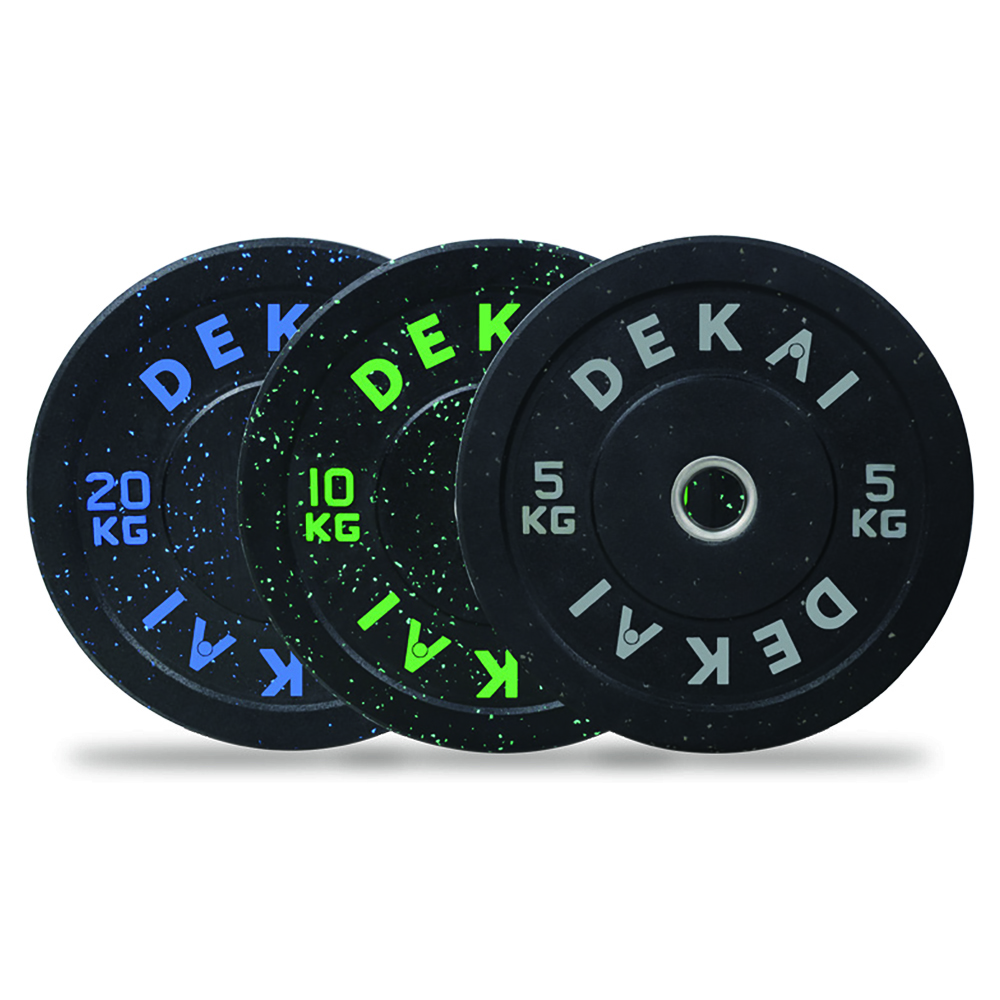
Functional training has revolutionized how athletes, fitness enthusiasts, and rehabilitation professionals approach strength development. At the core of this training methodology lies a fundamental tool: weight plates. These simple yet powerful implements have become indispensable in modern functional training programs because they directly support the movement patterns and strength demands that define real-world physical performance. Unlike isolation machines that restrict motion to predetermined paths, weight plates enable dynamic, multi-planar exercises that engage stabilizer muscles and develop practical strength. Understanding why weight plates are essential to functional training reveals important insights into exercise science, program design, and athletic development.
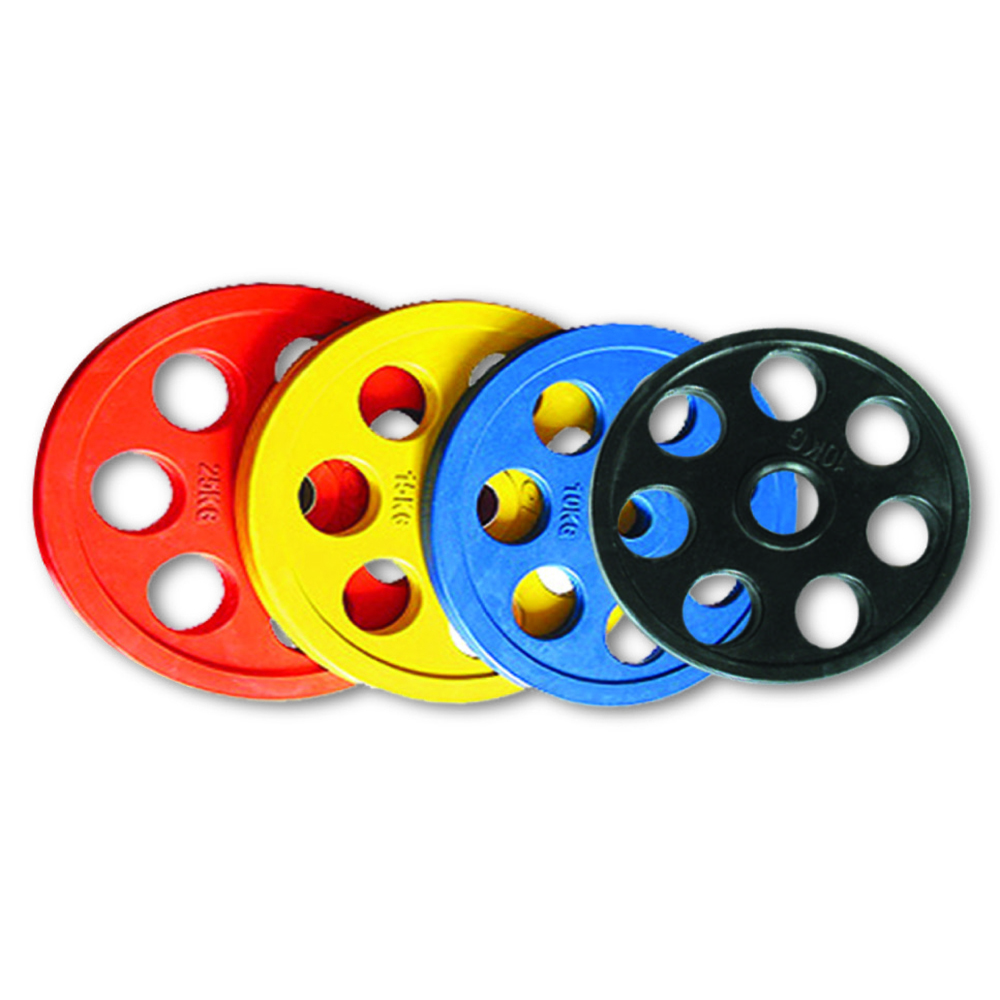
Functional training programs prioritize exercises that replicate natural human movement: lifting, pushing, pulling, rotating, and stabilizing. Weight plates serve as the primary load component that makes these compound movements possible. Whether loaded onto barbells, dumbbells, or specialized equipment, weight plates provide progressive resistance that challenges muscles through complete ranges of motion. This progressive loading capability distinguishes weight plates as foundational equipment in any serious functional training environment. Their versatility, durability, and cost-effectiveness make them the standard choice across commercial gyms, functional fitness facilities, and specialized training centers worldwide.
How Weight Plates Support Dynamic Movement Patterns
Enabling Multi-Planar Exercise Execution
Functional training emphasizes movements that occur in multiple planes: sagittal, frontal, and transverse. Weight plates attached to barbells, dumbbells, and medicine balls enable athletes to perform these complex movement patterns with appropriate resistance. Deadlifts, cleans, snatches, and kettlebell swings all depend on weight plates to provide the load necessary for neural adaptation and muscle development. Unlike cable machines that constrain movement to specific paths, weight plates allow for natural movement variations that build stabilizer strength and proprioceptive awareness. This unrestricted movement environment created by weight plates translates directly into improved athletic performance and injury resilience in real-world situations.
Building Stabilizer Muscle Activation
When athletes lift weight plates in open-chain movements, secondary muscle groups must engage to stabilize the load and control movement trajectory. Functional training programs leverage this stabilizer activation as a core training principle. Free-weight exercises loaded with weight plates demand greater neuromuscular coordination than fixed machines because the lifter must control balance and trajectory throughout the movement. Core muscles, rotator cuff muscles, and smaller synergistic muscles all participate when moving weight plates through space. This comprehensive muscle recruitment pattern builds functional strength that transfers to athletic activities, occupational demands, and injury prevention in daily life.
Progressive Resistance and Strength Development
Implementing Graduated Loading Protocols
Effective strength development requires systematic progression of resistance over time. Weight plates provide the granular control needed for precise progressive overload in functional training programs. Athletes can increase resistance by small increments—often just five or ten pounds per week—allowing steady strength gains without excessive joint stress. This graduated loading approach using weight plates prevents plateaus, maintains motivation, and minimizes overuse injury risk. Functional training coaches appreciate the flexibility that weight plates provide for customizing resistance across diverse athlete populations and experience levels. The ability to adjust weight plates quickly between sets also maximizes training efficiency and workout density.
Accommodating Variable Athlete Populations
Functional training facilities serve diverse populations: competitive athletes, general fitness clients, injured individuals in rehabilitation, and older adults. Weight plates accommodate this population diversity through infinite resistance adjustments. A beginner can start with minimal weight plates on a barbell to master movement patterns, while advanced athletes can load substantial weight plates for maximal strength development. This accessibility across experience levels and physical capabilities makes weight plates the preferred tool in inclusive functional training environments. Many functional training programs combine lighter weight plates with technique focus for novices and heavier weight plates with explosive movement for elite athletes, all within the same facility using identical equipment.
Practical Equipment Considerations in Program Design
Durability and Safety Standards
Quality weight plates built to commercial standards provide safety and longevity that functional training facilities require. Urethane-coated and bumper-style weight plates resist impact damage and maintain consistent performance through thousands of training sessions. Properly calibrated weight plates ensure that resistance progression follows planned programs without equipment-related variability. Safety edges and standardized sizing on quality weight plates reduce the risk of equipment-related injuries during dynamic functional movements. Functional training program directors prioritize durable weight plates because equipment reliability directly affects training consistency and athlete safety in high-intensity functional environments.
Space Efficiency and Equipment Integration
Functional training spaces often operate under spatial constraints, making efficient equipment storage and utilization essential. Weight plates solve this space challenge by serving multiple equipment configurations: they work on barbells, dumbbells, medicine balls, cable systems, and specialized functional training machines. One set of weight plates enables numerous exercise variations, eliminating the need for dedicated single-purpose machines. This versatility maximizes facility functionality and workout programming flexibility. Facilities designed around weight plates as core load-bearing elements can serve more athletes with greater exercise variety in smaller physical spaces, making weight plates economically efficient investments for functional training programs.
FAQ
Why are weight plates better than cable machines for functional training?
Weight plates on free weights allow unrestricted, multi-planar movement that engages stabilizer muscles and builds practical strength. Cable machines constrain movement to fixed paths and provide predictable resistance vectors that do not replicate real-world loading conditions. Functional training emphasizes unpredictable, variable resistance environments where athletes must control weight plates through space. This active stabilization requirement during free-weight exercises creates superior functional strength transfer compared to isolated cable-machine movements. Most functional training programs prioritize weight plates specifically because they demand greater neuromuscular coordination and develop athletic qualities more effectively than constrained machine environments.
How much weight should weight plates add during functional training progression?
Progressive increases in weight plates depend on exercise type, athlete experience, and training phase. Most functional training protocols recommend adding weight plates in five to ten pound increments weekly when athletes maintain consistent technique and complete all prescribed repetitions. Explosive movements like Olympic lifts may use larger weight plate increments, while accessory exercises typically progress more gradually. Advanced athletes sometimes increase weight plates in smaller two to three pound increments to maintain strict movement control. Functional training coaches adjust weight plate progression based on individual recovery capacity and technical proficiency rather than following rigid templates, ensuring sustainable strength development and injury prevention.
Can weight plates replace other functional training equipment?
Weight plates serve as the primary load component across most functional training modalities, but comprehensive programs also incorporate kettlebells, medicine balls, resistance bands, and bodyweight movements. Weight plates excel at progressive linear strength building in fundamental patterns like squats, deadlifts, and presses. Other equipment serves specialized functions: kettlebells emphasize ballistic power, medicine balls develop explosive rotational strength, and resistance bands provide variable resistance characteristics. The most effective functional training programs use weight plates as foundational equipment while strategically combining complementary tools to address diverse training qualities and prevent adaptation plateaus through varied stimulus application.