 EN
EN

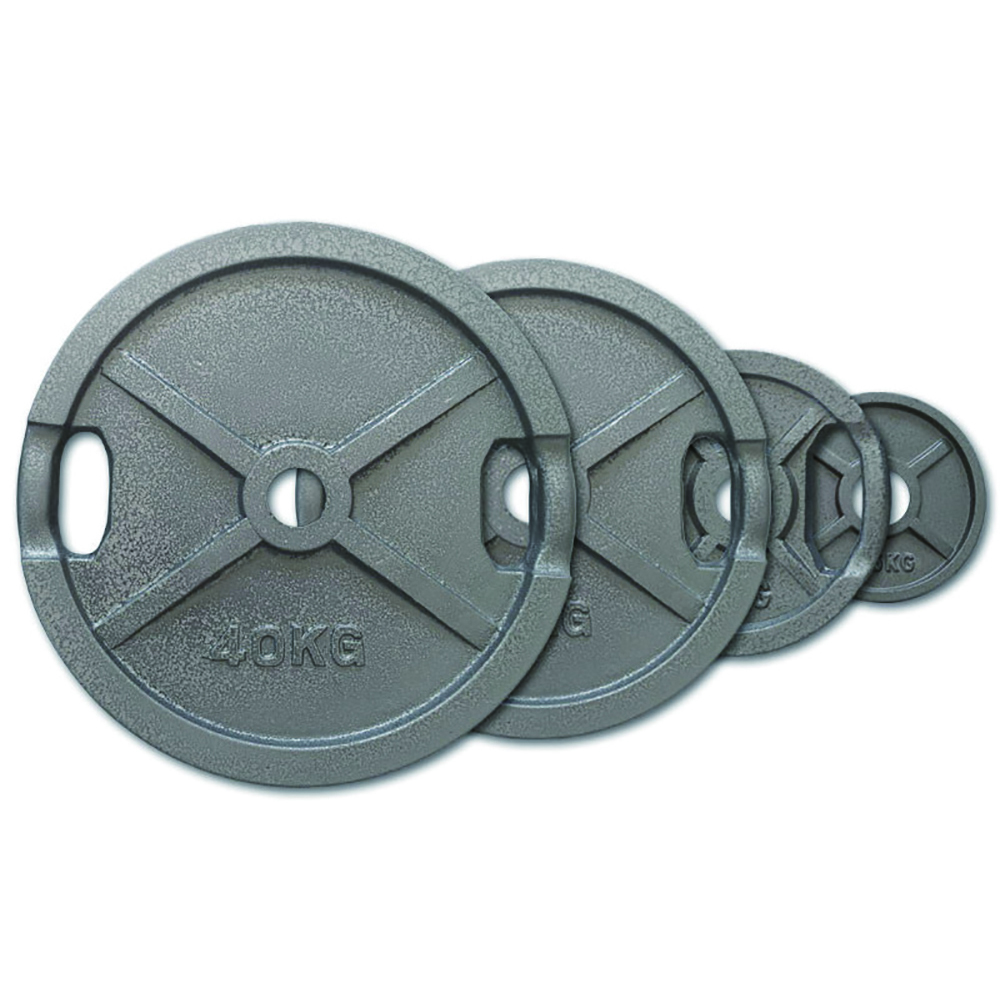
If you are serious about building strength, weight plates are among the most foundational tools in any training environment. Whether you are setting up a commercial gym, a private facility, or a home training space, weight plates define your ability to apply progressive overload — the single most validated principle behind long-term strength and muscle development. Without the ability to incrementally increase resistance, no training program can sustain meaningful progress over time.
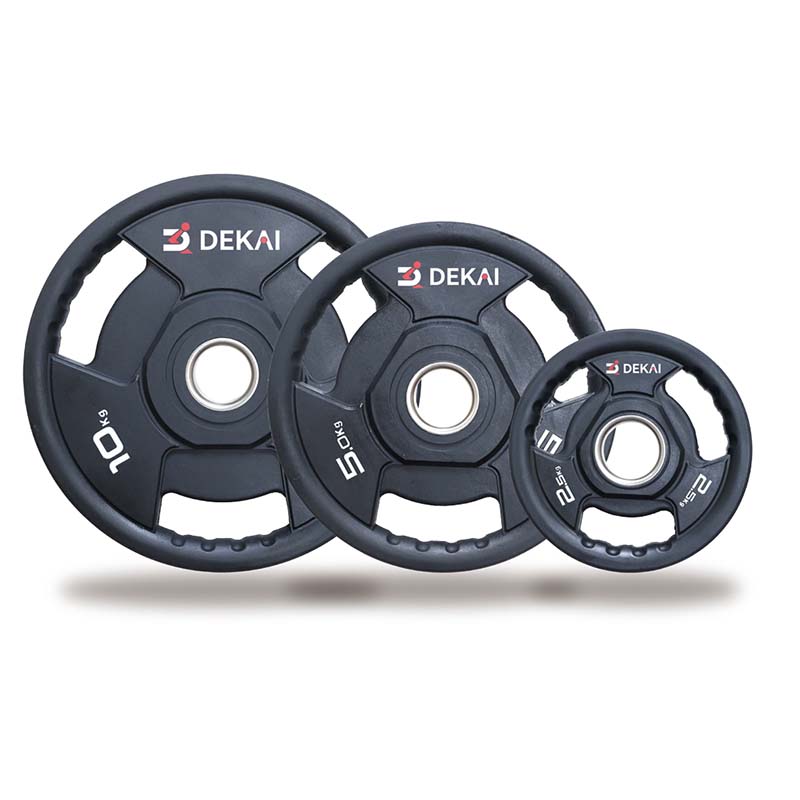
Weight plates serve as the primary mechanism for adjusting load across a wide range of compound and isolation exercises. From squats and deadlifts to bench presses and rows, weight plates allow athletes and fitness professionals to control training intensity with precision. This flexibility is what makes weight plates indispensable across skill levels, from beginners adding their first 2.5 kilograms to competitive powerlifters chasing new personal records. Understanding why weight plates are essential means understanding how structured overload drives adaptation in the human body.
The Role of Weight Plates in Progressive Overload
How Progressive Overload Requires Adjustable Resistance
Progressive overload is the process of gradually increasing the demands placed on the musculoskeletal system during training. When the body is exposed to greater resistance than it has previously encountered, it responds by building stronger muscle fibers, denser connective tissue, and improved neuromuscular coordination. Weight plates make this process both measurable and controllable. By adding weight plates in defined increments, coaches and athletes can ensure that each training cycle brings a clear and quantifiable increase in workload. Without weight plates providing this granular adjustment, the overload process becomes guesswork rather than a structured system.
Small Incremental Loading with Weight Plates
One critical advantage of using weight plates is the availability of fractional increments. Standard weight plates come in a range of sizes, including 1.25 kg, 2.5 kg, 5 kg, 10 kg, 20 kg, and 25 kg options. Fractional weight plates, often as light as 0.25 kg or 0.5 kg, allow athletes to continue progressing even when larger jumps are no longer sustainable. This precision is especially valuable for upper-body pressing movements, where strength gains plateau more quickly. Weight plates of varying sizes give coaches the flexibility to design micro-progression models that keep athletes advancing without overloading joints or risking injury. Consistent use of weight plates in incremental loading is what separates well-structured programs from poorly planned ones.
Weight Plates and Long-Term Training Adaptations
Building Muscle Hypertrophy Through Load Progression
Muscle hypertrophy — the increase in muscle fiber size — depends directly on mechanical tension and metabolic stress. Weight plates are the primary tool for creating the mechanical tension required to stimulate hypertrophy. When athletes consistently increase the load on a barbell using weight plates, they signal the body to grow stronger and larger muscle tissue. Research in exercise science consistently shows that progressive resistance training, powered by adjustable weight plates, produces superior hypertrophic outcomes compared to fixed-load or bodyweight-only programs. The scalability of weight plates means that hypertrophy-focused training can continue advancing for years without requiring expensive machines or complex setups.
Strength Development Across Multiple Movement Patterns
Compound movements such as the squat, deadlift, overhead press, and bench press are the cornerstones of strength development. All of these movements rely on weight plates to regulate intensity. Weight plates allow the same barbell to serve multiple functions depending on how much load is added. A beginner can train a squat pattern with 40 kg total while an advanced lifter uses 200 kg or more — both using the same equipment configuration with different weight plates applied. This universality means that weight plates are not just accessories but the central variable in the training equation. Facilities that invest in a comprehensive set of weight plates can serve a broad population of users across all strength levels simultaneously.
Selecting the Right Weight Plates for Your Training Goals
Material and Construction Quality
Not all weight plates are equal in quality or function. Cast iron weight plates are common in budget setups but tend to chip, rust, and produce noise over time. Rubber-coated weight plates offer better floor protection and noise reduction, making them suitable for group training environments. Urethane weight plates represent the premium tier, combining extreme durability, dimensional accuracy, and a professional appearance that commercial gyms demand. The material of your weight plates affects not only longevity but also the training experience. Plates that are uneven in thickness or inconsistent in actual weight create variability that undermines training precision. High-quality weight plates maintain accurate calibration across their lifespan, which matters significantly in competitive or performance-driven environments.
Choosing Weight Plate Sets for Facility and Home Use
When selecting weight plates for a facility, the range of available denominations is as important as total tonnage. A commercial gym serving a diverse membership needs weight plates in every common increment so that athletes at different levels can always find the exact load they need. For home gyms, a focused selection of weight plates — typically 1.25 kg, 2.5 kg, 5 kg, and 10 kg — can cover most training needs efficiently. Bumper weight plates, which are designed for Olympic lifting and are made from dense rubber, allow lifters to drop loaded barbells safely, which is a necessary feature in CrossFit-style environments. Matching your weight plates to your specific training context ensures that the investment supports performance rather than limiting it.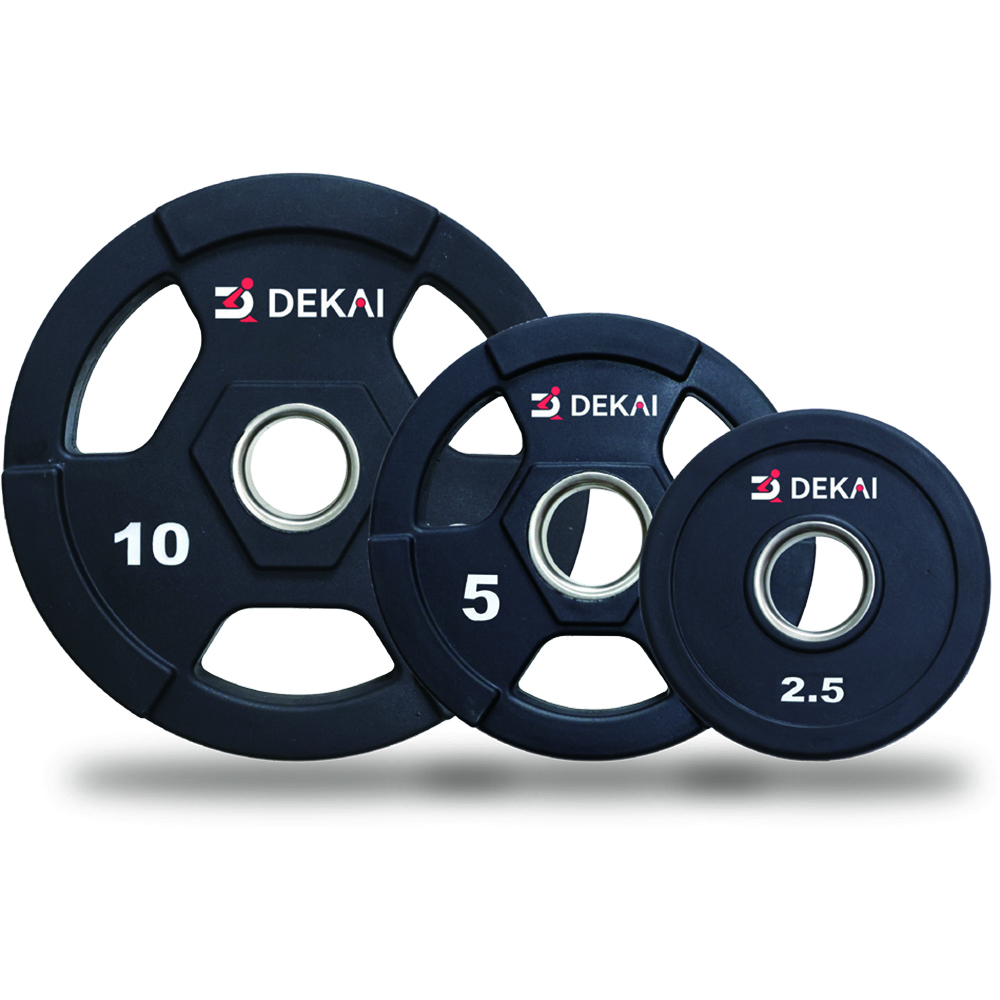
FAQ
How many weight plates do I need to start a serious strength program?
A functional starting set of weight plates typically includes multiple pairs of 1.25 kg, 2.5 kg, 5 kg, 10 kg, and 20 kg plates. This range allows for enough variation to run a full progressive overload program across major lifts. As your strength increases, adding heavier weight plates or fractional sizes expands your training range. The exact number depends on your starting strength levels and how many people will be training simultaneously. For solo use, a 200 kg total set of weight plates is usually sufficient for several years of advancement.
Are urethane weight plates worth the higher cost compared to rubber or cast iron?
Urethane weight plates offer significantly greater durability, dimensional consistency, and resistance to wear compared to rubber or cast iron options. For commercial gyms where weight plates are used repeatedly by dozens of people every day, the extended lifespan of urethane weight plates reduces long-term replacement costs. The smooth surface, color-coded design options, and professional aesthetics also enhance the training environment. For serious home athletes or performance facilities, urethane weight plates are a worthwhile investment that delivers both functional and visual quality over many years of heavy use.
Can weight plates be used outside of barbell training?
Yes, weight plates can be used in several ways beyond standard barbell loading. Athletes use weight plates for exercises such as plate-loaded carries, overhead holds, core rotations, and weighted push-up variations. Weight plates also load machines such as leg presses, cable stacks, and plate-loaded iso-lateral equipment found in commercial facilities. The versatility of weight plates extends their utility well beyond the barbell, making them one of the most multi-functional pieces of strength equipment available. Having a full range of weight plates on hand ensures that athletes are never limited in their exercise selection.