 EN
EN

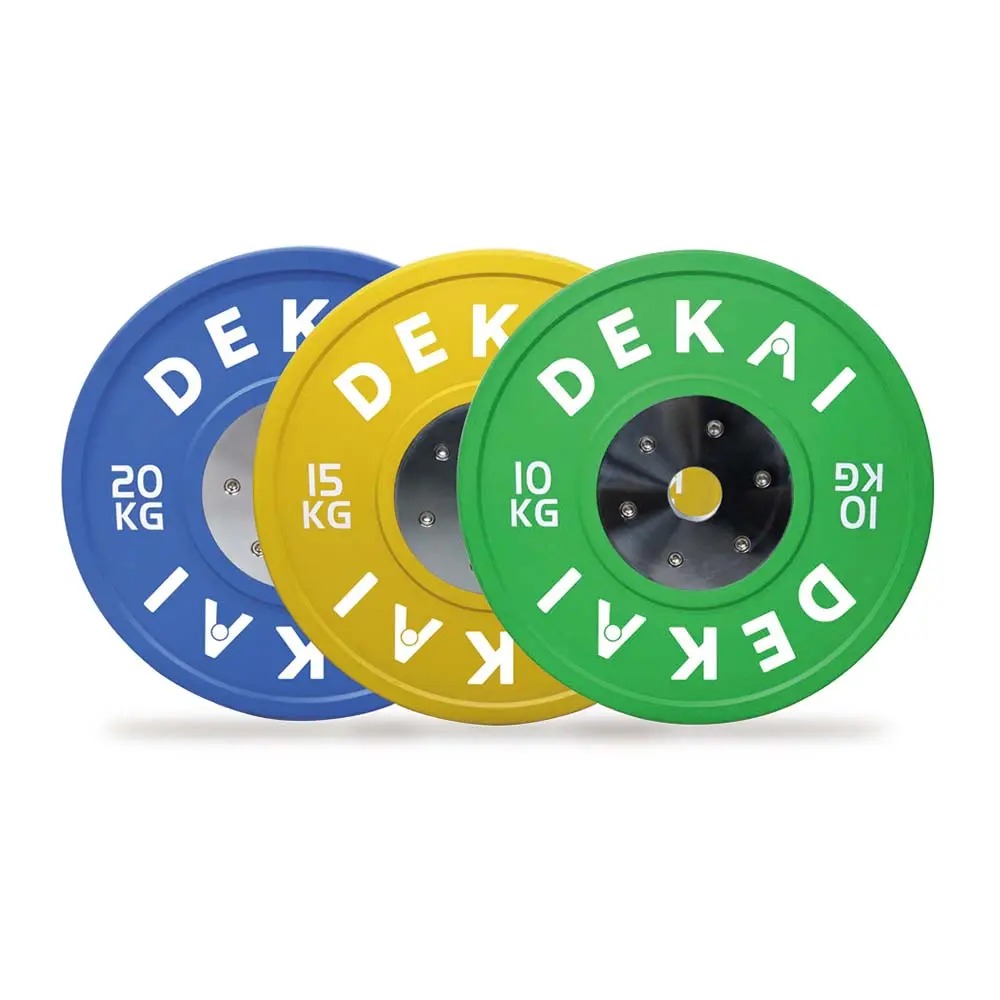
Selecting the right weight plates for your facility is one of the most important decisions a facility manager can make. Weight plates form the foundation of any strength training program, whether your facility serves casual gym members, serious athletes, or rehabilitation clients. The quality, durability, and performance characteristics of weight plates directly affect user safety, equipment longevity, and operational costs. Facilities that invest time in evaluating weight plates based on their specific needs experience fewer equipment failures, higher member satisfaction, and better return on investment over time.
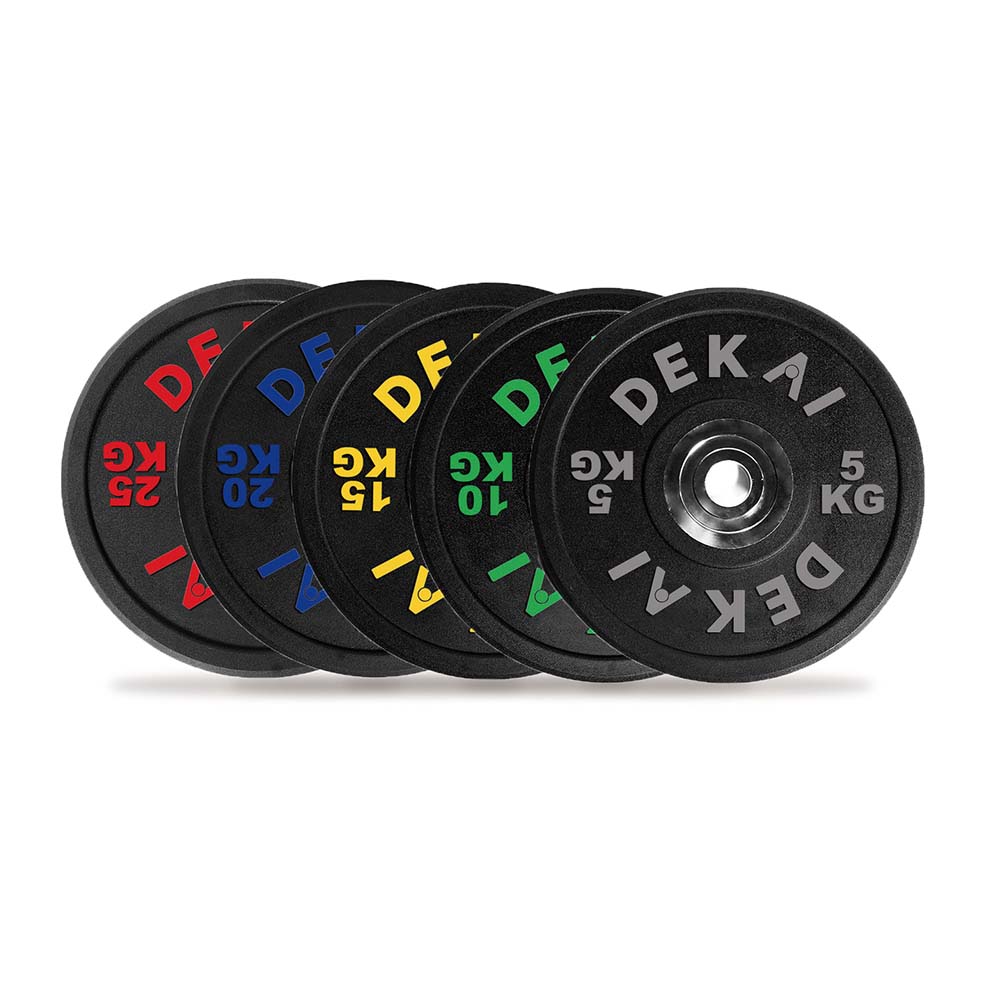
This comprehensive guide walks facility managers through the essential considerations for choosing weight plates that will serve your members effectively and withstand the demands of daily use. From material composition to safety standards, each factor plays a critical role in determining which weight plates suit your facility's operational requirements and budget constraints. Understanding these selection criteria ensures you choose weight plates that deliver consistent performance and reliability year after year.
Material Composition and Durability Standards
Understanding Weight Plate Material Options
Weight plates are manufactured from several different materials, each offering distinct advantages and trade-offs for facility operations. Cast iron weight plates remain the traditional choice and provide excellent durability and cost efficiency for most general-purpose facilities. Rubber-coated weight plates add protection for flooring, reduce noise during drop sets, and appeal to modern fitness members who expect premium equipment. Urethane weight plates represent the premium option, delivering superior durability, aesthetic appeal, and performance characteristics that justify higher initial investment for commercial facilities with heavy daily usage patterns. Bumper weight plates, typically made from rubber or urethane, are specifically designed for Olympic lifting movements and absorb impact when dropped from overhead positions.
Assessing Material Durability for Your Facility Type
The material selection for weight plates depends directly on your facility's usage intensity and member demographics. High-volume commercial gyms handling thousands of member sessions daily require weight plates manufactured from materials that resist chip damage, surface degradation, and wear patterns that emerge from constant use. Facilities specializing in functional fitness or CrossFit-style training need weight plates that survive regular dropping and impact stress without developing cracks or surface flaws. Rehabilitation centers and physical therapy clinics can often select lighter-duty weight plates since usage patterns are controlled, supervised, and less aggressive than competitive training environments. When evaluating material durability, inspect weight plates for consistent coating quality, proper casting techniques, and manufacturing standards that indicate the plates will maintain performance integrity throughout their service life.
Safety Standards and Compliance Requirements
Meeting International Weight Plate Standards
Facilities must ensure that weight plates comply with recognized international safety standards and regulations applicable to their jurisdiction and facility type. The International Organization for Standardization establishes specifications for weight plate specifications, weight accuracy tolerances, and design requirements that protect users from equipment failure and injury. National regulations in many countries mandate that commercial weight plates meet specific certification standards before installation in public fitness facilities. When selecting weight plates, verify that products carry appropriate certification marks from recognized testing laboratories and that documentation confirms compliance with relevant standards. Weight plates should maintain accurate weight within specified tolerances, typically plus or minus one percent of marked weight, ensuring that users can reliably predict loads during training sessions.
Evaluating Safety Features in Weight Plate Design
Beyond material standards, weight plates incorporate specific design features that enhance user safety during handling and exercise execution. Properly centered weight holes ensure balanced weight distribution and prevent wobbling or unexpected shifts on barbell sleeves during loading and unloading. Smooth, beveled edges on weight plates reduce hand injuries during plate handling while durable surface finishes prevent rust and oxidation that could compromise structural integrity. Color-coded weight plates help users quickly identify plate denominations and reduce errors during workout setup, particularly important for facilities serving diverse experience levels. Thick, robust edge banding on weight plates designed for dropping prevents chipping and maintains equipment appearance while protecting facility flooring and surrounding equipment from damage caused by dropped plates.
Facility-Specific Requirements and Operational Fit
Matching Weight Plate Selection to Your Training Programs
Different training methodologies and programs require specific weight plate characteristics that support proper exercise performance and member satisfaction. General fitness facilities typically need a comprehensive range of weight plates from light denominations supporting warm-up routines through heavy plates enabling competitive strength training. Facilities focused on strength and power development require premium-grade weight plates that maintain perfect balance and withstand repeated heavy loads without performance degradation. Olympic lifting clubs need specialized bumper weight plates designed specifically for dropping and competition-style training without compromising structural integrity or facility safety. When selecting weight plates for your facility, inventory your program offerings and member experience levels, then choose plate types and weight denominations that support all training modalities offered at your location.
Calculating Weight Plate Inventory Requirements
Proper inventory planning ensures that weight plates in your facility support peak usage without constraining member access or creating bottlenecks during busy operating hours. Facilities should calculate the total weight capacity needed by multiplying average simultaneous users by average load per workout, then adding contingency for heavy users and competitive athletes. Most commercial facilities benefit from redundancy in weight plate inventory, maintaining backup weight plates to sustain operations when some equipment requires maintenance or repair. Facility managers should plan weight plate inventory across multiple denominations, ensuring that popular mid-range weights are available in sufficient quantities while maintaining adequate light and heavy options. Weight plates stored near training stations enable quick member access while backup inventory maintains smooth operations when primary plates are in use or undergoing maintenance.
Cost Considerations and Long-Term Value Assessment
Evaluating Initial Investment Versus Long-Term Performance
Budget constraints influence weight plate selection, but facility managers should evaluate cost within the context of expected service life and maintenance expenses. Budget-friendly weight plates offer lower initial cost but may require more frequent replacement, higher maintenance needs, and reduced member satisfaction if quality issues emerge. Premium weight plates carry higher upfront cost but typically deliver superior durability, maintain aesthetic appearance longer, and generate positive member perception that justifies facility pricing. When calculating true cost of ownership for weight plates, factor in estimated replacement frequency, maintenance labor hours, and potential facility reputation impact from equipment quality issues. Many facilities discover that investing in higher-quality weight plates reduces total operating costs over five to ten years despite larger initial capital expenditure.
Planning Maintenance and Replacement Schedules
Weight plates that receive proper maintenance during their operational life extend service longevity and maintain reliable performance for members. Regular inspection routines identifying surface damage, rust formation, or structural concerns enable facilities to address issues before complete plate failure. Adequate storage conditions protecting weight plates from excessive moisture exposure and temperature fluctuations preserve material integrity and prevent premature degradation. Facility managers should establish replacement timelines based on usage intensity, establishing schedules that retire worn weight plates before they compromise safety or member experience. Budget planning that reserves capital annually for weight plate replacement ensures facilities can maintain adequate inventory quality without sudden budget crises when significant equipment replacement becomes necessary.
FAQ
What weight plate material is best for high-volume commercial gyms?
Commercial facilities experiencing heavy daily usage should prioritize urethane weight plates or high-quality rubber-coated weight plates that deliver superior durability and maintain appearance after intensive use. These materials resist damage from dropping, handling stress, and environmental exposure better than cast iron alone, though they carry higher initial investment. For maximum durability in high-traffic facilities, urethane weight plates offer the best balance of performance, longevity, and member satisfaction when selected from reputable manufacturers meeting international standards.
How do I ensure weight plates meet safety requirements?
Verify that weight plates carry certification from recognized testing laboratories confirming compliance with international standards like ISO specifications applicable in your jurisdiction. Request documentation confirming weight accuracy tolerances, material composition, and design specifications from manufacturers. Inspect weight plates for consistent quality, proper edge design, balanced weight distribution, and absence of defects that could compromise safety during use.
How should facilities calculate the right weight plate inventory?
Calculate total needed capacity by multiplying your facility's peak simultaneous users by average load per user, then add contingency for heavy users and athletes. Distribute inventory across multiple weight denominations, maintaining abundance of popular mid-range plates while ensuring adequate light and heavy options. Plan for redundancy so operations continue smoothly when weight plates require maintenance or replacement, and store plates strategically near training stations for member convenience.