 EN
EN

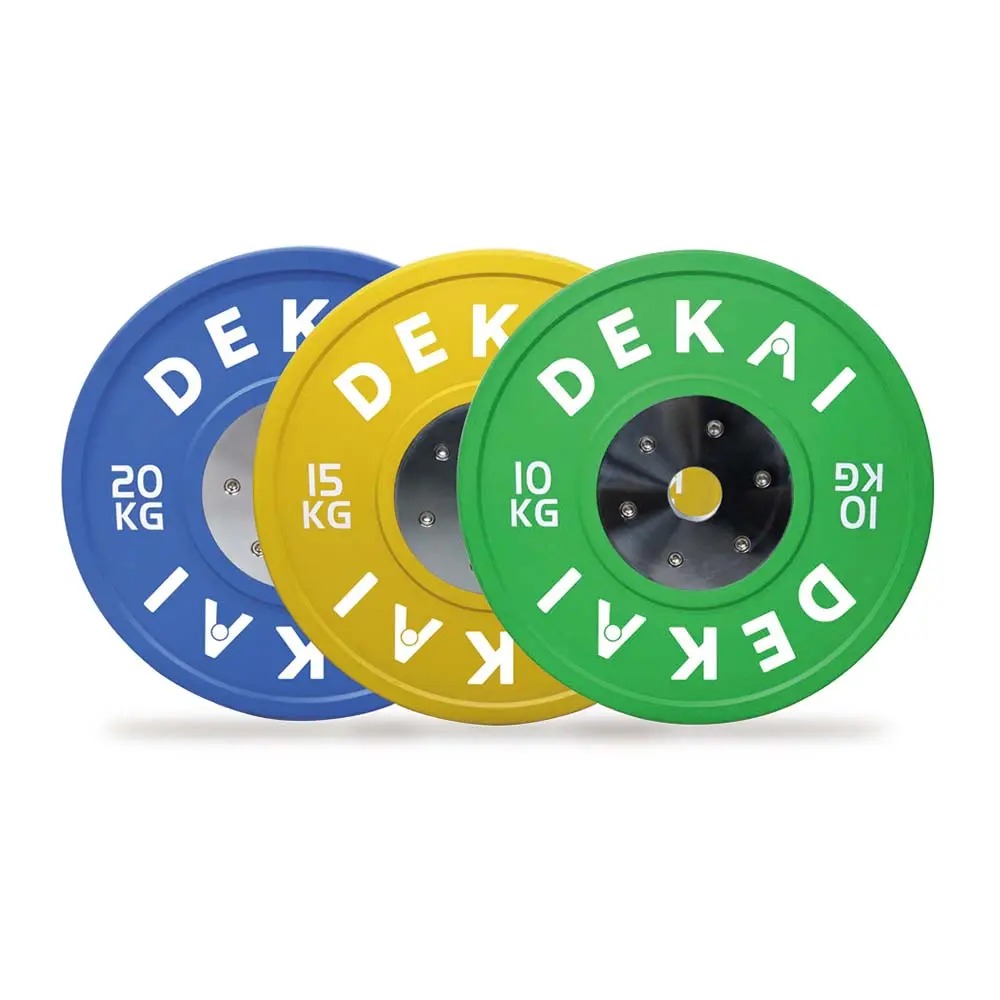
Weight plates are fundamental components of structured strength training systems, serving as the primary method for adding resistance to barbell exercises. Understanding how weight plates function within a comprehensive training framework is essential for coaches, athletes, and fitness professionals who design and implement progressive resistance programs. The proper selection, loading, and application of weight plates directly influence training outcomes, injury prevention, and long-term athletic development. In structured strength training systems, weight plates are not simply added arbitrarily; they follow precise programming logic that aligns with training phases, periodization models, and individual athlete capacities.
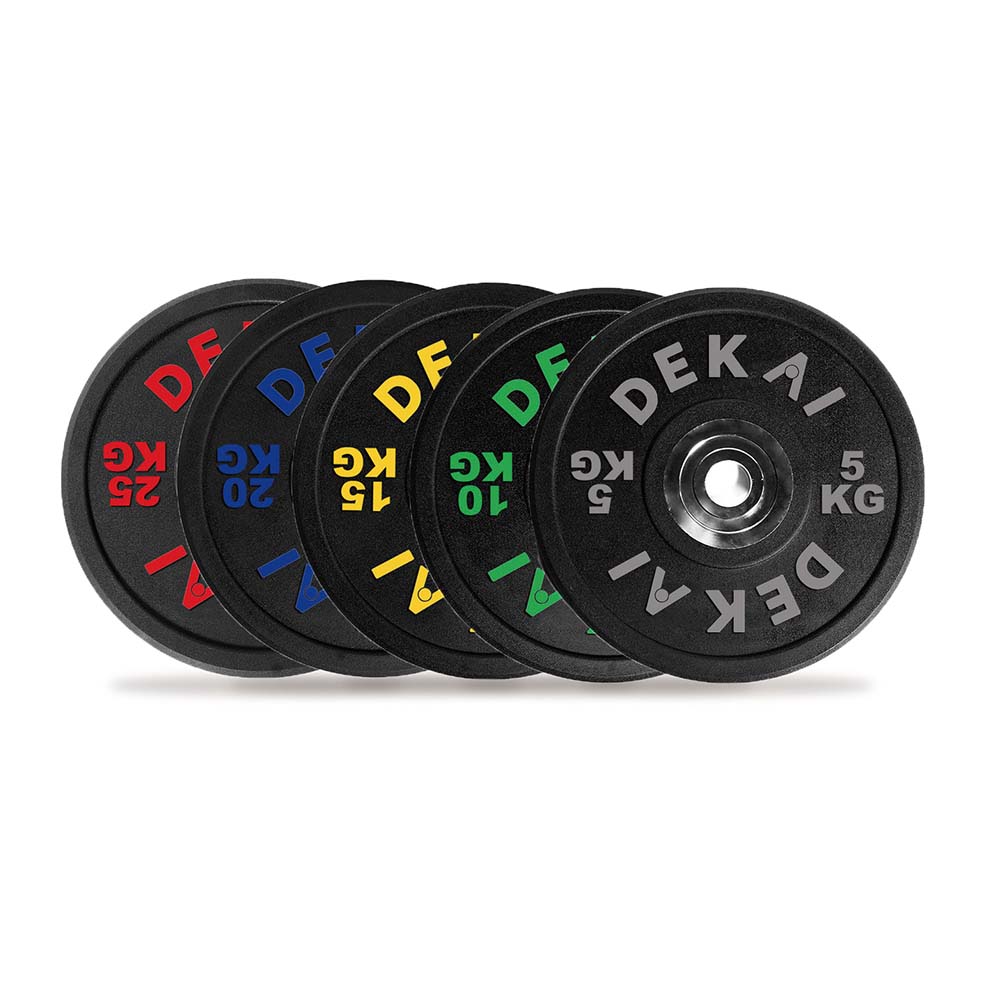
In competitive sports and performance environments, structured strength training systems rely on weight plates to create measurable, repeatable training stimulus. Whether used in powerlifting, Olympic weightlifting, CrossFit, or general athletic conditioning, weight plates enable progressive overload—the foundational principle of strength development. A well-designed training system specifies exactly which weight plates are used, how many repetitions athletes complete, how many sets are performed, and how frequently training occurs. This specificity transforms strength training from random exercise into a science-based methodology where every session builds toward documented performance improvements.
Role of Weight Plates in Progressive Overload
Incremental Resistance Progression
Progressive overload is the cornerstone of strength development, and weight plates are the primary tool for implementing this principle. In structured strength training systems, weight plates allow coaches to increase resistance in small, manageable increments that match athlete readiness and recovery capacity. Rather than jumping from a light session to an extremely heavy one, structured programs use strategically placed weight plates to add 2.5 to 10 pounds per session or per week. This measured approach prevents injury while maintaining consistent progress over months and years of training.
The variety of weight plate denominations—ranging from fractional plates weighing 0.5 pounds to 45-pound standard plates—enables precise load management. In strength training systems designed for intermediate and advanced athletes, using smaller weight plates creates smoother progression curves. A lifter might increase total barbell load by just 2.5 or 5 pounds between sessions, which is substantially better than jumping by 10 or 20 pounds. This precision ensures that weight plates support the principle of gradual adaptation, where tissues, nervous system, and metabolic systems all adjust systematically to increasing demands.
Matching Load to Training Phase
Structured strength training systems typically organize training into distinct phases, each with specific strength targets, repetition ranges, and intended adaptations. During hypertrophy phases, weight plates are loaded to create moderate resistance that athletes lift for 6 to 12 repetitions per set. In strength phases, weight plates are configured heavier, allowing only 1 to 5 repetitions at maximal effort. Power phases utilize moderate weight plates at explosive speeds to develop rate of force development. By strategically adjusting which weight plates are used for each phase, coaches ensure that training stimulus aligns with specific adaptations.
The periodized approach to weight plates recognizes that athletes progress through different physiological states throughout a training year. Early phases might emphasize lighter weight plates with higher volume to build work capacity and movement patterns. Mid-training phases increase weight plate load while reducing volume slightly to build maximum strength. Competition-focused phases adjust weight plate configuration to closely match competitive lifting intensity. This systematic progression of weight plates across phases creates a coherent training narrative where each block builds upon previous adaptations, preventing plateaus and sustaining long-term development.
Loading Techniques and Safety Considerations
Proper Barbell Loading with Weight Plates
Correct loading of weight plates onto barbells is a technical skill that affects safety, consistency, and training effectiveness. In structured strength training systems, coaches establish clear protocols for how weight plates are applied. Standard practice loads weight plates symmetrically on both ends of the barbell, with larger denominations on the inside and smaller weight plates positioned outward. This loading sequence ensures stability, prevents the barbell from tipping, and creates predictable weight distribution during lifts. Athletes must develop consistency in this process, as inconsistent weight plate loading introduces variability that confounds training data and increases injury risk.
Safety collars must always secure weight plates to the barbell during training, and all weight plates must be visually inspected before use. Cracked, chipped, or damaged weight plates can shift unexpectedly during lifts, creating unstable loading conditions. In professional strength training environments, weight plates are maintained regularly, and facilities track their condition systematically. Structured training systems include explicit guidelines about when weight plates are deemed unsafe and must be removed from service. This attention to equipment quality ensures that training intensity and volume remain the only variables manipulated in training sessions.
Load Selection Strategy
Determining which weight plates to load for a specific session requires understanding the athlete's training history, current capacity, and the intended stimulus for that particular workout. In structured strength training systems, coaches calculate training loads based on established max lifts or performance benchmarks. If an athlete's maximum squat is 300 pounds, weight plates for an 80-percent-intensity session are loaded to create a 240-pound barbell load. This calculation-based approach removes guesswork and ensures that weight plates are configured to produce the intended training effect. Structured systems often include warm-up protocols that use progressively heavier weight plates before working sets, allowing athletes to prepare both physically and neurologically.
Recovery between sessions influences how weight plates should be loaded in subsequent workouts. If an athlete had an unusually difficult session or incomplete recovery, experienced coaches may reduce weight plate load in the next session despite the program technically calling for higher intensity. Conversely, outstanding performance might warrant slightly increased weight plate load beyond the planned progression. These tactical adjustments within a structured system prevent overtraining while capitalizing on high-readiness windows. Weight plates thus function not as fixed equipment but as variables controlled by coaching judgment and athlete response data.
Integration Within Comprehensive Training Programming
Periodization Models and Weight Plate Application
Periodized training systems structure weight plate usage across years, seasons, and training blocks to optimize adaptation and prevent overuse injuries. Linear periodization models gradually increase weight plate load while decreasing training volume as competition approaches. Undulating periodization varies weight plate intensity, volume, and exercise selection within each week, creating diverse stimulus that develops multiple strength qualities simultaneously. Block periodization dedicates 4 to 6-week training blocks to specific adaptations, with weight plate loads precisely matched to each block's objective. Structured programs document these periodization strategies explicitly, allowing coaches and athletes to understand why weight plates are loaded as they are in any given session.
Elite strength training systems employ sophisticated periodization that coordinates weight plates across multiple exercises performed in the same session. A training day might include a main lift where weight plates are loaded to 85 percent intensity, secondary exercises using weight plates at 70 percent intensity, and accessory movements using lighter weight plates for 10 to 15 repetitions. This hierarchy of weight plate loading ensures that athletes generate maximal effort when skill demands are highest, then practice movement patterns and accumulate volume at lower intensity. This strategic deployment of weight plates prevents fatigue from compromising technical quality on demanding primary lifts.
Training Data Collection and Load Adjustment
Modern strength training systems emphasize documenting every session, recording which weight plates were used, repetitions completed, and perceived effort. This data enables coaches to make informed decisions about future weight plate progression. If an athlete consistently struggles to complete prescribed repetitions with planned weight plates, the load is reduced and more volume is accumulated at the lower intensity. If weight plates are lifted effortlessly for prescribed repetitions, loads increase for subsequent sessions. This feedback loop ensures that weight plates remain challenging without becoming insurmountable.
Advanced training facilities use technology to track velocity of movement with specific weight plate configurations, as movement velocity is a reliable indicator of training intensity and fatigue status. If an athlete's barbell velocity decreases significantly with familiar weight plate loads, it signals incomplete recovery or accumulated fatigue. Coaches then adjust weight plate loads downward temporarily, prioritizing sustainable progress over hitting predetermined targets. This data-driven approach to weight plates prevents the common mistake of rigidly adhering to a program despite clear signs that loads need reduction.
FAQ
How do weight plates differ between sports and training goals?
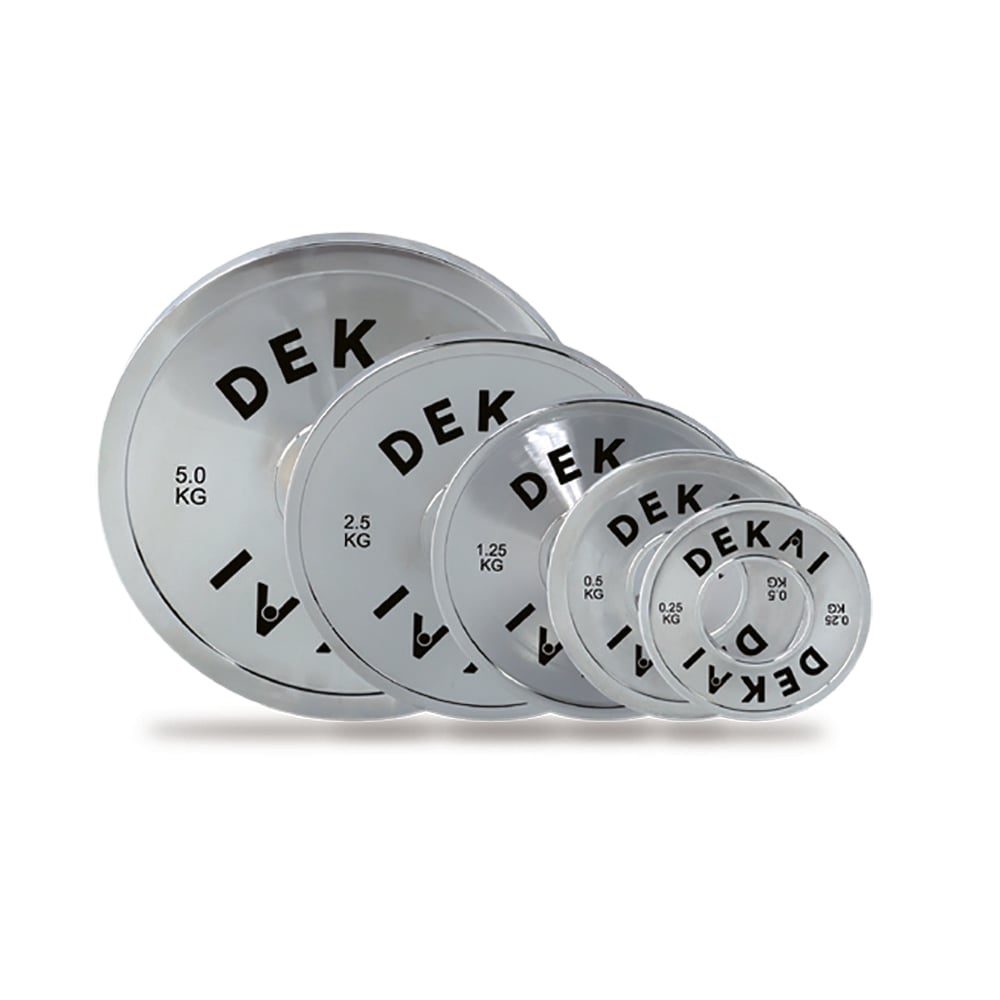
Weight plates used in powerlifting are standardized to exact specifications, whereas bodybuilding training may employ varied weight plates more flexibly. Strength sports demand precision in weight plate loading to ensure fair competition and consistent measurement of progress. Olympic weightlifting uses distinct weight plate colors and denominations recognized internationally. General fitness uses weight plates with greater variety, and fractional weight plates become essential as training advances. The core principle remains consistent: weight plates must match training goals and athlete capacity to drive appropriate physiological adaptations.
What weight plate loading mistakes should coaches avoid?
Common errors include loading weight plates inconsistently, making excessive jumps between weight plate denominations, and failing to adjust weight plates based on recovery status. Another mistake involves loading identical weight plates for all athletes despite varied training experience and capacity; weight plates must be individualized. Some coaches neglect to track which weight plates were used, preventing analysis of training progress. Ignoring equipment maintenance—allowing cracked or worn weight plates to remain in service—compromises both safety and training consistency. Successful structured training systems establish clear protocols and hold athletes and coaches accountable to them.
Can beginners start immediately with heavy weight plates?
Beginners require a different approach to weight plates than advanced athletes. Starting with lighter weight plates allows proper movement pattern development and builds work capacity gradually. Beginners typically use weight plates to complete higher repetition ranges (8 to 15 reps) before attempting lower repetitions with heavier weight plates. Structured systems for novices progressively increase weight plate load only after consistent exercise technique is established and recovery is adequate. Attempting maximum weight plates without adequate preparation increases injury risk substantially and often slows long-term progress.