 EN
EN

Heavy lifting environments demand equipment that protects both athletes and infrastructure from the intense forces generated during training. Bumper plates have emerged as a critical safety solution in gyms, CrossFit facilities, weightlifting centers, and commercial training spaces. These specialized weight plates are engineered to absorb shock, reduce noise, and minimize damage to flooring while maintaining consistent performance across thousands of lifts. Understanding how bumper plates support safer heavy lifting environments reveals why they have become the industry standard for serious strength training operations.
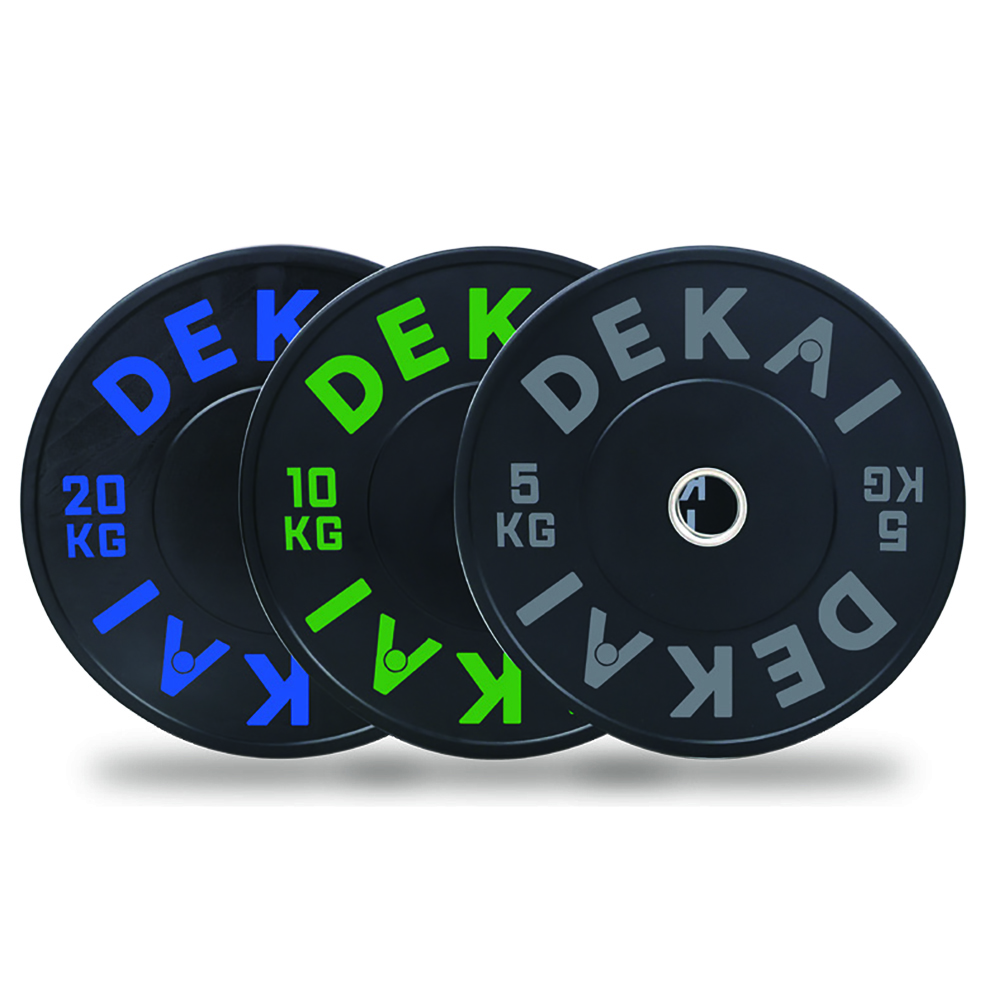
Bumper plates differ fundamentally from traditional iron weight plates in their construction and impact characteristics. The outer layer of bumper plates consists of dense rubber or urethane material, while the inner core contains a steel hub. This dual-material construction enables bumper plates to absorb the energy released when loaded barbells are dropped from shoulder height or overhead position, a fundamental aspect of Olympic weightlifting and explosive strength training. For facility managers and strength coaches, selecting appropriate bumper plates directly influences safety outcomes, equipment longevity, and operational efficiency.
Impact Energy Absorption and Floor Protection
How Bumper Plates Reduce Shock Transfer
When athletes perform Olympic lifts or drop heavy barbells during training, the sudden deceleration creates massive impact forces that travel through the barbell, weight plates, and directly into the floor structure. Bumper plates address this hazard by distributing impact energy across the rubber or urethane surface rather than transmitting it as a concentrated shock. The elastic properties of bumper plates compress slightly upon impact, absorbing kinetic energy and extending the deceleration period. This shock absorption mechanism protects expensive flooring materials, reduces structural stress on the building foundation, and significantly lowers noise levels in the training environment. By using bumper plates instead of traditional iron plates, facilities can expect dramatically reduced floor damage and extended flooring lifespan.
Protection for Facility Infrastructure
Commercial heavy lifting facilities face substantial infrastructure damage costs when athletes repeatedly drop iron plates onto hard surfaces. Traditional iron plates create point loads and sharp impact forces that crack concrete, compromise wooden subflooring, and damage expensive specialized gym flooring. Bumper plates distribute impact forces over a larger surface area and reduce peak force transmission, protecting the structural integrity of the facility. Many facility owners and managers invest in bumper plates as a preventative maintenance strategy, recognizing that the cost of bumper plates is offset by avoiding costly floor repairs and replacements. Additionally, bumper plates reduce vibration transmission to adjacent areas, making facilities more pleasant for other users and neighbors in multi-tenant buildings.
Athlete Safety and Training Performance
Injury Prevention Through Controlled Impact
Heavy lifting carries inherent risks, and part of that risk involves the equipment itself. When athletes miss lifts or intentionally drop heavy barbells during training, bumper plates provide a crucial safety interface between the barbell and the ground. Unlike iron plates that create unpredictable bouncing and rolling, bumper plates remain more stable and predictable after impact. The shock absorption provided by bumper plates reduces the upward rebound force, preventing barbells from bouncing unpredictably and potentially striking athletes or others nearby. Furthermore, bumper plates reduce the jarring sensation transmitted through the barbell to the athlete's hands, wrists, and shoulders, lowering the cumulative strain on joints during high-volume training sessions. Athletes appreciate bumper plates because they enable confident dropping of failed lifts without worrying about equipment failure or facility damage.
Consistency in Training Conditions
Bumper plates maintain consistent diameter across different weights because the outer rubber or urethane layer is uniform thickness. This dimensional consistency means that whether an athlete is lifting with bumper plates at 135 pounds or 405 pounds, the bar height remains constant, allowing for predictable pulling mechanics and consistent technique execution. This consistency is particularly important in Olympic weightlifting, where technique precision directly impacts performance and safety. Bumper plates also provide consistent rebound characteristics across repeated impacts, ensuring that training sessions feel similar day after day. Athletes training for competition benefit significantly from this reliability because their muscle memory and body positioning remain consistent throughout training cycles.
Noise Reduction and Facility Amenities
Acoustic Benefits in Multi-User Environments
One of the most immediately noticeable benefits of bumper plates is the dramatic reduction in noise generated during heavy lifting sessions. When traditional iron plates collide with concrete or hard surfaces, they produce loud clanging sounds that can exceed 100 decibels, similar to a chainsaw or jackhammer. These noise levels create uncomfortable working environments for athletes, staff, and other facility users. Bumper plates absorb much of this impact energy acoustically, reducing noise levels to 80–90 decibels, comparable to heavy traffic rather than industrial machinery. For facilities located in urban areas, residential buildings, or shared commercial spaces, this noise reduction enables longer operating hours, more flexible scheduling, and improved community relations. Many facility operators report that switching to bumper plates significantly reduces neighbor complaints and allows them to expand programming without operational restrictions.
Enhanced User Experience and Retention
The overall training environment influenced by bumper plates extends beyond safety and noise to affect user satisfaction and facility reputation. Athletes train more comfortably when surrounded by appropriate, professional-grade equipment, and they perceive facilities with bumper plates as serious, well-managed operations. Bumper plates signal to clients that the facility prioritizes safety, respects the training process, and invests in quality infrastructure. This perception supports member retention, attracts serious lifters seeking professional training environments, and builds word-of-mouth reputation in strength sports communities. Additionally, bumper plates enable facilities to offer drop-friendly programming, such as CrossFit, Olympic weightlifting classes, and high-intensity power training, which are increasingly popular formats that appeal to competitive and goal-oriented athletes.
Material Durability and Long-Term Value
Composition and Lifespan Characteristics
Bumper plates constructed from premium rubber or urethane materials exhibit superior durability compared to lower-quality alternatives. High-grade urethane maintains its elasticity and shock-absorption properties across hundreds of thousands of repetitions, while lower-grade materials can crack, delaminate, or lose cushioning properties prematurely. The steel hub embedded within bumper plates provides structural integrity and ensures consistent weight even as the outer layer experiences age-related changes. Quality bumper plates from reputable manufacturers undergo rigorous testing to verify durability under extreme conditions, including repeated drops, varied temperature environments, and intensive commercial use. When facilities select bumper plates from reliable suppliers, they invest in equipment that will perform reliably for decades, supporting thousands of training sessions and protecting facility infrastructure throughout extended operational lifespans.
Cost Effectiveness and Return on Investment
Although bumper plates cost more than traditional iron plates initially, the total cost of ownership strongly favors bumper plates when accounting for floor protection, reduced maintenance, and equipment longevity. Facilities that avoid expensive flooring repairs, reduce structural damage, and eliminate premature equipment replacement realize substantial savings across facility operating budgets. Additionally, bumper plates support programming diversity and attract member segments willing to pay premium membership rates for professional training environments, creating revenue opportunities that offset equipment investments. Facility managers evaluating equipment purchases should calculate total cost of ownership across five- to ten-year horizons rather than focusing on initial purchase price, revealing that bumper plates represent excellent long-term investments in facility sustainability and profitability.
FAQ
What thickness and weight range do bumper plates come in?
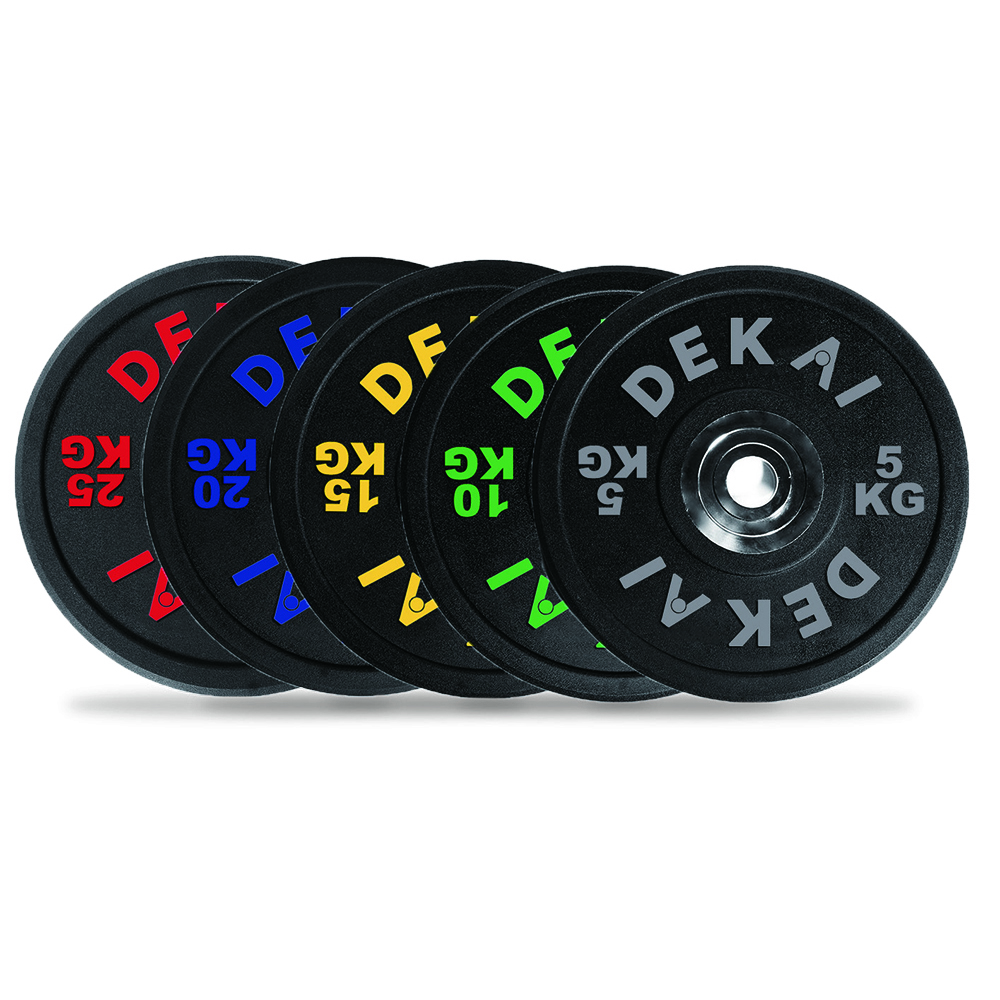
Bumper plates are typically available in weight increments of 10, 15, 20, and 25 kilograms, following International Weightlifting Federation standards. Competition bumper plates have standardized dimensions with 450-millimeter outer diameters, ensuring consistent pulling heights regardless of weight. Commercial bumper plates may vary slightly in thickness and hardness depending on intended use and facility requirements. Facilities should verify dimensions and weight specifications when selecting bumper plates to ensure they match barbell types, collars, and existing equipment in their training environment.
Can bumper plates be used outdoors or in uncontrolled environments?
Bumper plates can be used outdoors, though exposure to direct sunlight, extreme temperature fluctuations, and moisture may accelerate degradation of rubber or urethane materials. Facilities planning outdoor training areas should consider premium urethane bumper plates designed for environmental exposure rather than standard indoor bumper plates. Protective storage, regular cleaning, and shade during extended periods improve bumper plate longevity in outdoor settings. Many commercial facilities compromise with covered outdoor training spaces that provide weather protection while maintaining the practical benefits of bumper plates for outdoor programming.
Are bumper plates required for all heavy lifting or only Olympic weightlifting?
Bumper plates are essential for Olympic weightlifting and any training involving intentional barbell dropping, such as CrossFit or explosive power training. However, powerlifting programs emphasizing squat, bench press, and deadlift movements may use traditional iron plates since these lifts do not typically involve dropping the barbell. The decision to use bumper plates should be based on facility programming, training methodologies, and whether athletes will be dropping loaded barbells during workouts. Many commercial facilities use bumper plates across all platforms to maintain consistency and simplify equipment management, even if not every training style absolutely requires them.