 EN
EN

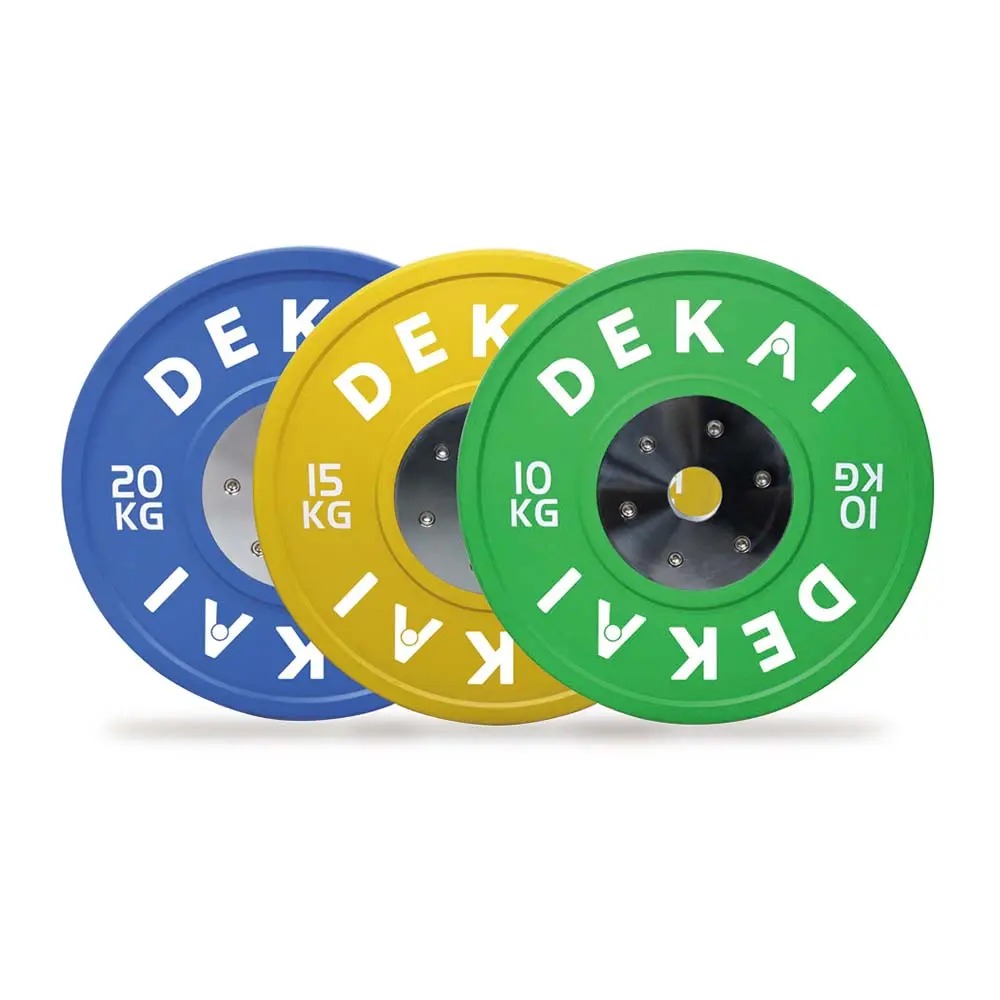
Bumper plates have become a cornerstone of modern functional fitness training, revolutionizing how athletes and trainers approach strength and conditioning workouts. Whether in CrossFit boxes, commercial gyms, or home fitness setups, bumper plates deliver unmatched performance and reliability for dynamic movement patterns. Understanding why bumper plates have gained such widespread adoption requires examining the specific advantages they provide to functional fitness practitioners who demand equipment that can withstand explosive training sessions and protect facility infrastructure.
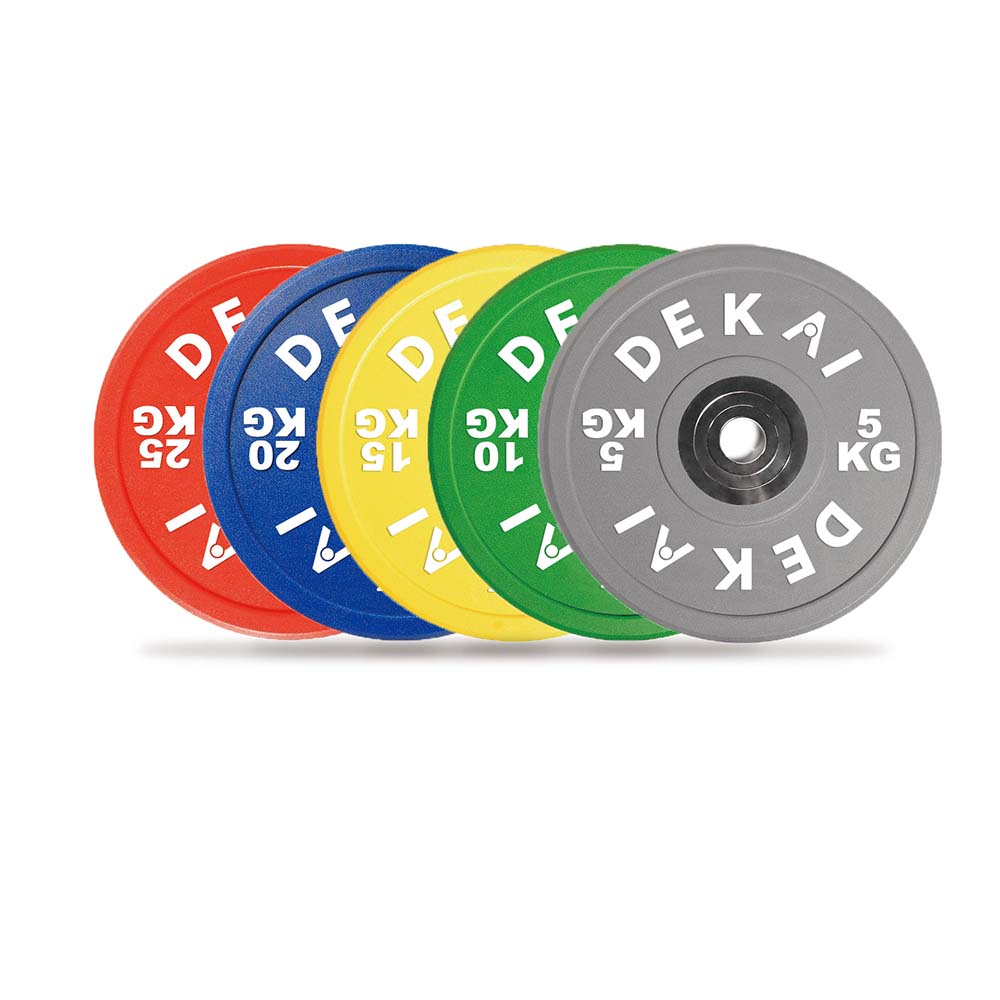
The rise of bumper plates in functional fitness reflects a fundamental shift in training philosophy. Traditional cast iron plates, while effective for controlled movements, cannot accommodate the drop-and-catch mechanics central to functional fitness. Bumper plates solve this challenge by combining durability with impact absorption, making them the logical choice for programming that prioritizes athletic performance, safety, and long-term equipment longevity.
Superior Impact Absorption and Floor Protection
Engineered Durability in Bumper Plates
Bumper plates are constructed with specialized rubber compounds designed to absorb shock and distribute impact forces across the plate surface. When athletes perform Olympic lifts, kettlebell complexes, or explosive movements common in functional fitness, the floor and equipment endure tremendous stress. Unlike traditional iron plates that concentrate force in narrow contact zones, bumper plates distribute impact through their elastomer construction, protecting both the plate itself and the underlying flooring. This engineered design is why bumper plates have become non-negotiable for facilities hosting high-intensity functional fitness programming.
Longevity and Cost Efficiency
While bumper plates carry a higher initial investment than cast iron alternatives, their extended lifespan delivers superior cost efficiency over time. Facilities that consistently drop bumper plates experience minimal degradation, whereas traditional plates develop stress fractures and surface damage requiring replacement within months of intensive functional fitness use. The rubber construction of bumper plates resists chipping, cracking, and deformation even under repeated dropping from shoulder height or above. This durability ensures that investment in quality bumper plates pays dividends across years of functional fitness training programs.
Safety Features Essential to Functional Fitness
Reduced Injury Risk During Dynamic Training
Functional fitness training inherently involves dynamic, explosive movements where athletes must catch heavy loads or execute complex barbell sequences. Bumper plates provide critical safety advantages during these scenarios. The cushioned exterior reduces hand and shin abrasions during rack transitions, and the impact-absorbing properties decrease shock transmitted through joints during catch positions. Athletes performing functional fitness movements benefit from bumper plates because the equipment accommodates the full range of athletic expression without compromising structural integrity or creating hazardous conditions.
Quieter Training Environment
The rubber composition of bumper plates dramatically reduces noise when plates contact the floor or collide with each other. This characteristic matters significantly in shared functional fitness spaces where multiple athletes train simultaneously. Quiet equipment enables better communication between coaches and athletes, allows for sustained concentration during complex movement patterns, and creates a more professional training atmosphere. Bumper plates transform the acoustic profile of functional fitness facilities, making them more suitable for commercial gyms and community spaces where noise management influences member satisfaction and retention.
Performance Advantages for Functional Fitness Methodology
Standardized Sizing for Olympic Lift Efficiency
Bumper plates adhere to standardized Olympic dimensions, meaning all competition-weight bumper plates maintain identical diameter regardless of weight classification. This standardization proves invaluable in functional fitness training where coaches program varied loading schemes, complex barbell combinations, and rapid plate changes. Athletes can build muscle memory around consistent bar height and positioning regardless of total load, directly enhancing movement efficiency and power transfer. The reliability of bumper plates in maintaining these standards across different weight increments supports the technical development essential to functional fitness progression.
Color-Coded Organization and Training Efficiency
Quality bumper plates follow international color-coding standards, enabling rapid visual identification during functional fitness workouts. When athletes transition between exercises or coaches design circuit-style programming requiring quick adjustments, the instant recognition of bumper plates by weight classification accelerates setup and reduces dead time. This efficiency matters in functional fitness environments where time-domain conditioning and metabolic stress create performance advantages. The organizational benefits of color-coded bumper plates multiply in group training settings, supporting scalable programming where multiple athletes execute similar workouts with minimal setup friction.
Practical Application in Diverse Functional Fitness Disciplines
Support for CrossFit and High-Intensity Programming
CrossFit-style functional fitness relies heavily on bumper plates because the sport emphasizes movements like power cleans, snatches, and complex barbell sequences performed at high velocity. Bumper plates withstand the repeated dropping and chaotic loading patterns inherent to CrossFit-style workouts. The specialized rubber composition ensures bumper plates maintain performance characteristics across temperature variations and climate conditions, supporting functional fitness training in diverse facility environments from climate-controlled gyms to outdoor fitness spaces. Athletes pursuing CrossFit-competitive or CrossFit-adjacent functional fitness cannot achieve safe, efficient training without reliable bumper plates.
Flexibility Across Training Modalities
Beyond Olympic lifting, bumper plates support diverse functional fitness modalities including strength endurance circuits, metabolic conditioning, and sport-specific training. The impact absorption properties of bumper plates make them suitable for any training context involving explosive movements or plate contact with flooring. Facilities investing in comprehensive bumper plates benefit from equipment versatility that accommodates evolving functional fitness programming trends and athlete needs. This flexibility positions bumper plates as foundational infrastructure rather than specialized equipment, justifying their prominent role in modern functional fitness facilities.
FAQ
What makes bumper plates better than traditional cast iron plates for functional fitness?
Bumper plates feature rubber construction that absorbs impact, protects flooring, and reduces noise compared to traditional cast iron. The standardized Olympic sizing of bumper plates ensures consistent bar positioning during functional fitness movements, while their durability withstands repeated dropping from shoulder height. Cast iron plates cannot safely accommodate the drop-and-catch mechanics central to functional fitness training, making bumper plates the essential choice for this training style.
How do bumper plates improve safety in functional fitness training?
Bumper plates reduce injury risk by cushioning the impact of heavy loads during catch positions and protecting athletes' hands and shins during transitions. The shock-absorbing properties decrease stress transmitted through joints during explosive movements, while the reduced noise and controlled rebound create safer, more predictable training environments. Bumper plates also protect facility infrastructure by distributing impact forces evenly, preventing floor damage that could create tripping hazards or structural compromise.
Are bumper plates worth the higher cost for functional fitness facilities?
Yes, bumper plates provide exceptional value through extended lifespan and versatility across diverse functional fitness programming. While initial investment exceeds traditional plates, the durability of quality bumper plates means minimal replacement costs across years of intensive use. The ability to safely drop bumper plates repeatedly, support multiple training modalities, and create efficient training environments justifies the premium price point for facilities committed to sustainable, professional functional fitness operations.