 EN
EN

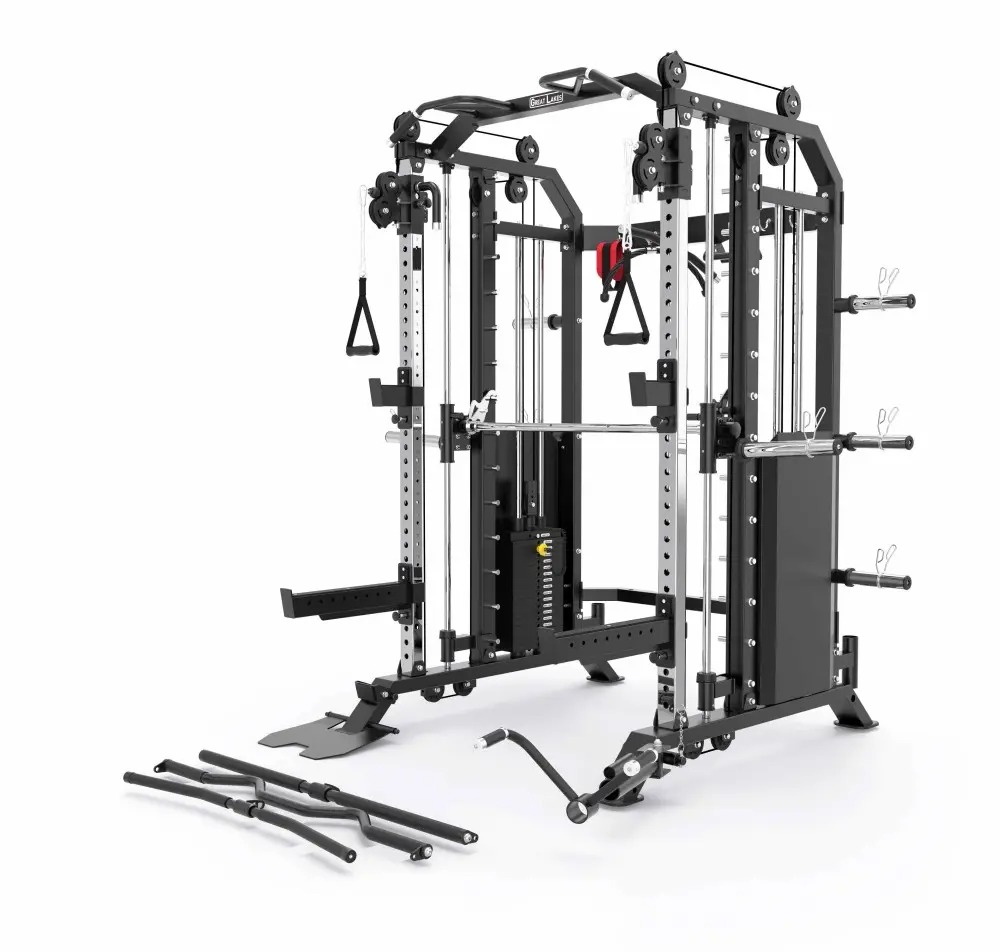
Walk into any serious gym or fitness center, and one thing remains constant regardless of how much technology has advanced: dumbbells occupy a prominent, central position on the training floor. From boutique studios to large commercial facilities, dumbbells are not merely a legacy fixture — they are a deliberate design choice that reflects how effective strength training actually works. Understanding why dumbbells continue to anchor modern layouts means looking at both the training science and the operational logic that gym designers and facility managers rely on every day.
Dumbbells have been at the core of resistance training for centuries, and their relevance has only grown stronger as modern fitness science validates what experienced coaches already knew. They provide unilateral training benefits, encourage natural joint movement, and allow people of all fitness levels to train effectively side by side. These qualities make dumbbells not just useful, but strategically indispensable in any well-designed strength training environment.
The Training Versatility That Makes Dumbbells Irreplaceable
Full-Body Training With a Single Tool
One of the strongest reasons dumbbells remain central to strength training layouts is their extraordinary range of application. Dumbbells support exercises targeting every major muscle group — chest, back, shoulders, arms, core, and legs — without requiring a user to move between multiple machines or stations. This versatility reduces equipment redundancy, which is a significant advantage for facility managers trying to maximize usable floor space while maintaining high training value.
Dumbbells also accommodate progressive overload naturally. As a user builds strength, they simply move to a heavier set of dumbbells. This linear progression is fundamental to strength development, and dumbbells make it seamless. No attachments, no reconfiguration — just grab the next pair and continue training. Few pieces of equipment offer this combination of breadth and simplicity as effectively as dumbbells do.
Supporting Unilateral Movement and Injury Prevention
Unlike barbells or many cable machines, dumbbells allow each limb to work independently. This unilateral training advantage is critical for addressing muscle imbalances, which are one of the most common contributors to long-term injury in regular gym-goers. When strength coaches and physical therapists design corrective or performance programs, dumbbells are consistently part of the protocol because they expose and correct asymmetries that bilateral equipment can mask.
This makes dumbbells not only a training tool but a long-term health investment for gym members. Facilities that position dumbbells prominently communicate that their programming is sophisticated and member-focused, reinforcing the perceived value of the gym environment itself.
Spatial and Operational Logic Behind Dumbbell-Centered Layouts
Efficient Floor Use and High Member Density
From a facility design perspective, dumbbells offer a remarkably high training value per square meter. A well-organized dumbbell rack system can house dozens of weight increments in a compact footprint, allowing multiple members to train simultaneously in a relatively small zone. This density efficiency is why commercial gyms consistently dedicate premium floor space to dumbbells rather than expanding machine zones.
Dumbbells also require no electrical connections, no maintenance contracts, and no software updates. Their operational simplicity means they generate revenue reliably without ongoing overhead. For gym operators comparing the long-term cost-benefit ratio of different equipment categories, dumbbells consistently come out among the strongest performers because their utility does not degrade over time.
Accommodating All Member Skill Levels
A defining characteristic of dumbbells is their accessibility across skill levels. Beginners can start with very light dumbbells to build foundational movement patterns, while advanced athletes can challenge themselves with heavy dumbbells in complex compound lifts. This makes the dumbbell zone the most universally used area of any gym floor, drawing foot traffic from every member demographic throughout the day.
When gyms place dumbbells in a central, high-visibility location, they create a natural hub for member activity. This positioning improves energy and perceived busyness on the floor, which directly influences member satisfaction and retention. The logic is straightforward: dumbbells attract the most users, so they should occupy the most strategic position in the facility layout.
Long-Term Value and the Role of Proper Storage
Durability and Return on Investment
Dumbbells are among the most durable pieces of gym equipment available. Quality commercial dumbbells, when properly stored and maintained, can last decades with minimal wear. This longevity makes the upfront investment in a comprehensive dumbbell set highly defensible from a financial planning standpoint. The cost per use over the lifetime of a quality set of dumbbells is extremely low compared to machines or cable systems that require servicing.
The durability of dumbbells also means that facilities can build their inventory gradually, adding heavier dumbbells as their member base grows and demands more advanced training options. This scalability makes dumbbells a practical fit for gyms at every stage of development, from new boutique studios to established large-scale facilities expanding their strength zones.
Storage Solutions That Protect Equipment and Members
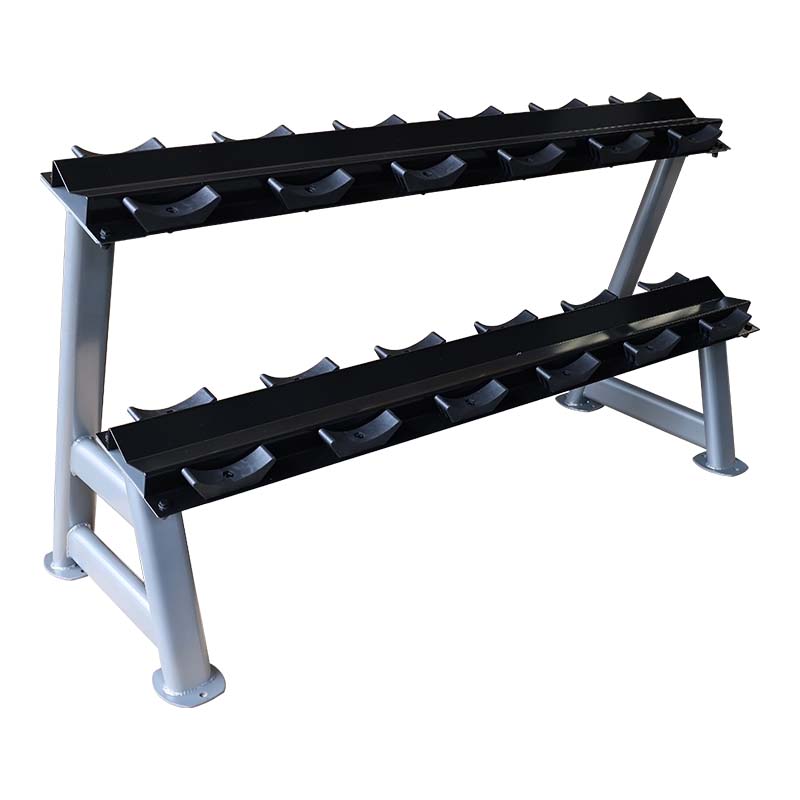
The way dumbbells are stored has a direct impact on both equipment longevity and member safety. Dumbbells left on the floor create hazards, and disorganized storage leads to faster wear on the equipment surfaces. This is why purpose-built storage racks are not optional in professional gym design — they are a functional necessity. A well-designed dumbbells storage system keeps weights organized, visible, and easily accessible, enabling smooth member flow and reducing the time members spend looking for the right weight.
Proper storage also signals professionalism to gym members. When dumbbells are neatly racked, clearly labeled by weight, and positioned ergonomically, it creates a positive training environment that reflects well on the facility overall. Gym operators who invest in quality dumbbell storage find that it directly contributes to the cleanliness and order that members cite as key reasons for renewing their memberships.
FAQ
Why are dumbbells considered more versatile than machines?
Dumbbells allow free movement in multiple planes, which machines typically restrict. This means dumbbells can be used for a wider range of exercises, including stabilization work that machines cannot replicate. The functional movement patterns supported by dumbbells transfer more directly to real-world and sport-specific strength demands than most fixed-path machine exercises.
How many sets of dumbbells does a commercial gym typically need?
Most commercial gyms provide dumbbells ranging from 2.5 kg or 5 lb up to 50 kg or 110 lb in incremental steps. The specific range depends on the membership demographic and the training programs offered. Facilities serving a broad general population typically invest in a full incremental range, while performance-focused gyms may extend the upper limit of their dumbbell inventory to meet the needs of advanced athletes.
What is the best way to organize dumbbells in a gym layout?
The most effective approach is to arrange dumbbells on dedicated racks in ascending weight order, typically in a visible and central floor location. Keeping dumbbells grouped in pairs and clearly labeled by weight reduces search time and keeps the training area tidy. Pairing the dumbbell zone with adequate open floor space in front of the racks allows members to use dumbbells comfortably without congestion.