 EN
EN

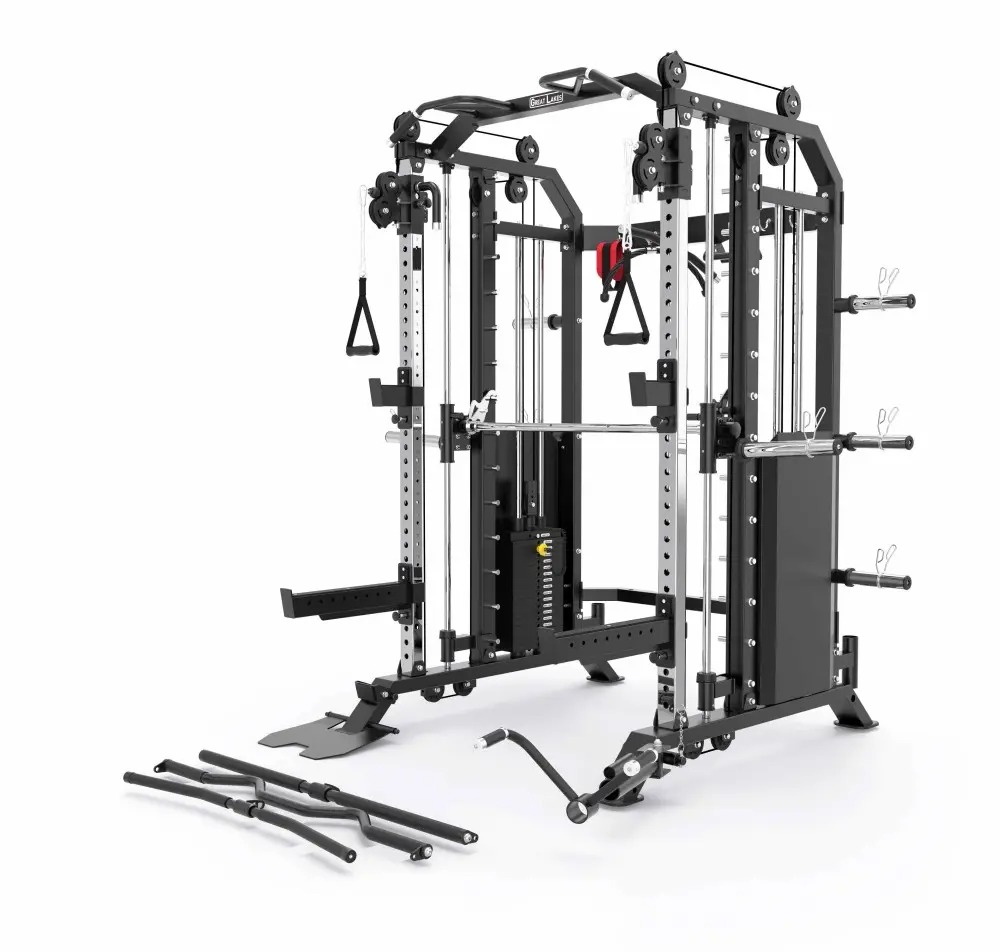
Commercial gyms are undergoing a fundamental shift in how they approach functional training, and dumbbells are at the center of that transformation. Once considered basic supporting tools, dumbbells have evolved into a cornerstone of modern gym programming. As members demand more versatile, performance-driven workouts, gym operators are recognizing that a well-equipped dumbbells station is no longer optional — it is essential infrastructure.
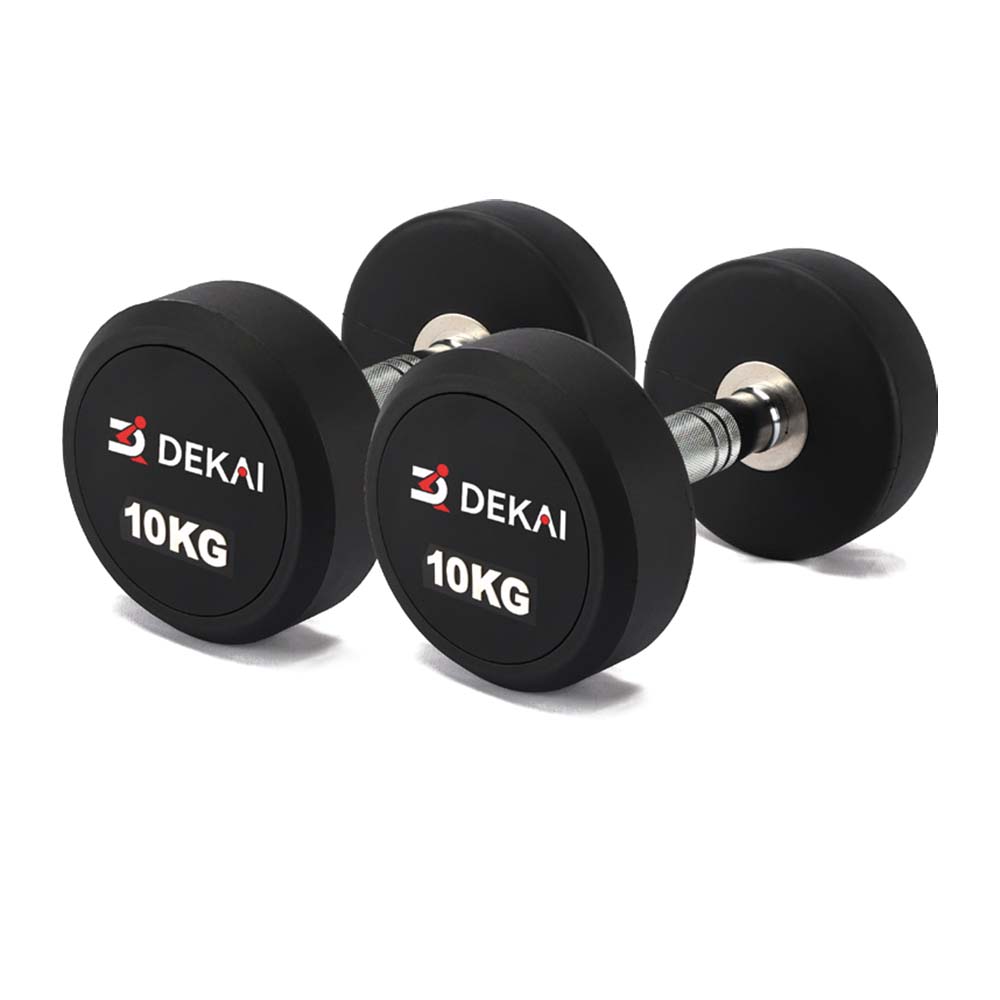
The resurgence of functional training has created renewed demand for dumbbells across fitness facilities of every size. From boutique studios to large-scale commercial gyms, dumbbells are being repositioned not just as free weights, but as multi-purpose tools that support strength, mobility, conditioning, and rehabilitation. Understanding how dumbbells are reshaping functional training helps gym managers, procurement professionals, and fitness directors make smarter decisions about their floor layouts and equipment budgets.
The Role of Dumbbells in Modern Functional Training
Versatility That Machines Cannot Replicate
Functional training is built around movement patterns that mimic real-life activities — pushing, pulling, hinging, rotating, and carrying. Dumbbells are uniquely suited to these patterns because they allow free, unrestricted movement through multiple planes of motion. Unlike fixed resistance machines, dumbbells require the body to stabilize itself during each movement, engaging secondary muscle groups and improving neuromuscular coordination. This makes dumbbells a far more efficient tool for functional outcomes than single-axis machines.
In a commercial gym setting, dumbbells also offer unmatched scalability. A single rack of dumbbells can serve beginners working on basic strength and advanced athletes performing complex unilateral movements. Members performing Romanian deadlifts, single-arm rows, lateral raises, and step-up presses can all use dumbbells from the same station. This versatility dramatically improves floor efficiency, which is a key concern for gym operators managing limited space.
Dumbbells as a Foundation for Group and Personal Training
Group fitness and personal training sessions rely heavily on dumbbells because they are easy to distribute, quick to adjust, and safe to use across mixed-ability groups. Trainers can design entire 45-minute sessions using only dumbbells, cycling through compound and isolation movements without needing additional equipment. This reduces setup time, increases session intensity, and keeps class participants engaged. For personal training, dumbbells provide the fine-grained resistance progression necessary to support individualized programming across weeks and months of client development.
How Commercial Gyms Are Rethinking Dumbbells Investment
Shifting From Minimal to Comprehensive Dumbbell Ranges
Historically, many commercial gyms stocked only a limited range of dumbbells, often stopping at weights that appealed to average recreational users. Today, that approach is changing rapidly. Operators are investing in comprehensive dumbbell ranges that extend from very light options for rehabilitation and warm-up work to heavy sets that support advanced strength training. A complete dumbbells offering signals to members that the facility is serious about performance, not just casual use.
Rubber-coated dumbbells have become particularly popular in commercial settings because they protect flooring, reduce noise, and withstand the heavy daily use that characterizes busy gym environments. The shift toward rubber dumbbells reflects a broader understanding that equipment durability directly affects long-term operating costs. Gym operators who invest in quality dumbbells upfront typically see lower replacement rates, fewer member complaints, and higher equipment satisfaction scores in feedback surveys.
Space Planning and Dumbbells Station Design
As functional training zones grow in commercial gyms, so does the intentionality behind dumbbells station design. Modern gym layouts position dumbbells in open areas with ample floor space surrounding the rack, allowing members to perform lunges, carries, floor presses, and dynamic movements without restriction. Mirror placement, mat coverage, and lighting are all being optimized around the dumbbells zone because operators recognize that this is often the most active and most photographed area of the gym floor.
Rack configuration also matters. Horizontal racks that display dumbbells in ascending weight order support member self-service and reduce the chance of misplaced weights. Compact vertical racks are preferred in tighter spaces. The ergonomics of how members interact with dumbbells — from picking up a pair to returning them safely — affect both the flow of the gym floor and the overall member experience. Thoughtful dumbbells station design is now a genuine competitive differentiator among commercial facilities.
Member Behavior and the Dumbbells Effect on Retention
Why Members Gravitate Toward Dumbbells
Members gravitate toward dumbbells for a combination of reasons: familiarity, autonomy, and perceived effectiveness. Dumbbells require no setup, no machine adjustment, and no waiting for a specific station to become available in the way barbell racks sometimes do. Members can build a complete workout using dumbbells alone, which reduces friction in their training routine and keeps visit frequency high. From a retention standpoint, lower friction means stronger habits, and stronger habits mean longer memberships.
Dumbbells also support the growing segment of members who follow online training programs or work with remote coaches. These programs frequently prescribe dumbbell-based movements because they are accessible, safe, and effective across a wide range of training ages. When a commercial gym stocks dumbbells across a full weight range, it becomes compatible with almost any program a member might bring through the door. This compatibility is a quiet but powerful driver of member satisfaction and gym loyalty.
Dumbbells and the Rise of Hybrid Training Formats
Hybrid training — blending strength, cardio, and mobility in a single session — is one of the fastest-growing formats in commercial gyms. Dumbbells are integral to this format because they can be used continuously across all three phases without the member leaving the training zone. A circuit that moves from dumbbell goblet squats to dumbbell thrusters to dumbbell Romanian deadlifts keeps intensity high and rest periods productive. Dumbbells make hybrid training practical at scale in a commercial environment where variety and efficiency are both non-negotiable.
FAQ
What weight range of dumbbells should a commercial gym stock?
Most commercial gyms benefit from stocking dumbbells in a range from 2 kg to at least 50 kg, with increments of 2 kg or 2.5 kg in lighter ranges and larger increments in heavier sets. The specific range should reflect the training demographic of the facility and the types of programs the gym supports.
How often should commercial gym dumbbells be replaced?
High-quality rubber dumbbells used in commercial settings typically last five to ten years with proper care. Regular inspections for cracked rubber, loose heads, or damaged knurling are important. Replacement schedules depend on usage intensity, maintenance practices, and the original quality of the dumbbells purchased.
Why are rubber dumbbells preferred over chrome or iron in commercial gyms?
Rubber dumbbells offer superior floor protection, reduced noise levels, and greater durability under heavy daily use. In commercial environments where dumbbells are dropped, stacked, and handled by dozens of members each day, the rubber coating significantly extends equipment lifespan and reduces maintenance costs compared to chrome or bare iron alternatives.