 EN
EN

In any multi-user training facility, equipment choices directly shape the quality of the workout experience. Among all free weights and resistance tools available, dumbbells consistently stand out as the most versatile and indispensable option. Whether a facility serves competitive athletes, casual gym-goers, rehabilitation patients, or corporate wellness members, dumbbells meet an exceptionally broad range of training needs within a single compact format.
Facilities that accommodate multiple users simultaneously face unique operational demands. Equipment must handle high-frequency use, support varied fitness levels, and occupy floor space efficiently. Dumbbells fulfill all three of these requirements reliably, which explains why facility managers and fitness directors consistently prioritize them when outfitting commercial training spaces. Understanding the specific reasons dumbbells remain a cornerstone of multi-user environments helps operators make smarter procurement and layout decisions.
The Versatility That Makes Dumbbells Irreplaceable
Supporting Every Fitness Level Simultaneously
One of the most compelling reasons dumbbells dominate multi-user facilities is their ability to serve users at every fitness level without modification or reconfiguration. A beginner performing light lateral raises and an experienced lifter completing heavy Romanian deadlifts can both use dumbbells at the same time, drawing from the same rack without interference. This parallel usability is something that most machines simply cannot offer. Dumbbells scale naturally with the user, requiring no setup time, no pin adjustments, and no technical instruction for basic use.
Commercial facilities often serve members with dramatically different strength baselines. Providing dumbbells in a complete weight range, typically from two kilograms up to fifty kilograms or beyond, ensures that no member is left without appropriate resistance options. This inclusivity reduces equipment bottlenecks during peak hours and keeps user satisfaction high across the entire membership base.
Enabling a Wide Range of Training Modalities
Dumbbells are not limited to traditional strength training. They are equally effective in circuit training, HIIT sessions, functional movement drills, warm-up routines, and mobility work. A single pair of dumbbells can support pressing, pulling, hinging, rotating, and stabilizing movements. This breadth of application means that dumbbells generate more training value per square meter of floor space than almost any other piece of equipment. For a facility trying to serve diverse programming needs, dumbbells provide the foundational flexibility that makes varied class offerings and personal training sessions possible.
Operational Efficiency in High-Traffic Environments
Durability and Low Maintenance Requirements
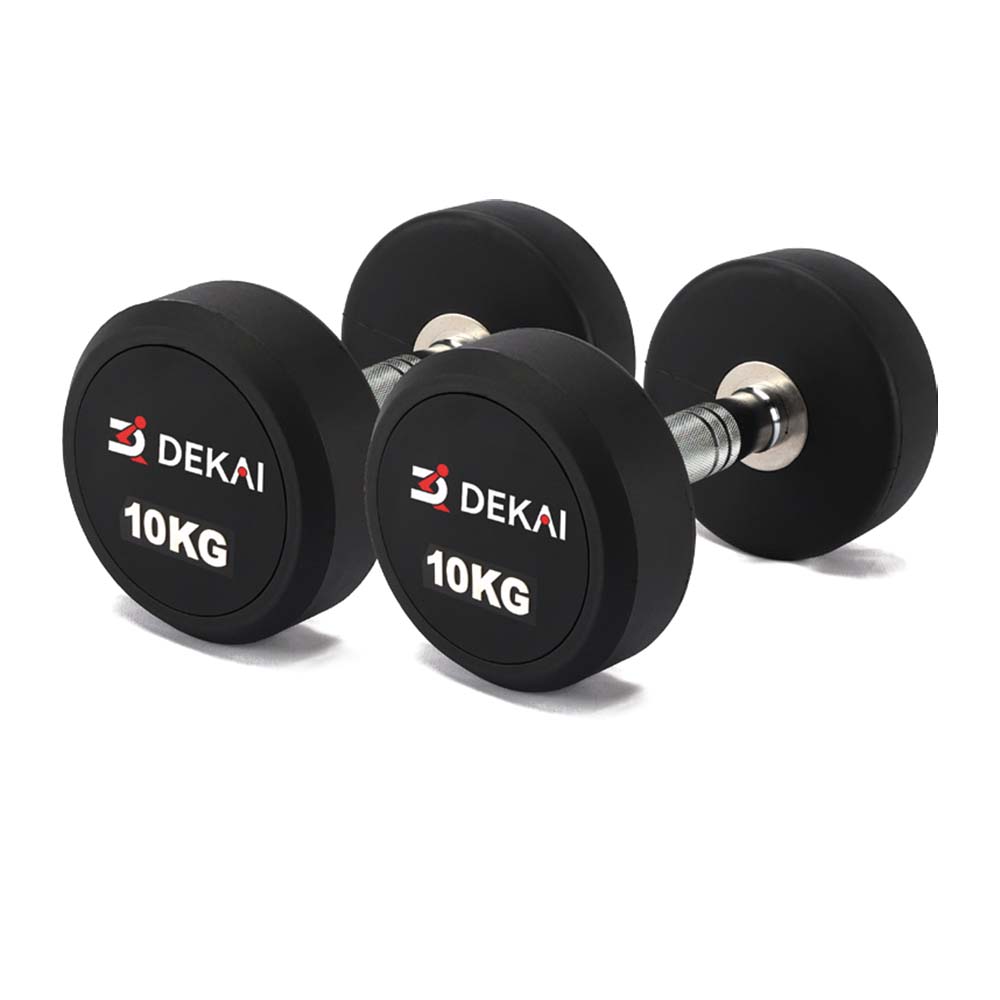
In facilities where equipment is used by dozens or even hundreds of people each day, durability is a non-negotiable requirement. Dumbbells, particularly rubber-coated commercial models, are engineered to withstand continuous heavy use. Their construction minimizes the risk of floor damage, reduces noise from accidental drops, and maintains structural integrity over years of daily operation. Unlike machines with cables, pulleys, or electronic components, dumbbells have no mechanical parts that can fail. This dramatically reduces maintenance costs and equipment downtime.
Facility operators benefit directly from the low-maintenance nature of dumbbells. Staff time is not consumed by equipment repairs or calibration. Members experience consistent availability because dumbbells are rarely out of service. This operational reliability is a significant competitive advantage for facilities managing tight budgets and high membership volumes simultaneously.
Space Efficiency and Floor Plan Flexibility
Dumbbells require far less dedicated floor space than resistance machines of comparable training value. A well-organized dumbbell rack system can provide an entire free weights zone within a fraction of the space a comparable machine circuit would occupy. This efficiency gives facility designers greater flexibility when planning layouts, allowing for larger open training areas, group class zones, and dedicated stretching spaces. Dumbbells also allow facilities to adapt quickly to new programming trends without major equipment purchases or floor plan overhauls.
The compact nature of dumbbells also supports satellite facility models, such as corporate gyms, hotel fitness centers, and rehabilitation studios, where space is limited but training quality must remain high. In these environments, dumbbells often form the core of the entire resistance training offering, demonstrating just how much value they deliver relative to their physical footprint.
User Experience and Training Outcomes
Promoting Natural Movement and Injury Reduction
Unlike fixed-axis machines, dumbbells require the user to stabilize and control the load through the full range of motion. This bilateral independence means each limb works independently, helping to identify and correct strength imbalances that machines often mask. For multi-user facilities that serve a mixed population including older adults, rehabilitation clients, and general fitness members, this attribute is particularly valuable. Dumbbells encourage natural joint mechanics, which supports long-term training sustainability and reduces injury risk.
Personal trainers and group fitness coaches also favor dumbbells because they allow real-time adjustments during sessions. If a client struggles with a particular movement pattern, the trainer can immediately modify the load or switch to a different dumbbell exercise without disrupting the flow of the session. This adaptability makes dumbbells a preferred coaching tool across multiple training disciplines.
Engagement and Member Retention Value
Member retention is a top priority for any commercial training facility. Equipment that members enjoy using contributes directly to retention rates. Dumbbells offer a tactile, immediate, and empowering training experience that many members find more satisfying than machine-based workouts. The ability to progress gradually in small increments keeps training goals achievable and motivating. Facilities that invest in a complete, well-maintained set of dumbbells signal professionalism and commitment to member outcomes, reinforcing the perceived value of the membership.
When members see a full dumbbell selection consistently available and properly maintained, their confidence in the facility grows. This perception translates into renewals, referrals, and positive reviews, all of which matter enormously in competitive fitness markets. Dumbbells are not merely equipment; they are a visible indicator of facility quality and operational seriousness.
FAQ
What weight range of dumbbells should a multi-user gym provide?
A well-equipped multi-user facility should ideally stock dumbbells from two kilograms up to at least fifty kilograms, with increments of two kilograms for lighter weights and five kilograms for heavier ones. This range accommodates beginners through advanced lifters and supports rehabilitation as well as strength training programs simultaneously.
Why are rubber-coated dumbbells preferred for commercial facilities?
Rubber-coated dumbbells offer superior floor protection, reduced noise levels, and improved durability compared to chrome or iron alternatives. In high-traffic commercial environments where dumbbells are frequently picked up and set down, rubber construction minimizes damage to flooring and extends the lifespan of the equipment significantly.
How many sets of dumbbells does a commercial gym typically need?
The appropriate number of dumbbell sets depends on peak membership usage patterns and facility size. Most commercial gyms start with one to three pairs per weight increment for lighter and mid-range weights, and one to two pairs for heavier dumbbells. Facilities with high peak-hour traffic may need to scale up to ensure availability during busy periods.