 EN
EN

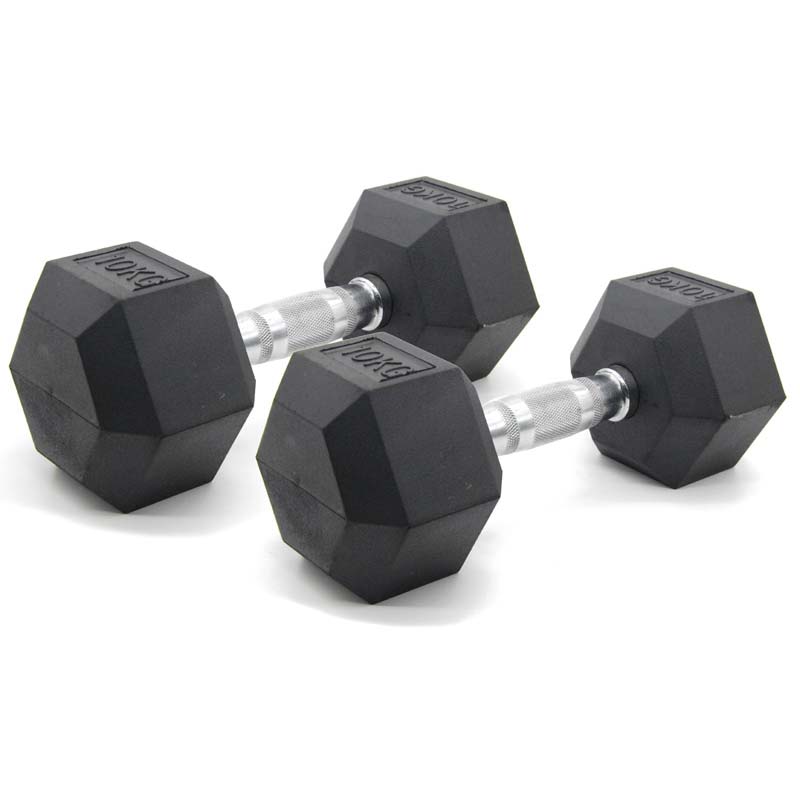
In any well-designed functional workout zone, stability is not a secondary concern — it is the foundation of safe, effective training. hex dumbbells have become the standard choice for commercial gyms, fitness studios, and functional training areas precisely because their geometry solves the core stability problem that round dumbbells cannot. When hex dumbbells are placed on the floor, set on a rack, or used in complex movement patterns, their six-sided shape prevents rolling, reduces hazards, and provides a predictable base for athletes at every level.
Functional workout zones are high-traffic, dynamic environments where multiple exercises happen simultaneously and equipment is picked up, set down, and repositioned constantly. In these conditions, hex dumbbells outperform traditional round dumbbells by staying exactly where they are placed. This article examines how hex dumbbells contribute to floor stability, movement performance, and the overall safety architecture of a functional training space.
The Geometry Behind Hex Dumbbell Stability
Why the Six-Sided Shape Matters
The defining feature of hex dumbbells is their hexagonal head shape. Unlike round dumbbells, which can roll freely on any surface, hex dumbbells stay flat on the floor because two of their six flat faces naturally rest against the ground. This is not a minor design detail — it is the central engineering reason why hex dumbbells are the preferred tool in functional zones where equipment must remain stationary between sets. When a trainer sets hex dumbbells down during a circuit, there is no risk of the weights rolling under a treadmill or into a neighboring athlete's path.
This geometric stability also makes hex dumbbells ideal for floor-based exercises such as renegade rows, push-up variations, and plank holds. During these movements, the athlete places their hands directly on the hex dumbbells, requiring the weights to serve as a stable platform rather than just a resistance tool. The flat faces of hex dumbbells distribute body weight evenly, reduce wrist strain, and allow neutral grip alignment that round dumbbells simply cannot replicate on the floor.
Surface Contact and Load Distribution
Hex dumbbells provide a larger contact area with the floor compared to round dumbbells. This increased surface contact lowers the center of gravity of the hex dumbbells when placed on any flat surface, making them far less likely to tip or shift when nudged. In a busy functional zone where equipment is frequently repositioned, this characteristic of hex dumbbells reduces the likelihood of accidents and keeps the workout area organized and predictable. Commercial gym operators consistently choose hex dumbbells for high-use zones because the floor stability reduces equipment damage and lowers liability risk.
Hex Dumbbells in Movement-Intensive Exercises
Supporting Multi-Plane Functional Movements
Functional training involves multi-directional, multi-plane movements that challenge balance, coordination, and strength simultaneously. Hex dumbbells are uniquely suited to this training style because their shape allows athletes to transition between exercises without losing control of the equipment. When performing a dumbbell thruster, a lateral lunge with a press, or a single-leg deadlift, the athlete needs hex dumbbells that respond predictably to grip changes and positional shifts. The flat-edged handle zone on most hex dumbbells also ensures consistent grip contact regardless of wrist angle.
Athletes who use hex dumbbells in combination exercises — such as a bicep curl into an overhead press — benefit from the solid, non-shifting feel of the hexagonal head. Hex dumbbells do not rotate unpredictably in the hand the way some round dumbbells do when the grip shifts during movement. This predictability reduces compensation patterns, keeps the stabilizer muscles engaged appropriately, and lowers the risk of joint strain in the wrists, elbows, and shoulders during complex movements.
Floor Work and Body-Weight Integration
One of the most valued applications of hex dumbbells in functional zones is their role in floor work. Hex dumbbells used as push-up handles allow the wrists to remain in a neutral or semi-neutral position, which reduces the compressive load on the wrist joint compared to flat-palm push-ups. Coaches and physical therapists frequently recommend hex dumbbells for clients who are rehabbing wrist or shoulder injuries and still need to perform pushing movements. The stable base of hex dumbbells on the floor creates a platform that supports progressive loading safely.
In renegade row progressions, the stability of hex dumbbells is non-negotiable. The athlete is in a plank position with each hand on a hex dumbbell, alternating rows while resisting rotation. Any instability in the dumbbell under the support hand would cause a chain reaction of balance disruption through the shoulder, core, and hips. Hex dumbbells eliminate that instability and allow the athlete to focus entirely on the anti-rotation demand of the exercise.
Hex Dumbbells and Functional Zone Layout
Rack Organization and Zone Flow
Beyond individual exercise performance, hex dumbbells improve the spatial organization of functional workout zones. Because hex dumbbells stack neatly and lie flat on tiered racks, they maximize storage density and make it easy for users to identify weights at a glance. Round dumbbells can shift on racks and create uneven gaps, while hex dumbbells maintain consistent spacing. This layout efficiency matters in commercial facilities where a functional zone must accommodate multiple users training simultaneously without equipment conflicts.
Gym designers and fitness facility managers who specify hex dumbbells for their functional zones find that the inherent order hex dumbbells create on the floor and on racks reduces setup time between classes and minimizes the need for staff to reorganize equipment throughout the day. Hex dumbbells placed on the floor between sets remain where they are left, which keeps traffic lanes clear and reduces trip hazards significantly in high-density training environments.
Durability and Surface Protection
Rubber-coated hex dumbbells provide an additional layer of stability benefit through surface friction. The rubber coating on quality hex dumbbells grips both floor surfaces and rack materials, preventing the subtle sliding that can occur with chrome or bare iron dumbbells. This friction-based stability means hex dumbbells are safer on rubber flooring, wood platforms, and turf surfaces commonly found in functional zones. The rubber coating also protects the floor from impact damage when hex dumbbells are set down firmly, extending the life of both the equipment and the facility's flooring investment.
FAQ
Why are hex dumbbells preferred over round dumbbells in functional training zones?
Hex dumbbells are preferred because their six-sided heads prevent rolling on the floor, provide a stable base for exercises like renegade rows and push-up variations, and remain organized on racks and floor surfaces. This stability makes hex dumbbells safer and more practical in high-traffic functional zones than round dumbbells.
Can hex dumbbells be used safely on all types of gym flooring?
Yes, rubber-coated hex dumbbells perform well on rubber flooring, turf, wood platforms, and foam surfaces. The rubber coating adds friction that prevents sliding, and the flat faces of hex dumbbells distribute load evenly, reducing floor indentation and impact damage across common functional zone surfaces.
What weight range of hex dumbbells is most suitable for a functional workout zone?
Most functional zones benefit from stocking hex dumbbells ranging from 5 lbs to 50 lbs or more, depending on the fitness levels of the users. A comprehensive set of hex dumbbells in consistent increments allows coaches to program progressive overload effectively and ensures that hex dumbbells are available for every exercise in a circuit-based session.