 EN
EN

When designing or equipping an athletic conditioning space, every equipment choice carries real consequences for safety, workflow, and long-term performance. Among the most consistently selected tools across commercial gyms, sports training facilities, and high-performance conditioning floors, hex dumbbells stand out as a clear preferred option. Their unique combination of practical design and functional versatility makes hex dumbbells a foundational element rather than a secondary accessory.
Athletic conditioning spaces have distinct demands that differ sharply from casual fitness environments. Equipment must endure high-frequency use, resist damage from drops and impacts, and support a wide spectrum of movement patterns without creating hazards. Hex dumbbells consistently meet these standards, which explains why conditioning coaches, strength trainers, and facility managers repeatedly choose hex dumbbells over alternative dumbbell styles when outfitting professional training environments.
The Structural Advantage of Hex Dumbbells
Flat-Sided Design Prevents Rolling Hazards
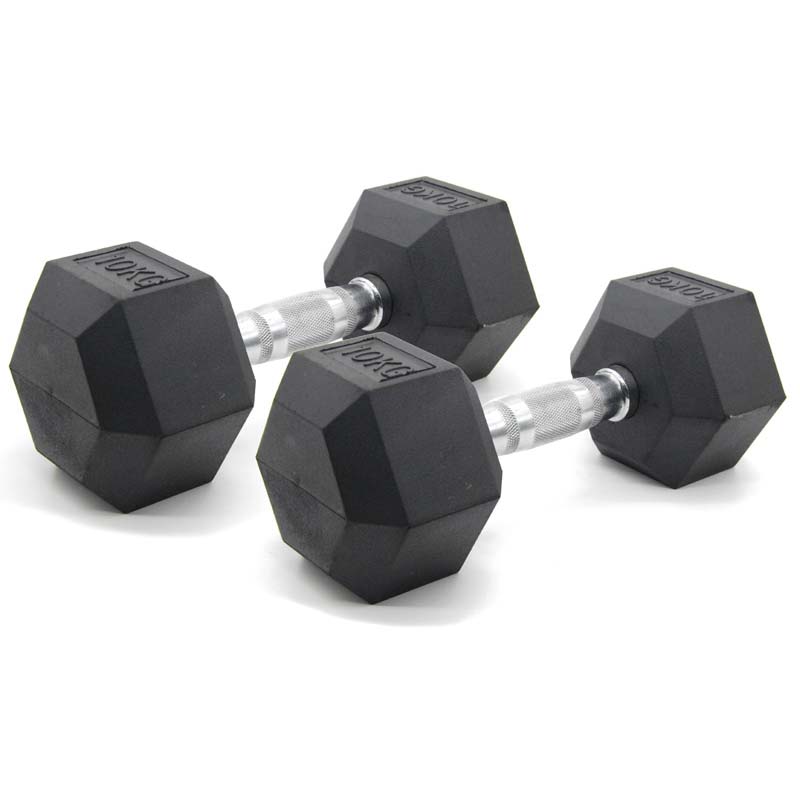
The defining physical trait of hex dumbbells is their six-sided head geometry. Unlike round dumbbells that roll freely across any angled surface, hex dumbbells remain stationary when placed on the floor. In an athletic conditioning space where multiple athletes train simultaneously, a rolling dumbbell creates a genuine injury risk. Hex dumbbells eliminate that hazard entirely, allowing athletes and coaches to move freely without concern about unsecured weights shifting underfoot.
This flat-sided stability also supports specific exercise techniques. Push-up variations performed directly on hex dumbbells benefit from the locked position that hex dumbbells naturally provide. Renegade rows, plank-to-press sequences, and other ground-contact movements are safer and more controlled when hex dumbbells remain firmly planted. The structural design directly enhances training quality, not just storage safety.
Durable Construction for High-Volume Environments
Hex dumbbells built for commercial conditioning spaces typically feature rubber-encased or urethane-coated heads bonded to a steel core. This construction allows hex dumbbells to absorb the impact of repeated drops without cracking, chipping, or losing shape integrity. Athletic conditioning environments involve constant movement, frequent weight transitions, and occasional accidental drops, all of which hex dumbbells are built to withstand. The rubber coating on hex dumbbells also protects flooring surfaces, reducing long-term wear on gym mats and wooden platforms. Facility managers appreciate that hex dumbbells contribute to lower maintenance costs over time compared to uncoated alternatives.
Functional Versatility in Conditioning Programs
Supporting Multi-Planar Athletic Movements
Athletic conditioning is not a single-plane activity. Coaches program lateral movements, rotational drills, overhead carries, and explosive power sequences that demand tools capable of adapting to diverse movement patterns. Hex dumbbells support this full range with ease. Their compact head design allows athletes to grip and maneuver hex dumbbells through dynamic sequences without the weight geometry interfering with natural movement arcs.
From kettlebell-style swings adapted for hex dumbbells to bilateral pressing and single-leg Romanian deadlifts, hex dumbbells integrate smoothly across conditioning circuits. Coaches designing metabolic conditioning blocks, strength-endurance intervals, and power development sessions all find hex dumbbells reliable tools that do not limit programming creativity. This broad functional compatibility is a primary reason conditioning specialists favor hex dumbbells over more specialized equipment that serves only narrow movement categories.
Seamless Circuit Training Integration
Circuit training is a core methodology in athletic conditioning, requiring athletes to transition quickly between stations with minimal rest. Hex dumbbells are ideal for this format because they can be set down between sets without rolling away, picked up again immediately without repositioning, and used for exercises targeting entirely different muscle groups within the same circuit. The predictable placement of hex dumbbells saves seconds at each transition, which compounds meaningfully across a full training session.
Groups of athletes cycling through conditioning circuits benefit from the organized footprint that hex dumbbells naturally create. When multiple pairs of hex dumbbells are arranged in a training zone, they stay exactly where coaches place them, reducing disorganization and keeping the floor environment controlled. This logistical reliability makes hex dumbbells a practical choice for any space where group athletic training occurs regularly.
Space Efficiency and Facility Management
Organized Storage for Busy Training Floors
Conditioning spaces must balance equipment availability with floor safety and spatial efficiency. Hex dumbbells stack and rack predictably due to their flat-sided geometry, making organized storage straightforward. Dedicated hex dumbbell racks hold hex dumbbells securely in a compact footprint, freeing floor space for movement-based work. Facility managers find that hex dumbbells integrate cleanly into rack systems without the instability risks associated with round-headed alternatives.
The visual tidiness of a properly racked hex dumbbell collection also supports athlete focus. A well-organized conditioning floor communicates professionalism and creates the mental environment athletes associate with serious training. Hex dumbbells contribute to that atmosphere not only through their functional performance but also through their consistent, orderly appearance when stored correctly.
Long-Term Value Across Facility Lifecycles
For facility operators evaluating equipment investments, hex dumbbells offer a compelling cost-to-durability ratio. Quality rubber hex dumbbells maintain their structural integrity and weight accuracy across years of intensive use. The encased construction prevents the weight material from degrading even under high-frequency conditioning loads. Facilities that invest in commercial-grade hex dumbbells rarely need to replace individual units due to damage, making hex dumbbells a high-value long-term asset for any athletic program.
Wholesale procurement of hex dumbbells in complete weight ranges further strengthens this value proposition. Conditioning programs that scale athlete loads progressively benefit from having a full spectrum of hex dumbbells available, and bulk sourcing keeps per-unit costs manageable while ensuring the entire collection maintains uniform quality and appearance.
FAQ
What makes hex dumbbells safer than round dumbbells in a conditioning space?
Hex dumbbells have flat-sided heads that prevent rolling when placed on the floor, eliminating a common trip and slip hazard. In busy conditioning environments with multiple athletes, this stability difference is significant for overall floor safety and injury prevention.
Are hex dumbbells suitable for all types of athletic conditioning exercises?
Yes, hex dumbbells support a wide range of conditioning exercises including pressing movements, carries, rows, lunges, swings, and ground-contact movements like push-up variations. Their design does not restrict movement patterns, making hex dumbbells adaptable across diverse training programs.
How should hex dumbbells be maintained in a commercial facility?
Rubber-coated hex dumbbells require minimal maintenance. Regular wiping with a mild disinfectant keeps hex dumbbells hygienic and prevents surface degradation. Inspect hex dumbbells periodically for handle grip wear or coating separation, and store hex dumbbells on proper racks to prevent unnecessary floor contact and edge wear.