Ergonomic Design and User-Friendly Access
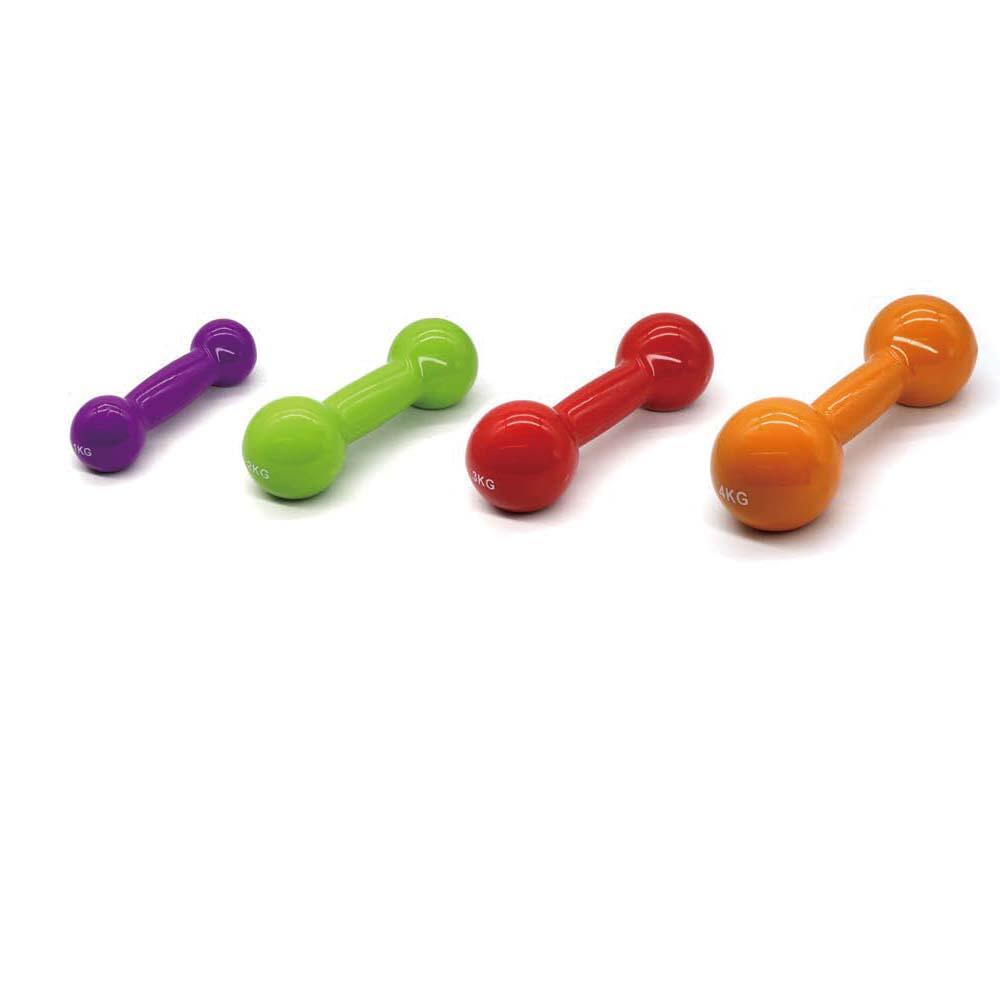
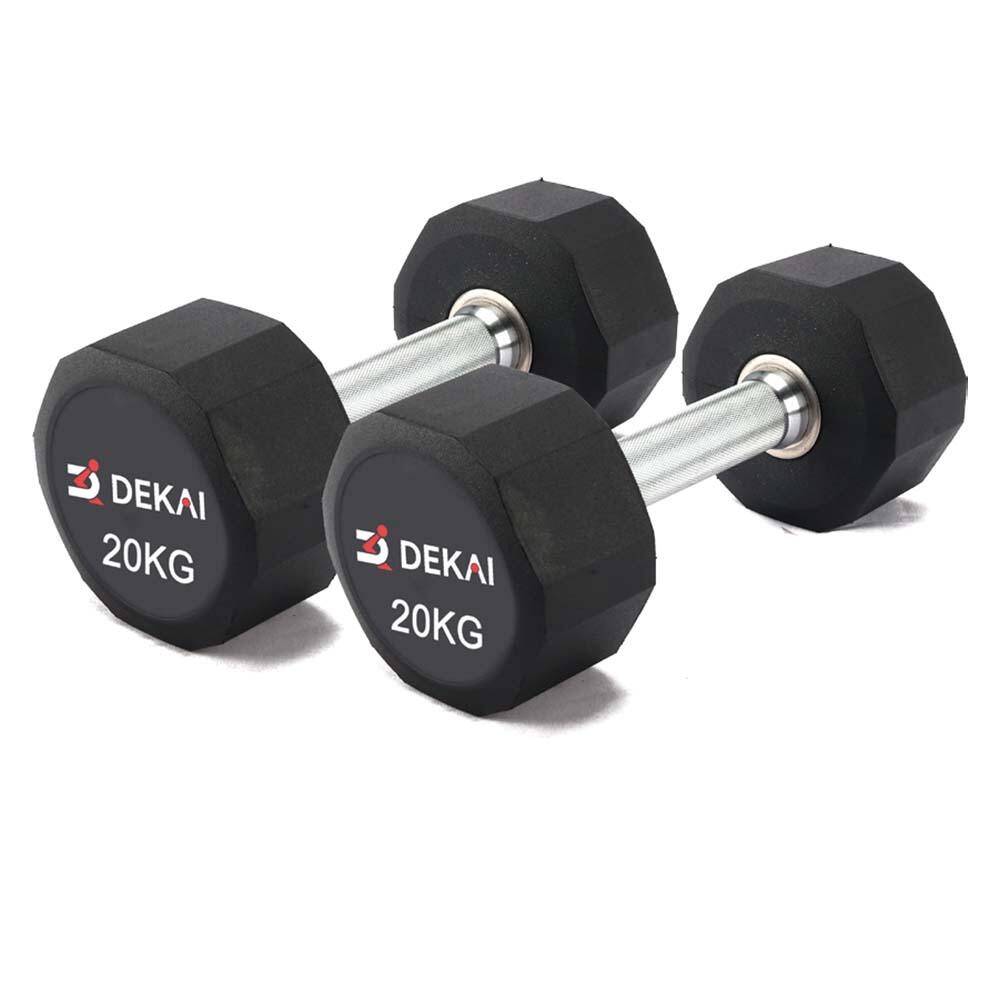
The ergonomic considerations embedded in modern gym dumbbell rack design directly impact user comfort, safety, and workout efficiency. Tiered shelving arrangements position lighter weights at higher levels and heavier dumbbells at lower heights, aligning with natural lifting mechanics that reduce strain during weight selection. The spacing between storage tiers accommodates the physical dimensions of various dumbbell styles, from compact hex designs to larger rubber-coated models, ensuring adequate clearance for easy removal and replacement. Angled cradles guide dumbbells into proper resting positions automatically, eliminating the need for precise placement that could slow workout momentum during high-intensity training sessions. The front-facing orientation of stored weights allows users to quickly scan available options and read weight markings without awkward positioning or excessive bending. Many gym dumbbell rack designs incorporate color-coded weight indicators or numerical labeling systems that enhance visibility and reduce selection errors, particularly beneficial in dimly lit studio environments or during crowded class sessions. The handle clearance provided by quality racks ensures users can grip dumbbells comfortably without knuckles contacting adjacent weights or rack structures. Accessibility features become particularly important in facilities serving diverse populations, including older adults and individuals with mobility limitations who benefit from thoughtfully positioned weight storage. The smooth surfaces and rounded edges characteristic of well-designed racks minimize injury risks from accidental contact during busy gym periods when multiple users access equipment simultaneously. Maintenance accessibility represents another ergonomic consideration, as racks with open designs facilitate easy cleaning of both the storage structure and the floor area beneath it. The intuitive organization promoted by effective gym dumbbell rack design reduces cognitive load on users, allowing them to focus mental energy on exercise execution rather than equipment location.


 EN
EN