Superior Value Proposition for Long-Term Investment
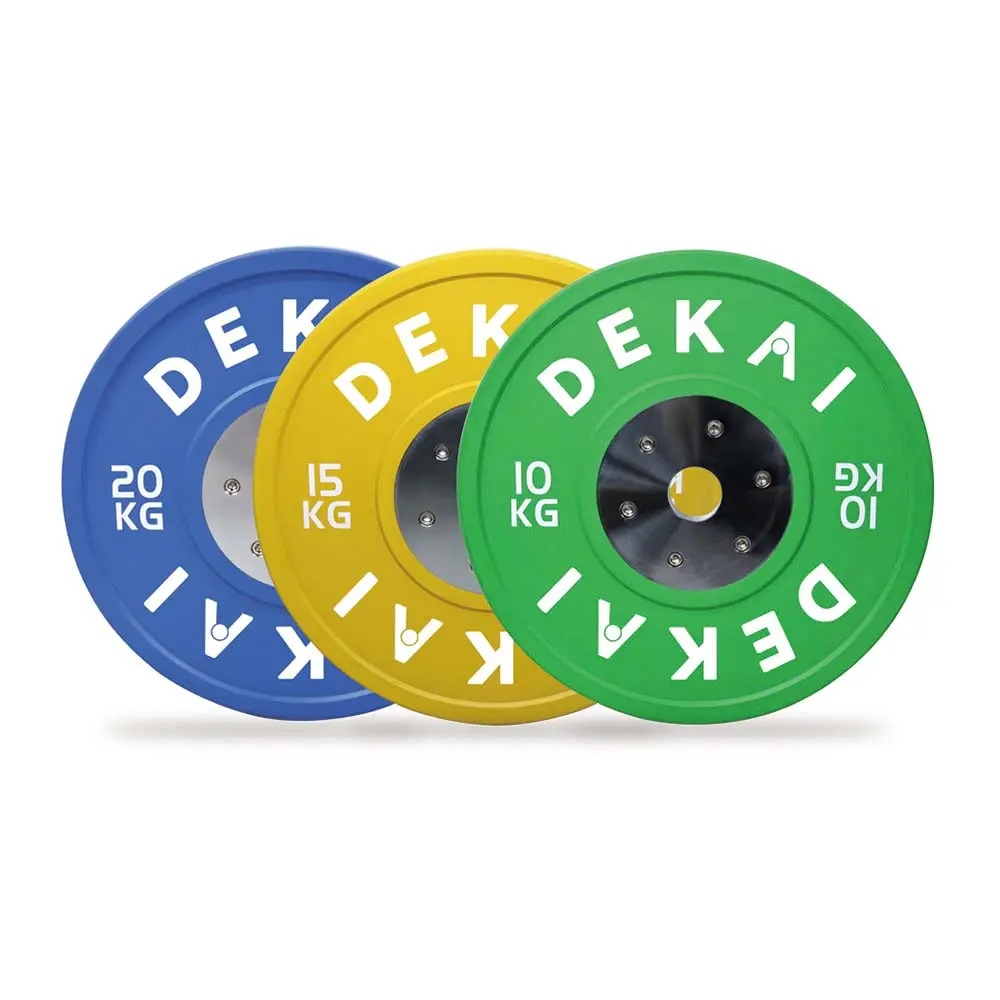
The economic advantages of gym plates steel become increasingly apparent when evaluating total cost of ownership over multi-year timeframes. While initial purchase prices for steel plates may appear comparable to or slightly higher than basic rubber-coated options, the extended lifespan and minimal maintenance requirements of quality steel construction deliver superior return on investment. Steel plates routinely provide decades of reliable service in commercial gym settings where daily usage by hundreds of members would quickly destroy lesser materials. This longevity eliminates the recurring replacement costs that accumulate with inferior products, making gym plates steel the financially prudent choice for serious training facilities and dedicated home gym builders. The resale value retention of gym plates steel surpasses virtually all alternative plate materials, as the used equipment market consistently demonstrates strong demand for quality steel plates. Lifters recognize that well-maintained steel plates perform identically to new ones, unlike rubber or urethane plates that degrade visibly and functionally over time. This secondary market strength provides financial flexibility for gym owners who may eventually upgrade or reconfigure their equipment selections, recovering substantial portions of their initial investments. The space efficiency of gym plates steel translates to reduced storage infrastructure costs, as their compact profiles require less racking and floor space compared to thicker bumper plate alternatives. Commercial facilities can stock comprehensive weight ranges within smaller footprints, maximizing revenue-generating training areas rather than dedicating excessive square footage to equipment storage. Home gym owners benefit similarly, fitting complete plate sets into corners, closets, or garage spaces that would struggle to accommodate bulkier plate styles. The maintenance cost advantages of gym plates steel stem from their simple construction and robust materials that resist common failure modes. Steel plates require no special cleaning products, climate control considerations, or protective measures beyond basic rust prevention in extremely humid environments. This simplicity contrasts sharply with rubber or urethane plates that may require specific cleaning agents to prevent material degradation, or bumper plates that need careful handling to avoid delamination of bonded components. The versatility of gym plates steel extends their value proposition by enabling use across multiple training modalities and equipment types. Beyond standard barbell applications, steel plates work effectively on plate-loaded machines, cable systems with plate-horn attachments, and various functional training implements, maximizing equipment utilization and eliminating needs for specialized weight variants.


 EN
EN