gym bumper plates
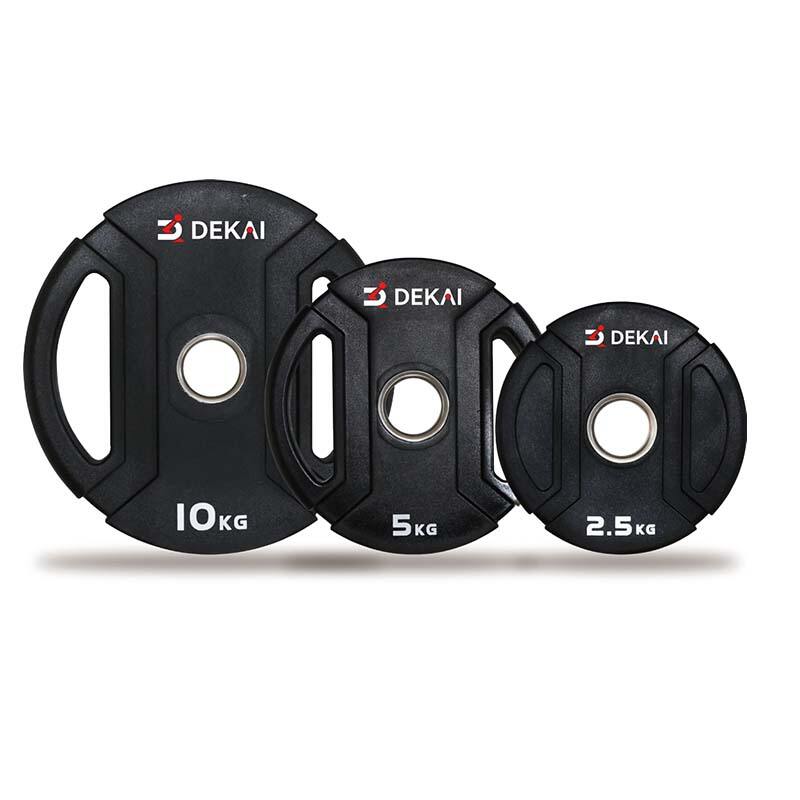
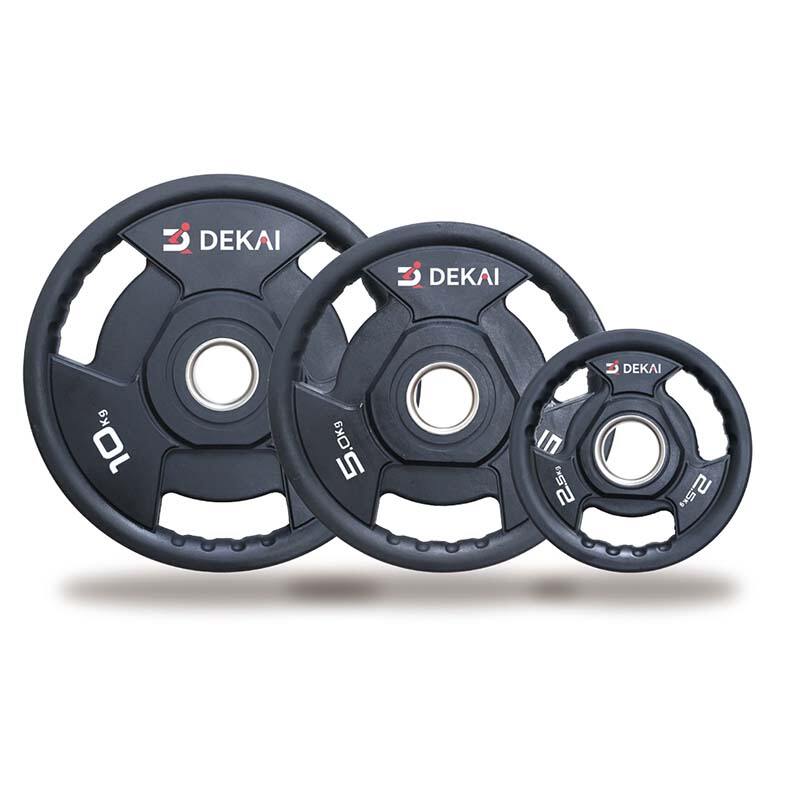
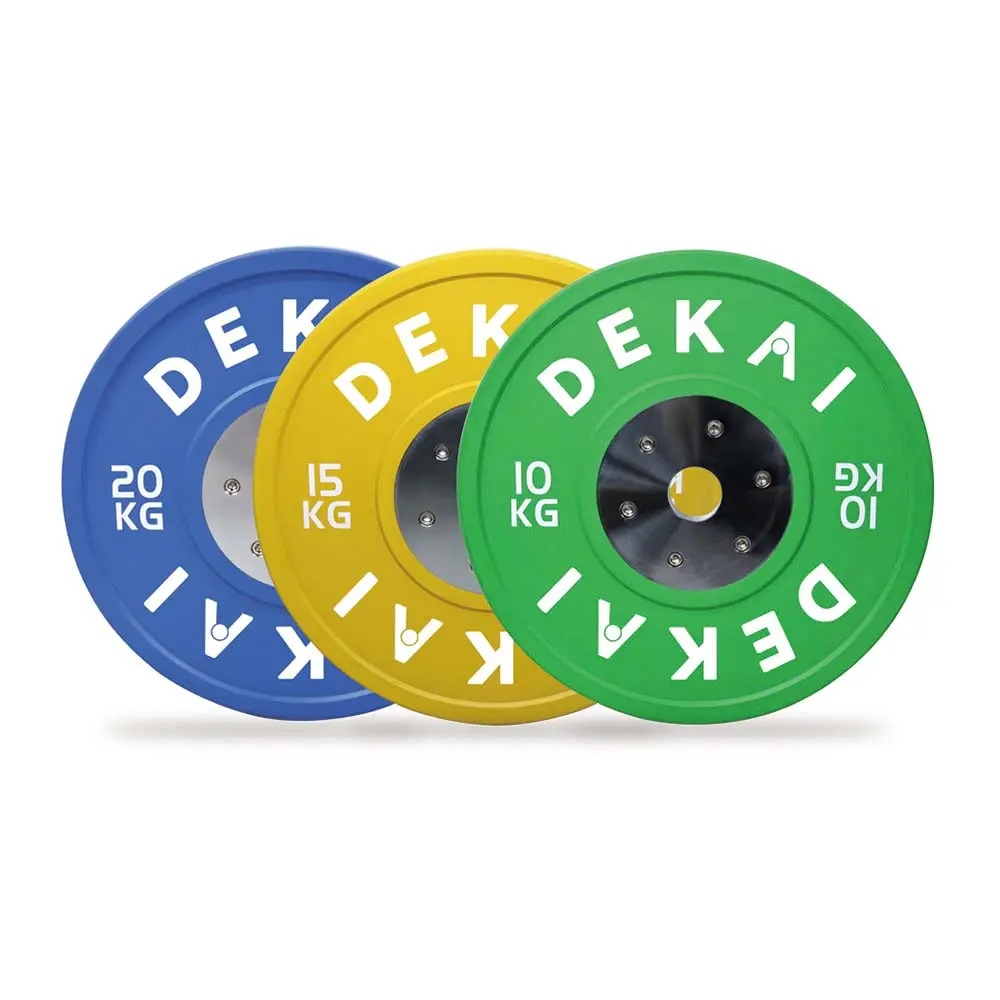
Gym bumper plates represent a fundamental piece of equipment for strength training facilities, home gyms, and athletic performance centers. These specialized weight plates are designed with a rubber coating that encases an inner core, typically made from steel or iron. The primary function of gym bumper plates is to provide safe, durable weight loading for barbells during Olympic lifts, powerlifting movements, and general strength training exercises. Unlike traditional iron plates, these plates can be safely dropped from overhead positions without damaging floors, equipment, or the plates themselves. The rubber construction absorbs impact energy, significantly reducing noise levels and protecting gym surfaces from the repeated stress of dropped weights. Gym bumper plates come in standardized sizes with a uniform diameter of 450 millimeters, regardless of weight, which ensures the barbell maintains consistent height off the ground whether loaded with lighter or heavier plates. This standardization proves essential for Olympic weightlifting movements like snatches and clean-and-jerks, where proper starting position and technique depend on correct bar height. The technological features of gym bumper plates include high-density rubber compounds that resist cracking, chipping, and deformation even after thousands of drops. Many plates feature steel insert rings that reinforce the center hole, preventing wear and maintaining a snug fit on Olympic barbells. Color-coding systems help users quickly identify plate weights, with international standards designating specific colors for different weight increments. The applications of gym bumper plates extend across multiple training environments, from CrossFit boxes and Olympic weightlifting clubs to commercial fitness centers and personal training studios. Athletes use these plates for explosive movements, strength development, and metabolic conditioning workouts. The versatility of gym bumper plates makes them suitable for beginners learning proper lifting technique with lighter loads, as well as advanced athletes moving maximum weights. Their protective qualities make them the preferred choice for any facility where barbells will be dropped or lowered dynamically during training sessions.





 EN
EN