 EN
EN

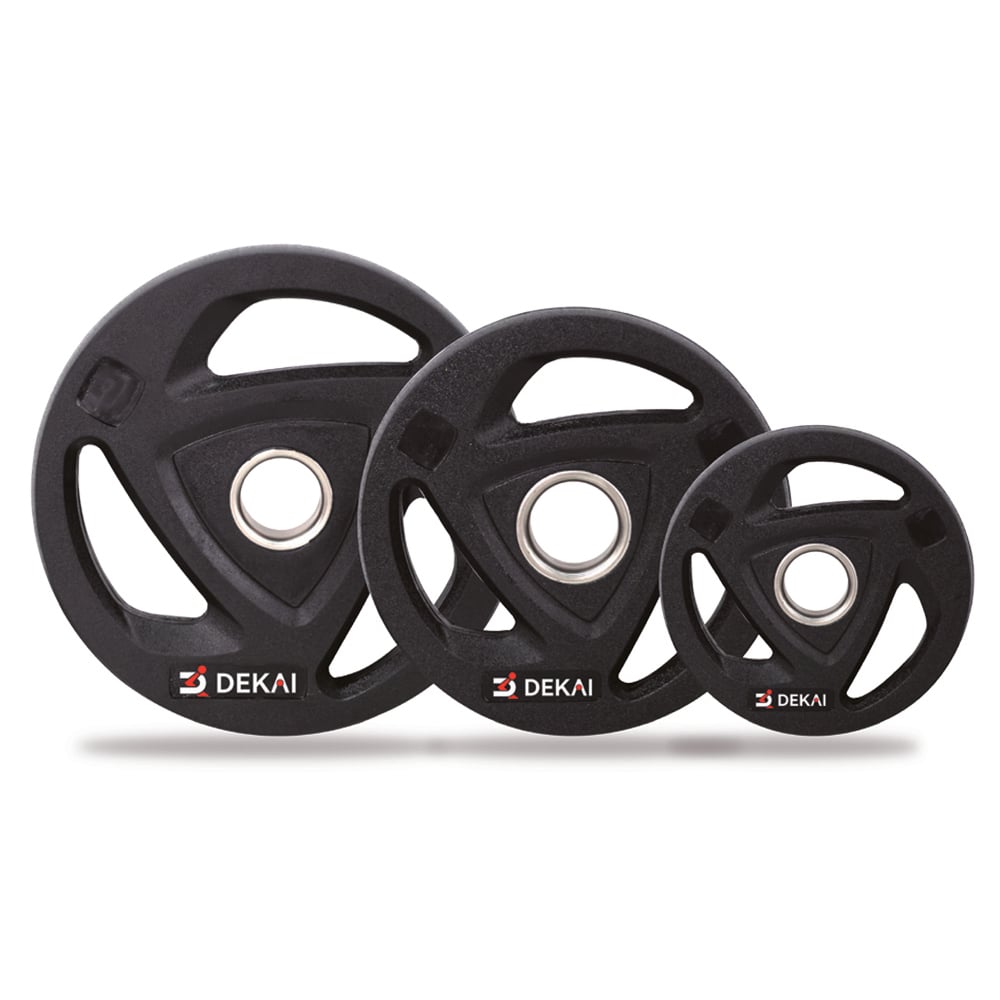
Drop training represents one of the most demanding approaches to strength development, requiring equipment that can withstand repeated impacts without degradation. Bumper plates have emerged as the industry standard for this application because they combine protective cushioning with exceptional durability. Understanding what makes bumper plates suitable for drop training systems is essential for gym owners, coaches, and athletes who prioritize both safety and equipment longevity. The relationship between bumper plates and effective drop training extends far beyond simple shock absorption, encompassing material science, load distribution, and long-term performance reliability.
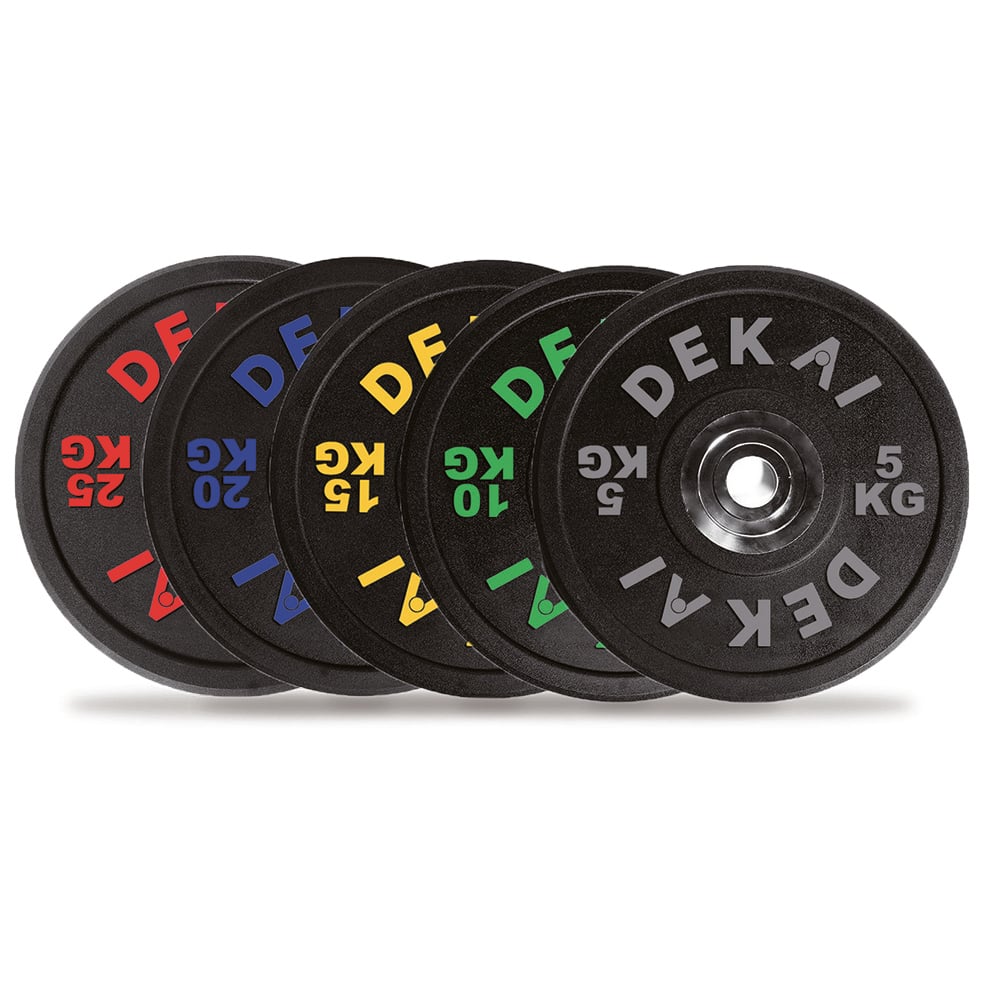
Drop training involves intentionally releasing loaded barbells from shoulder height or overhead position, allowing weights to fall freely onto the floor. This practice builds explosive strength, develops reactive power, and trains athletes to absorb sudden deceleration forces. However, this training methodology imposes severe mechanical stress on both the barbell and the floor protection system. Bumper plates specifically address these stresses through engineered construction that regular iron plates cannot provide, making them the critical foundation for safe and sustainable drop training programs.
Material Composition and Impact Absorption
Urethane Construction and Shock Dissipation
Bumper plates are constructed from high-density urethane, a polymer material engineered specifically to absorb impact energy while maintaining structural integrity. When bumper plates absorb the force of a dropped barbell, the urethane compresses slightly, converting kinetic energy into controlled deformation and heat dissipation. This energy absorption characteristic distinguishes bumper plates from cast iron plates, which transfer impact forces directly into the floor and surrounding equipment. The urethane composition in bumper plates ensures that each drop dissipates force gradually rather than creating shock waves that damage flooring, equipment, and the facility itself.
Elasticity and Rebound Properties
The elastic properties of bumper plates enable them to recover their original shape after compression, maintaining their performance across thousands of drop cycles. Quality bumper plates return to their precise dimensions after impact, preserving barbell balance and ensuring consistent training mechanics. This rebound capacity represents a key advantage of bumper plates over alternative drop training solutions. Athletes and facility managers can depend on bumper plates to provide predictable performance session after session, whereas materials that lose elasticity over time create inconsistent training conditions and require frequent replacement.
Load Distribution and Plate Geometry
Optimal Diameter and Surface Area
Bumper plates feature a standardized diameter that distributes impact loads across a wider surface area than equivalent-mass iron plates. The larger diameter of bumper plates means that the impact force spreads across the plate surface more evenly, reducing localized stress concentrations that could cause permanent deformation. This geometric advantage makes bumper plates especially valuable in high-intensity drop training where barbell impacts occur repeatedly and with significant force. The surface area distribution of bumper plates directly contributes to their ability to withstand drop training without developing dents, cracks, or structural degradation that would compromise future performance.
Concentric Ring Design and Structural Stability
Premium bumper plates incorporate concentric ring designs that reinforce structural integrity under extreme loading conditions. These reinforced sections work together to prevent plate separation, rim cracking, and barrel rupture during the intense impact phases of drop training. The layered construction within quality bumper plates distributes stress more evenly than homogeneous designs, extending the usable lifespan significantly. Facilities implementing serious drop training programs require bumper plates with robust internal reinforcement because casual designs fail prematurely under sustained impact loads, generating unexpected maintenance costs and training interruptions.
Durability, Maintenance, and Cost-Benefit Analysis
Long-Term Performance and Replacement Cycles
Bumper plates maintain functional performance across thousands of drop cycles when manufactured to industrial standards, making them economically efficient for high-use training environments. While bumper plates require higher initial capital investment compared to iron alternatives, their extended lifespan and consistent performance justify the expense for serious training facilities. A well-maintained set of bumper plates can support drop training programs for five to ten years or longer, whereas unprotected flooring and cheaper alternatives require replacement within months. The total cost of ownership for bumper plates proves substantially lower than continuously replacing damaged equipment and floor surfaces damaged by repeated impacts.
Minimal Maintenance Requirements and Surface Care
Bumper plates require minimal active maintenance compared to iron plates, which need regular cleaning and lubrication to prevent corrosion. The urethane composition of bumper plates resists moisture, temperature variations, and salt exposure, enabling them to perform consistently in diverse training environments. Simple periodic cleaning with damp cloth removes dust and debris without requiring specialized treatments. This low-maintenance characteristic of bumper plates makes them particularly attractive for commercial fitness facilities where operational efficiency directly impacts profitability and resource allocation.
Safety Integration with Drop Training Protocols
Noise Reduction and Environmental Benefits
Bumper plates generate substantially lower impact noise than cast iron alternatives, creating more comfortable training environments while reducing acoustic stress on facility structures. The noise-reduction property of bumper plates enables drop training programs to operate during extended hours without disturbing adjacent businesses or residential areas. This acoustic advantage of bumper plates extends their practical applications to urban fitness centers and multi-use facilities where noise restrictions would otherwise prohibit drop training. Facilities utilizing bumper plates can accommodate more diverse training methodologies within the same physical footprint.
Protection of Barbell Sleeves and Training Equipment
The protective cushioning provided by bumper plates significantly reduces impact forces transmitted to barbell sleeves, bushings, and bearing systems. When iron plates strike hard flooring during drops, shock waves propagate through the barbell assembly, accelerating wear on rotating components and reducing equipment lifespan. Bumper plates absorb these forces before they reach the barbell, extending the operational life of expensive weightlifting barbells significantly. This protective function makes bumper plates an essential component of comprehensive equipment preservation strategies for facilities supporting advanced training programs.
FAQ
Why should drop training specifically require bumper plates instead of standard iron plates?
Drop training generates repeated impact forces that iron plates cannot safely manage because they transfer shock directly to the floor and equipment. Bumper plates absorb and dissipate these impact forces through their urethane composition, protecting the facility infrastructure, barbell components, and training personnel. The shock absorption capacity of bumper plates enables athletes to train safely while preserving equipment longevity, making them necessary rather than optional for genuine drop training programs.
What makes the urethane material in bumper plates superior to other impact-absorbing materials?
Urethane used in bumper plates provides the ideal balance between impact absorption, elastic recovery, and structural durability required for repeated drop cycles. Unlike rubber compounds that degrade quickly or foam materials that compress permanently, the engineered urethane in quality bumper plates recovers completely after each impact while maintaining dimensional accuracy. This material science foundation explains why bumper plates have become the industry standard, outperforming alternative materials across performance metrics that matter for drop training.
Can bumper plates prevent damage to floor surfaces during high-frequency drop training?
Bumper plates significantly reduce impact forces reaching the floor by absorbing energy during each drop event, substantially extending floor surface lifespan compared to training without them. While bumper plates alone may not completely eliminate the need for protective flooring, they reduce the required floor protection thickness and frequency of replacement substantially. Facilities combining quality bumper plates with appropriate flooring systems experience dramatically reduced maintenance costs and equipment downtime compared to operations relying on iron plates or inadequate protection strategies.