 EN
EN

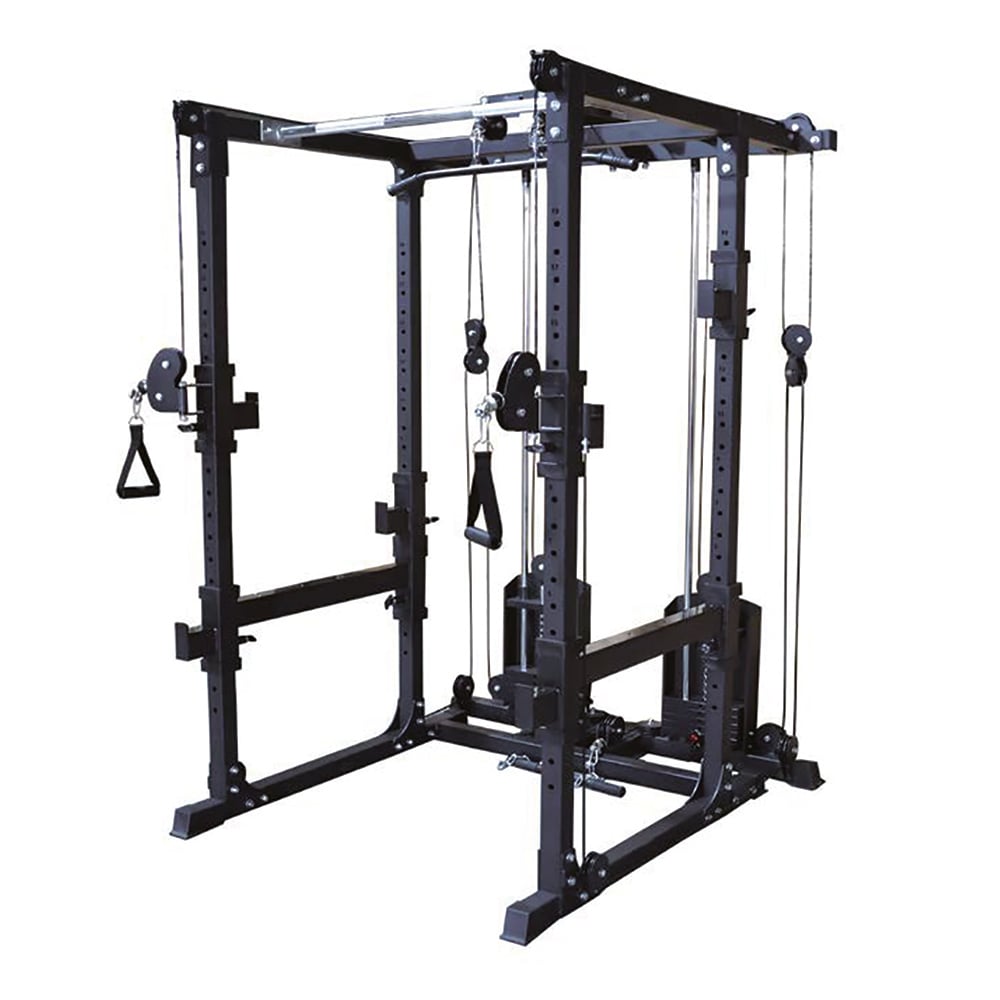
Power racks have become the cornerstone of modern commercial fitness facilities, enabling trainers and athletes to work safely alongside multiple users in shared environments. These robust structures provide the infrastructure necessary for simultaneous training sessions, reducing wait times while maintaining rigorous safety standards. Understanding how power racks support multi-user training environments is essential for gym operators, personal trainers, and facility managers seeking to maximize equipment utilization and member satisfaction.
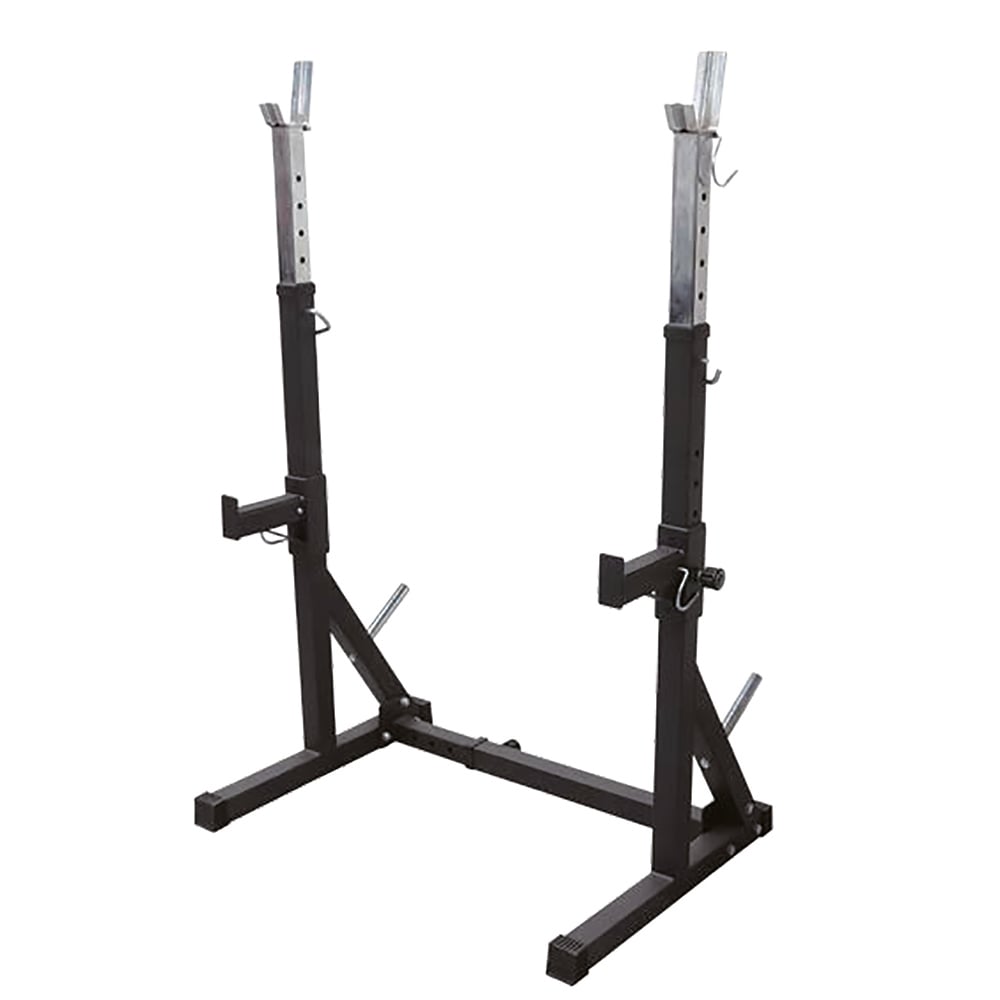
Commercial power racks are engineered to accommodate concurrent training across multiple stations, allowing diverse fitness levels and training methodologies to coexist productively within a single facility. When properly configured and maintained, these systems create structured training zones that reduce congestion, enhance member engagement, and support revenue growth through improved facility capacity.
Structural Design for Multi-User Capacity
Load Distribution and Frame Integrity
High-capacity power racks are designed with reinforced steel frames that distribute loading forces evenly across the entire structure. This engineering approach allows power racks to support simultaneous training sessions without compromising stability or safety. Commercial-grade power racks typically feature welded construction and thick-gauge steel that exceeds standard residential models by significant margins, ensuring durability under constant multi-user demand.
The structural integrity of power racks determines how many concurrent users can safely train in adjacent stations. Wider footprints and deeper frames provide greater stability when multiple athletes load barbells simultaneously, reducing swaying or shifting that could create safety hazards. Power racks with vertically adjustable components allow trainers to customize heights for different users without equipment repositioning, enabling faster transitions between training sessions.
Safety Rail Systems and Catch Mechanisms
Multi-user environments demand redundant safety features in power racks, particularly safety rails and drop catches that prevent barbells from falling unexpectedly. Modern power racks incorporate advanced catch mechanisms designed to arrest loaded barbells reliably across the entire height range, protecting not only the primary user but also adjacent trainees. The spacing and configuration of safety rails within power racks must accommodate various grip widths and exercise angles used by multiple training styles simultaneously.
Commercial power racks include adjustable safety catchers that can be repositioned for different exercises and athlete heights. This flexibility ensures that power racks remain functional across diverse training programs without requiring separate equipment for specialized movements. Redundant stop pins and backup catches within power racks add additional layers of protection, addressing the inherent risks of high-traffic commercial environments.
Space Optimization and Station Configuration
Modular Layout and Density Planning
Effective multi-user training relies on strategic placement of power racks throughout facility floor space. Modern commercial gyms utilize modular power racks that can be clustered or separated based on member demand and training programming. By positioning power racks with sufficient clearance, facilities enable multiple athletes to train simultaneously without creating collisions or sight-line obstructions that could compromise safety awareness.
The decision to install power racks in fixed rows, circular configurations, or dispersed zones directly impacts how efficiently facilities manage multi-user traffic. Power racks positioned back-to-back create compact training platforms suitable for high-volume facilities, while isolated power racks scattered throughout floor space allow independent training without congestion. Commercial operators must balance equipment density with safety spacing requirements, ensuring that power racks serve as collaborative training hubs rather than bottlenecks.
Equipment Pairing and Workflow Integration
Successful multi-user training environments integrate power racks with complementary equipment stations that support complete training workflows. Placing dumbbells, plate storage, and mobility areas adjacent to power racks creates functional training zones where multiple users progress through exercises without disrupting one another. Power racks with attached storage systems or nearby accessory racks enhance usability by reducing the time athletes spend searching for equipment between sets.
Commercial gyms maximize power racks' utility by scheduling diverse programming that encourages different user groups to access various equipment during peak hours. When power racks are positioned strategically alongside weightlifting platforms, resistance machines, and cardio equipment, member circulation remains smooth and training efficiency improves. This integrated approach transforms power racks from isolated strength stations into central components of comprehensive training ecosystems.
Safety Protocols and Multi-User Management
Training Zone Delineation and User Education
Clear delineation of training zones around power racks is critical for preventing injuries in multi-user environments. Facilities should establish visual boundaries, signage, and floor markings that define safe training areas adjacent to active power racks. When members understand the spatial parameters of power racks and surrounding zones, they naturally maintain appropriate distances, reducing collision risks and creating a secure training culture within commercial facilities.
Comprehensive member orientation programs ensure that all users understand proper power racks operation, including safety rail positioning, load capacity limits, and emergency procedures. Gym staff should provide hands-on instruction for first-time power racks users, emphasizing the importance of controlled movements and attentiveness to neighboring trainers. Regular staff training on power racks maintenance and safety checks reinforces institutional commitment to member protection.
Capacity Monitoring and Usage Scheduling
Many commercial facilities employ scheduling systems that manage access to power racks during peak hours, ensuring controlled user density and preventing overcrowding. Digital booking platforms tied to power racks stations allow members to reserve time slots, reducing frustration and enabling more predictable training experiences. This approach to capacity management leverages technology to optimize multi-user training while maintaining safety standards across all power racks installations.
Staff presence near active power racks during busy periods provides real-time supervision that catches unsafe behaviors before they create incidents. Trained facility monitors can observe multiple power racks simultaneously, offering corrective guidance and ensuring loads remain within appropriate ranges. This human element complements structural safety features inherent in commercial power racks, creating comprehensive protection for diverse user groups.
Performance Benefits and Member Satisfaction
Accessibility and Reduced Equipment Wait Times
Power racks enable more members to access strength training simultaneously, reducing wait times that often frustrate users in limited-equipment facilities. When commercial gyms install multiple power racks supporting concurrent training, member satisfaction increases demonstrably, leading to improved retention and recruitment metrics. The psychological benefit of accessing primary training equipment without lengthy delays encourages consistent training habits and justifies membership costs for strength-focused athletes.
Multi-user power racks create inclusive training environments where members at different experience levels can train concurrently under appropriate supervision. Beginners develop foundational strength using controlled loads within power racks while advanced athletes perform complex movements on adjacent stations. This vertical integration of training levels within power racks infrastructure strengthens community culture and expands the member base beyond advanced lifters.
Training Program Flexibility and Coach Efficiency
Personal trainers and group fitness instructors leverage multiple power racks to conduct efficient training sessions with multiple clients simultaneously. These professionals can position power racks for different exercises, allowing trainees to progress through structured circuits without equipment limitations. The expanded capacity that commercial power racks provide enables coaches to serve more clients hourly, improving business profitability while delivering consistent training quality.
Group training programs including bootcamps, functional fitness classes, and strength workshops rely on adequate power racks availability to accommodate class sizes. Facilities with sufficient power racks inventory can schedule frequent group sessions without conflicts, generating revenue from class enrollments while utilizing equipment efficiently. Power racks become revenue-generating assets rather than singular-user tools, justifying facility investment and expansion planning.
FAQ
What capacity should commercial power racks support for multi-user training environments?
Commercial power racks should support minimum loading capacities of 1,000 pounds or greater to accommodate heavy strength training while maintaining absolute safety margins. Facilities planning multi-user training should select power racks certified for commercial use, which exceeds residential standards significantly. Consulting with equipment manufacturers about your specific member demographics and training programs ensures power racks meet capacity requirements appropriate for your facility.
How many power racks does a typical commercial gym need for multi-user training?
The optimal number of power racks depends on facility size, member count, and peak usage patterns, but industry standards suggest one power rack per 150–200 active members. Facilities with robust group training programs or personal training focus may require higher power racks density. Conducting usage audits during peak hours helps determine whether your current power racks inventory adequately serves member demand or if expansion is warranted.
Can power racks accommodate different body sizes and training styles simultaneously?
Yes, adjustable power racks with customizable safety rails, safeties, and J-hooks accommodate diverse body sizes and training methodologies within single units. Modern commercial power racks feature multiple adjustment points that allow rapid transitions between different exercises and user anthropometrics. This flexibility makes power racks ideal for multi-user training environments where trainers modify configurations frequently throughout operating hours.