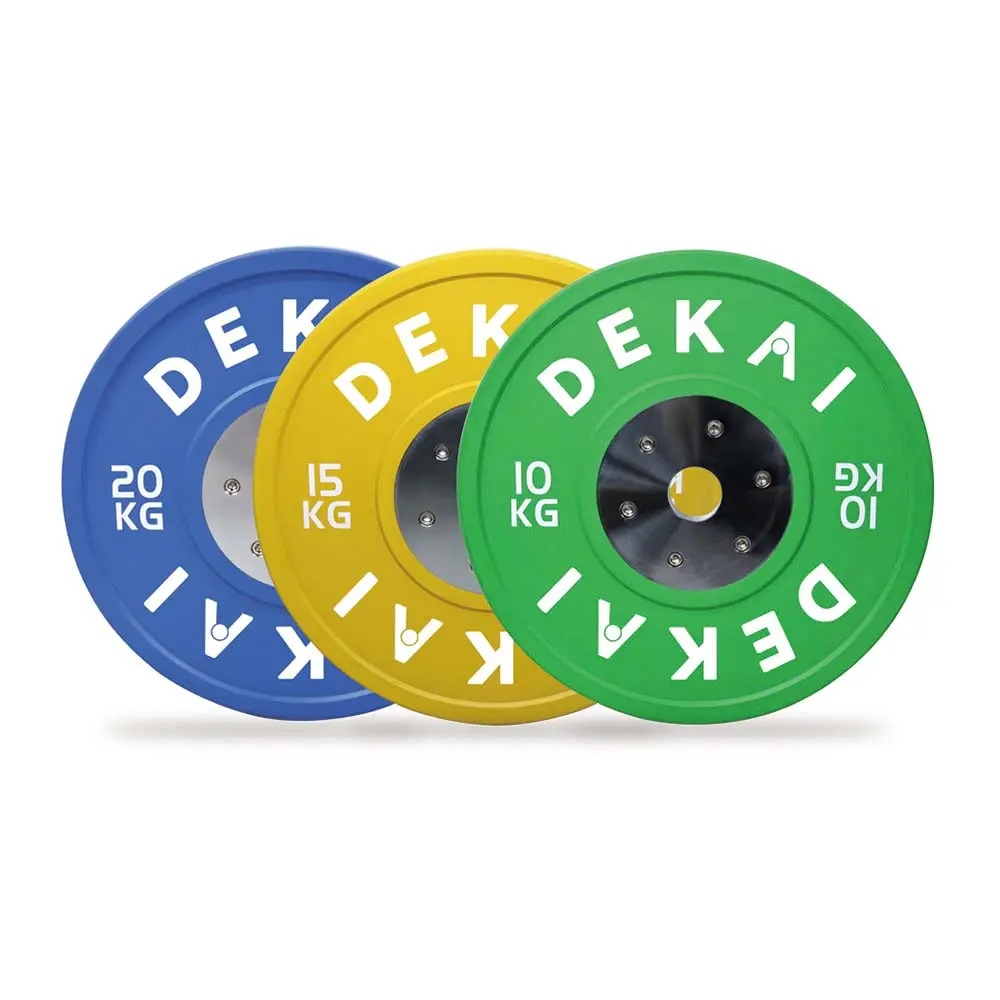
Consistent Diameter for Proper Lifting Mechanics
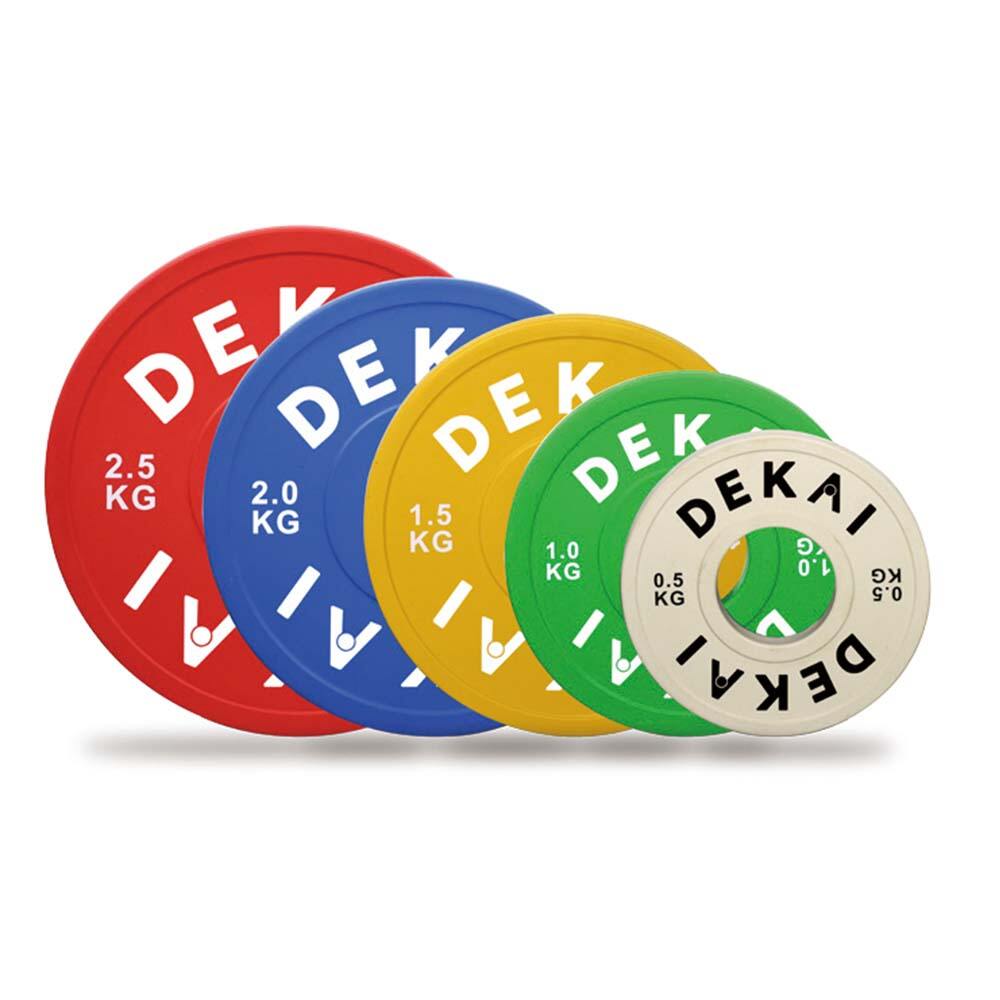
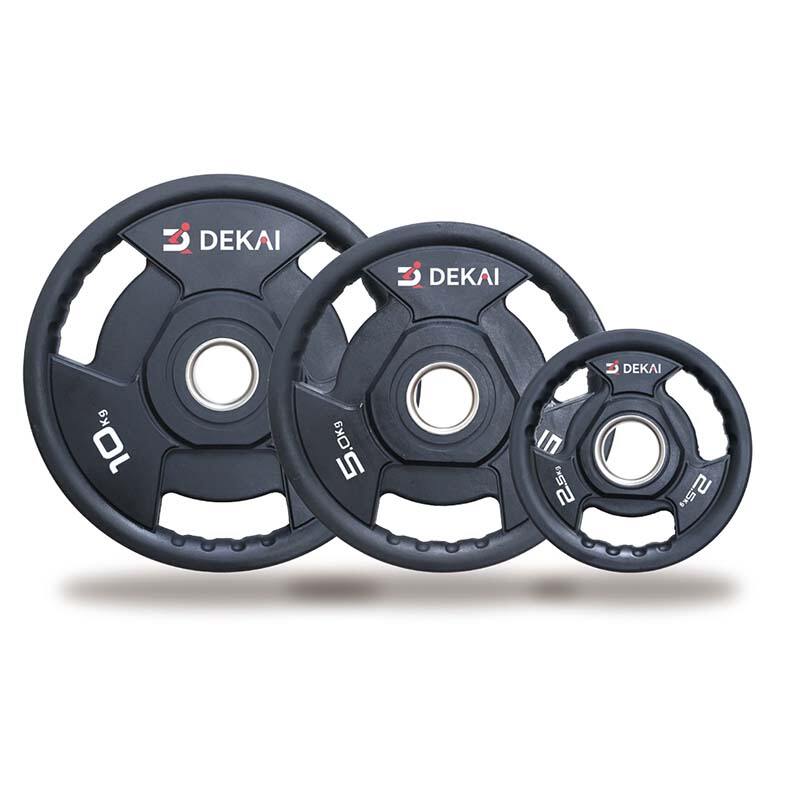
The standardized diameter of inexpensive bumper plates addresses a critical technical requirement in Olympic weightlifting and functional fitness training that directly impacts your lifting mechanics and safety. According to international weightlifting standards, bumper plates maintain a consistent 450-millimeter diameter regardless of the weight denomination, from the lightest 10-pound plates to the heaviest 55-pound plates. This uniformity ensures that when you load a barbell for deadlifts, the bar sits at the correct height of approximately nine inches off the ground, which represents the optimal starting position for proper pulling mechanics. When using traditional iron plates, lighter weights have smaller diameters, forcing the barbell closer to the ground and requiring you to start your pull from a deficit position. This altered starting position changes your back angle, hip position, and the mechanical advantage of the lift, potentially ingraining improper movement patterns that become problematic when you progress to heavier loads. Inexpensive bumper plates eliminate this inconsistency, allowing you to practice perfect form at any weight. This consistency proves particularly valuable for beginners learning proper technique, as they can start with lighter loads while maintaining the exact same body positions they will use with heavier weights. The uniform diameter also matters for exercises beyond deadlifts. During cleans, snatches, and their variations, the bar must travel in a specific path relative to your body. When the starting height varies due to plate diameter differences, this path changes, affecting your timing, balance, and power generation. Inexpensive bumper plates ensure that your technique remains consistent across all training loads, facilitating more effective skill development and strength progression. For coaches and trainers, this standardization simplifies instruction, as they can teach one correct starting position that applies universally. The consistent diameter also prevents the barbell from rolling when plates rest on the floor, as the larger surface area creates more friction and stability compared to smaller iron plates.


 EN
EN