Bumper Plates What Are: Complete Guide to Olympic Weightlifting Plates for Safe Training

Get a Free Quote

Our representative will contact you soon.
Email
Mobile/WhatsApp
Name
Company Name
Message
0/1000

bumper plates what are

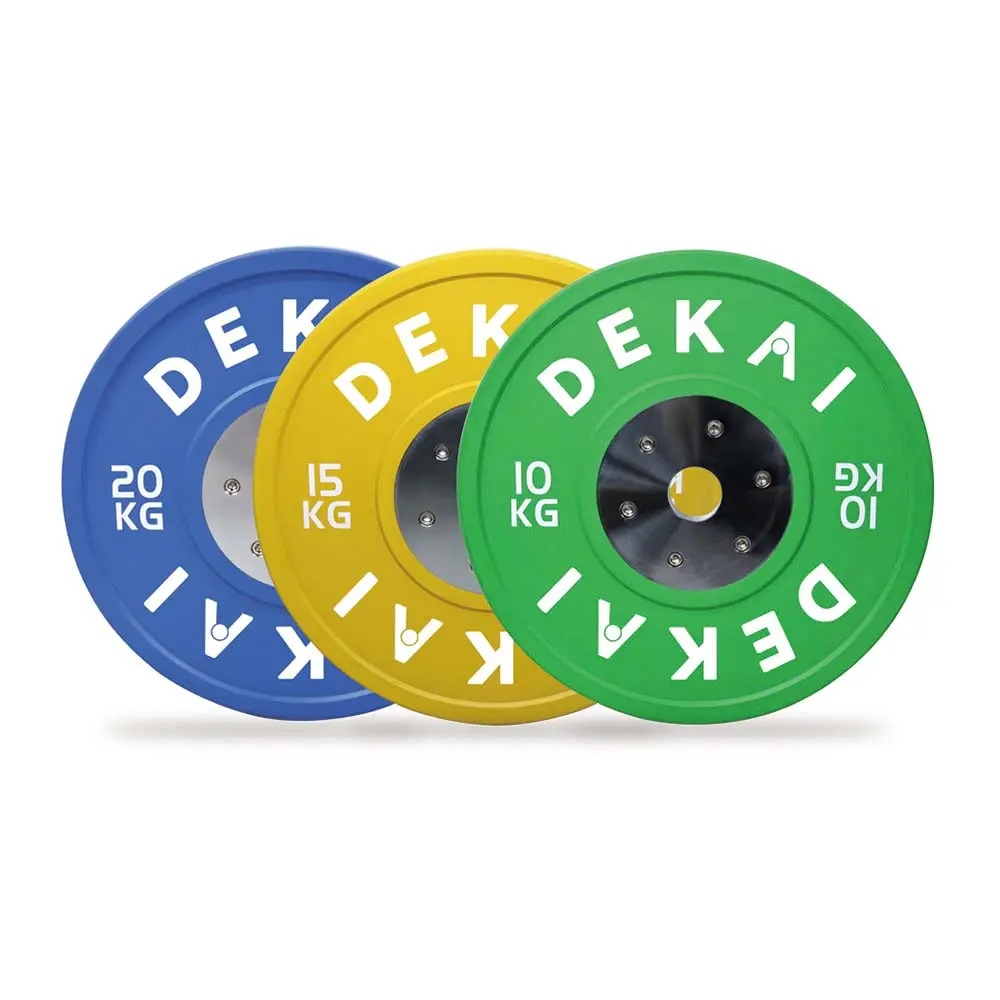
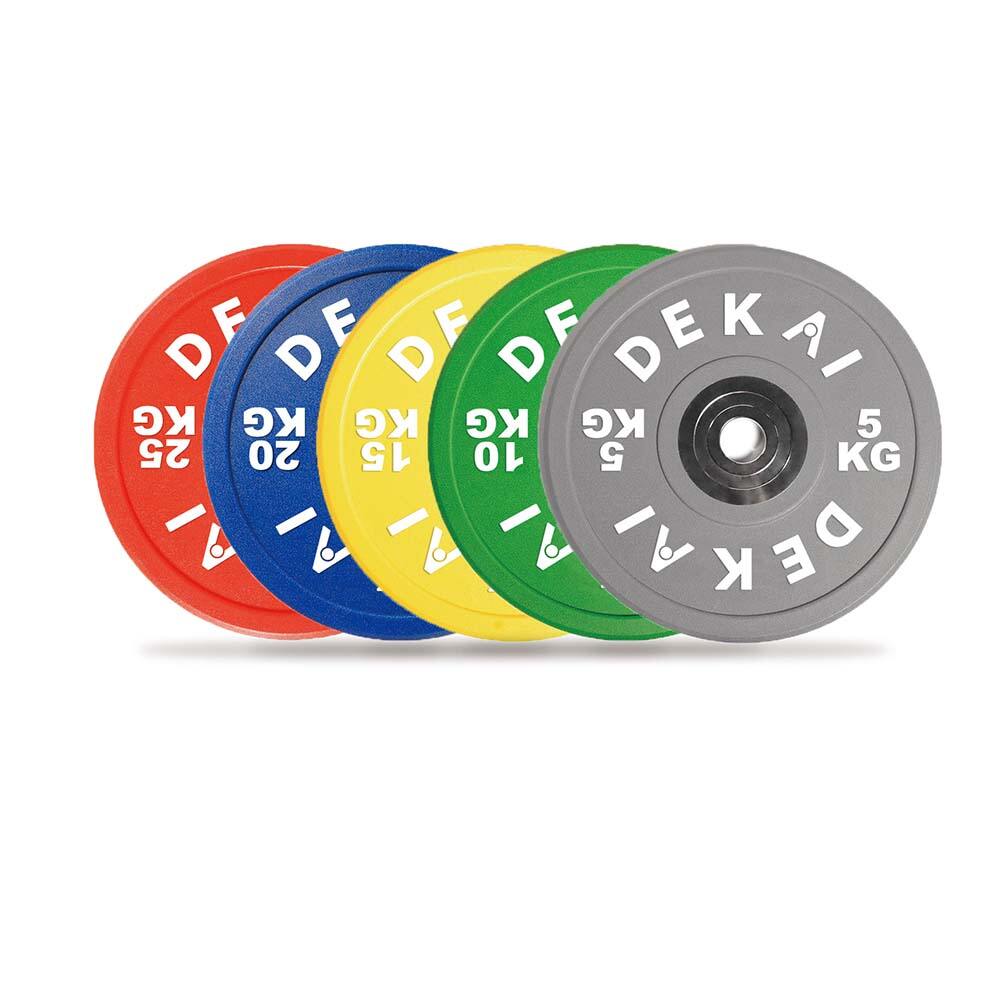
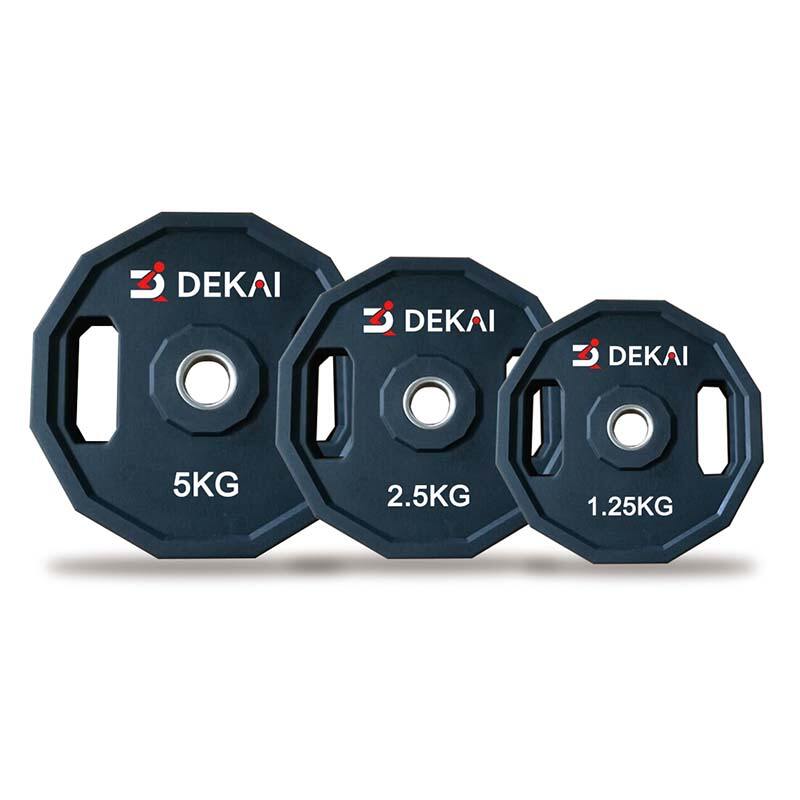
Bumper plates are specialized weight plates designed primarily for Olympic weightlifting and functional fitness training. Unlike traditional iron or steel plates, bumper plates feature a dense rubber construction with a steel insert at the center, allowing them to be safely dropped from overhead heights without damaging the floor, the barbell, or the plates themselves. This fundamental design characteristic makes bumper plates what are essential equipment for any serious strength training facility or home gym focused on dynamic lifting movements. The primary function of bumper plates is to provide consistent loading for barbells while protecting both the equipment and training surfaces during high-impact exercises such as cleans, snatches, and jerks. Each bumper plate maintains a standardized diameter of 450 millimeters, regardless of weight, ensuring that the barbell remains at the proper height off the ground for all lifts. This uniformity allows athletes to practice proper form with lighter weights before progressing to heavier loads. Technologically, bumper plates what are manufactured using virgin rubber or recycled rubber compounds that are compression-molded or vulcanized to create a dense, durable product. High-quality bumper plates incorporate reinforced steel inserts that are precisely machined to fit Olympic barbells with minimal wobble, ensuring secure placement during lifts. The rubber composition is engineered to absorb impact energy, reducing bounce and noise when plates contact the floor. Modern bumper plates often feature color-coding systems that correspond to international weightlifting standards, making weight identification quick and intuitive during training sessions. Applications for bumper plates extend across multiple training environments, including CrossFit boxes, Olympic weightlifting clubs, commercial fitness centers, garage gyms, and athletic training facilities. They are indispensable for anyone performing the Olympic lifts or their variations, as well as for functional fitness workouts that incorporate barbell cycling and high-repetition movements where controlled drops are necessary for safety and efficiency.
Popular Products

The advantages of bumper plates what are numerous and directly address the practical needs of athletes, coaches, and fitness enthusiasts who engage in dynamic barbell training. First and foremost, bumper plates provide unmatched floor protection compared to traditional metal plates. The rubber construction absorbs the shock of dropped barbells, preventing damage to concrete, wood, or rubber flooring that would otherwise crack, dent, or deteriorate under repeated impact. This protection translates to significant cost savings over time, as facility owners avoid expensive floor repairs and replacements. Additionally, the noise reduction properties of bumper plates create a more pleasant training environment, making them ideal for residential settings where neighbors might otherwise complain about the sound of clanging metal. Safety represents another critical advantage of bumper plates what are in any training program. When performing Olympic lifts or their derivatives, athletes must sometimes bail out of failed attempts by dropping the barbell. Bumper plates allow this to happen safely without risking injury from rebounding metal plates or damaging the barbell itself. The consistent diameter across all weights ensures that even lighter training loads position the barbell at the correct starting height, promoting proper lifting mechanics and reducing injury risk associated with poor form. This standardization is particularly valuable for beginners learning technique with lighter weights before progressing to competition loads. Durability stands as a defining advantage of quality bumper plates. While the initial investment may exceed that of iron plates, bumper plates what are engineered to withstand thousands of drops without cracking, chipping, or losing their structural integrity. The rubber compound resists weathering, moisture, and temperature fluctuations, making them suitable for both indoor and outdoor training environments. The steel insert collars are designed to maintain their shape and fit, preventing the loosening and wobbling that plague cheaper alternatives. From a training perspective, bumper plates enable athletes to train more confidently and aggressively. Knowing that equipment can be safely dropped removes psychological barriers that might otherwise cause hesitation during maximal lifts or high-intensity workouts. This confidence allows for better focus on technique and performance rather than worry about equipment damage. The color-coding system found on competition-grade bumper plates speeds up weight changes during training sessions, improving workout efficiency and allowing more time for actual lifting rather than plate management. For commercial facilities, bumper plates what are represent a professional standard that attracts serious athletes and differentiates a gym from basic fitness centers, potentially increasing membership value and retention.

Tips And Tricks

Stronger Together – DEKAI Looks Back at 2024 and Welcomes 2025

13

May

Stronger Together – DEKAI Looks Back at 2024 and Welcomes 2025

View More
DEKAI – A Name Built on Quiet Strength

13

May

DEKAI – A Name Built on Quiet Strength

View More
DEKAI – A Name Built on Quiet Strength

13

May

DEKAI – A Name Built on Quiet Strength

View More
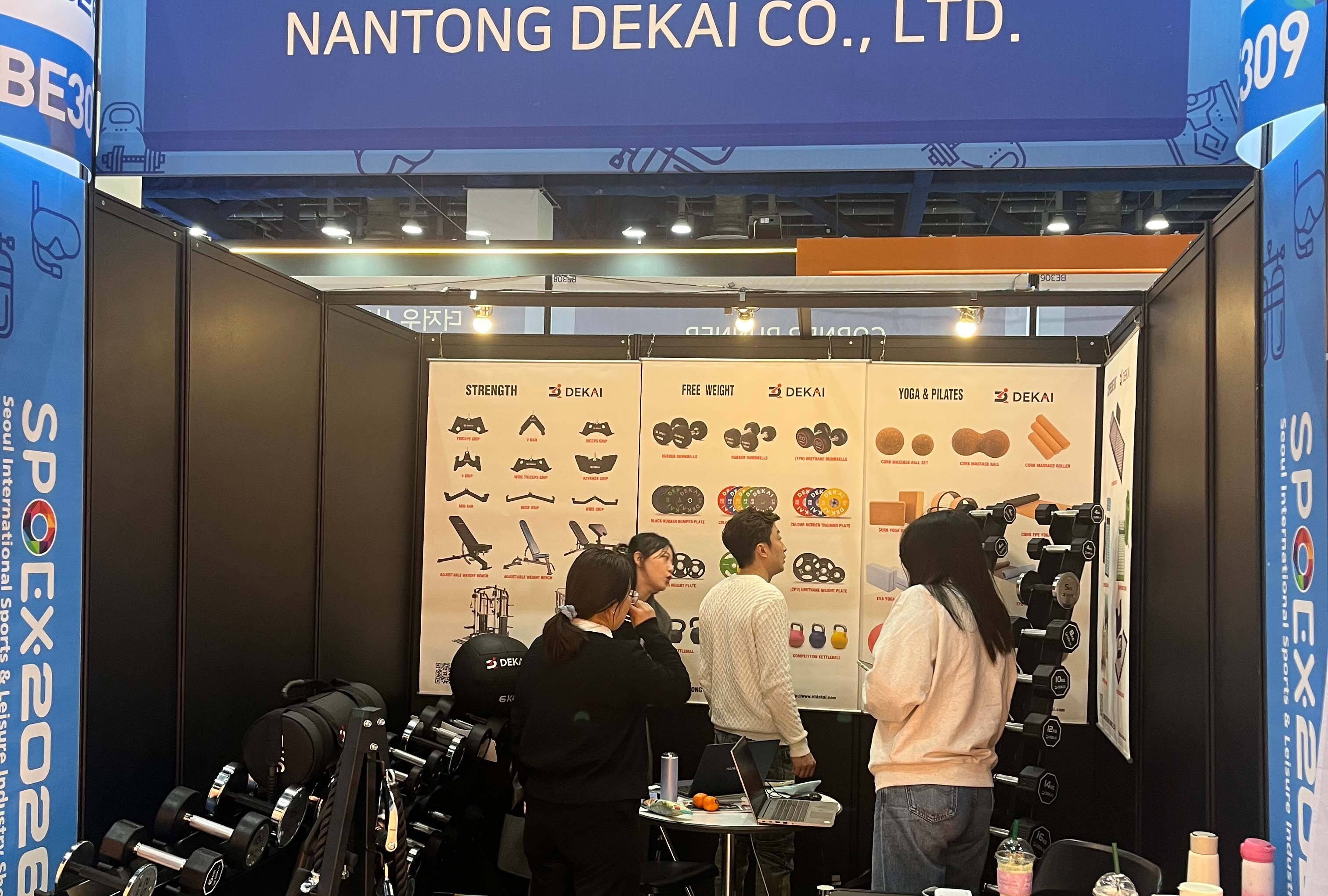
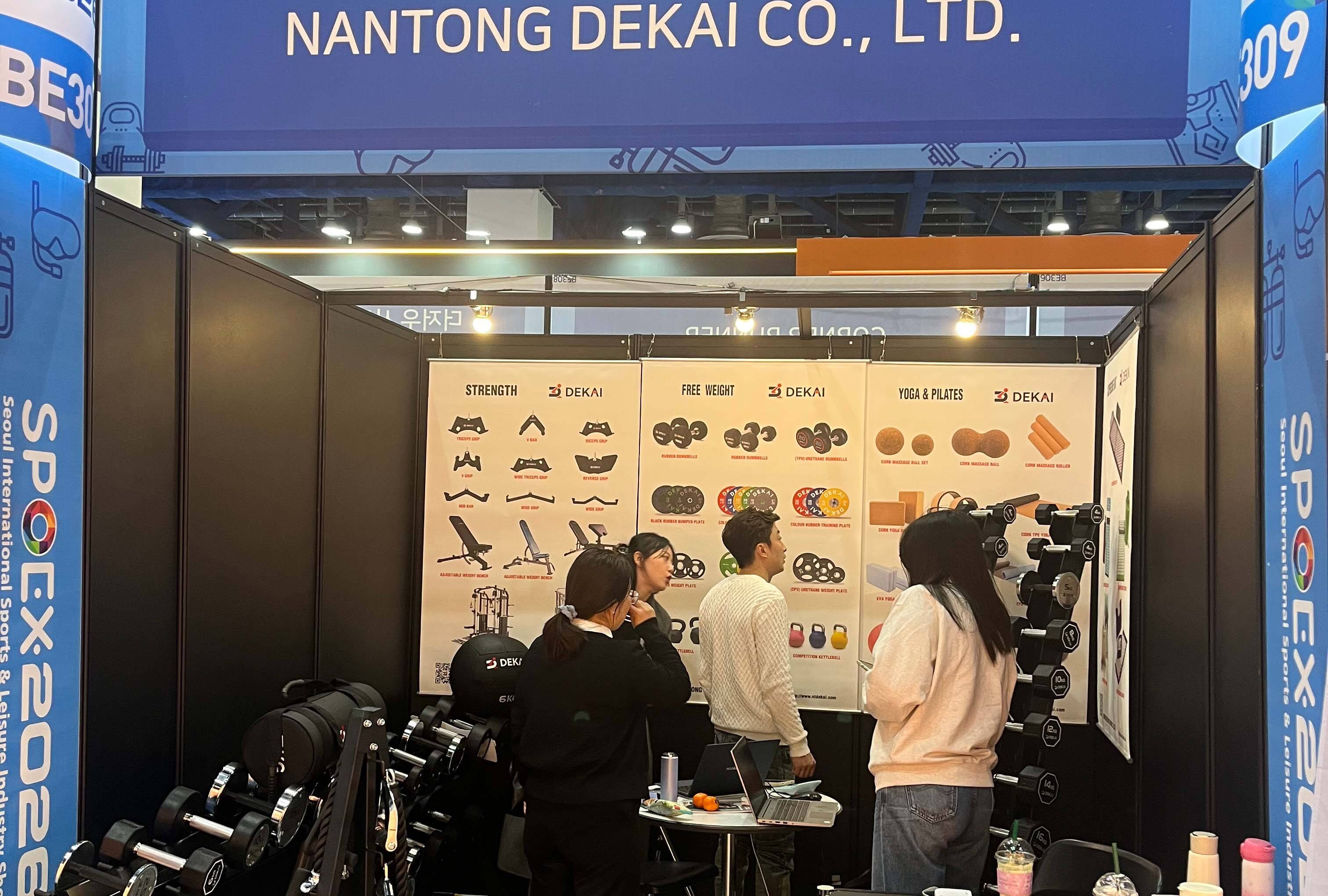
DEKAI Heads to Korea – Bringing Strength to the Global Stage

13

May

DEKAI Heads to Korea – Bringing Strength to the Global Stage

View More

Get a Free Quote

Our representative will contact you soon.
Email
Mobile/WhatsApp
Name
Company Name
Message
0/1000

bumper plates what are

Superior Impact Absorption and Floor Protection Technology

Superior Impact Absorption and Floor Protection Technology

The engineering behind bumper plates what are centers on advanced impact absorption technology that fundamentally changes how training facilities approach equipment protection and longevity. The rubber composition used in quality bumper plates is specifically formulated to disperse kinetic energy across the entire surface area upon impact, rather than concentrating force at a single point as metal plates do. This energy dispersion occurs through the compression and deformation of the rubber material, which acts as a cushioning layer between the steel insert and the floor surface. The molecular structure of the rubber compound is designed with specific durometer ratings that balance firmness for durability with flexibility for shock absorption. When a loaded barbell is dropped from overhead, the bumper plates compress momentarily upon contact, converting the downward kinetic energy into heat and elastic deformation rather than transmitting it directly to the floor. This process significantly reduces the peak force experienced by the flooring material, extending its lifespan dramatically compared to facilities using iron plates. The practical value of this technology becomes evident when calculating long-term facility costs. A single dropped iron plate can create floor damage requiring hundreds of dollars in repairs, while bumper plates what are can be dropped thousands of times without causing any structural damage to properly installed gym flooring. For home gym owners, this protection is even more critical, as residential flooring is typically not designed to withstand the impact forces generated by Olympic lifting. The noise reduction achieved through impact absorption also carries significant value, particularly in multi-use facilities or residential areas where sound transmission could create conflicts with other occupants. The rubber material dampens the acoustic energy that would otherwise reverberate through building structures, reducing the characteristic clang of metal-on-metal contact to a muted thud. This acoustic benefit allows training to occur during early morning or late evening hours without disturbing others, effectively expanding the usable training time for dedicated athletes. Furthermore, the impact absorption properties of bumper plates protect the barbell itself from the stress fractures and bending that can occur with repeated drops of iron plates, preserving the integrity of this expensive equipment component and ensuring consistent performance over years of use.
Standardized Diameter for Optimal Lifting Mechanics and Progressive Training

Standardized Diameter for Optimal Lifting Mechanics and Progressive Training

One of the most significant yet often overlooked advantages of bumper plates what are is their standardized diameter specification, which maintains the barbell at a consistent height of approximately nine inches off the ground regardless of the weight loaded. This standardization is not merely a convenience but a fundamental requirement for proper Olympic weightlifting technique and safe progressive training protocols. When all plates share the same diameter, athletes can practice the starting position for deadlifts, cleans, and snatches with the barbell at the correct height even when using lighter training weights. This consistency is impossible with traditional iron plates, where smaller diameter plates used for lighter loads position the barbell closer to the ground, forcing athletes to adopt compromised starting positions that can ingrain poor movement patterns and increase injury risk. The biomechanical implications of this standardization are profound. The nine-inch height established by full-diameter bumper plates positions the barbell at a level that allows most athletes to achieve proper hip hinge mechanics, maintain a neutral spine, and generate force through the posterior chain effectively. When beginners learn Olympic lifts or their variations using bumper plates what are, they develop motor patterns at the correct barbell height from their very first repetition. This neurological programming creates movement efficiency that transfers directly to heavier loads as strength increases. Conversely, athletes who learn with smaller diameter plates must relearn their movement patterns when progressing to full-size plates, creating an unnecessary learning curve and potential for technique breakdown under fatigue. For coaches and trainers, the standardized diameter of bumper plates simplifies program design and instruction. Technical coaching cues remain consistent across all training loads, and athletes can focus on movement quality rather than adjusting their setup based on plate size. This consistency accelerates skill acquisition and allows for more precise feedback during coaching sessions. The standardization also supports effective warm-up protocols, where athletes can perform technique work and activation exercises with lighter loads while maintaining competition-specific positions and movement patterns. From a practical training perspective, bumper plates what are enable the use of technique plates, which are lightweight bumper plates typically weighing five or ten pounds that maintain the standard diameter. These technique plates allow complete beginners, youth athletes, or those recovering from injury to practice full range-of-motion Olympic lifts with minimal load while keeping the barbell at the appropriate height. This capability is invaluable for skill development and rehabilitation protocols where movement quality takes precedence over load intensity.
Enhanced Durability and Long-Term Cost Effectiveness for Serious Training Environments

Enhanced Durability and Long-Term Cost Effectiveness for Serious Training Environments

The durability characteristics of bumper plates what are represent a critical investment consideration for anyone committed to long-term strength training, whether in a commercial facility or home gym setting. Quality bumper plates are engineered to withstand extreme use conditions that would quickly destroy conventional weight plates, making them the most cost-effective option over their operational lifespan despite higher initial purchase prices. The construction process for premium bumper plates involves either virgin rubber or carefully selected recycled rubber compounds that are compression-molded or vulcanized under high pressure and temperature. This manufacturing process creates a dense, homogeneous material structure without air pockets or weak points that could lead to premature failure. The rubber compound is formulated with specific additives that enhance resistance to ozone degradation, UV exposure, and temperature fluctuations, ensuring that bumper plates maintain their structural integrity whether stored in climate-controlled facilities or exposed to outdoor conditions. The steel insert collar, which interfaces with the barbell sleeve, is precision-machined from high-grade steel and is either permanently bonded to the rubber or secured through advanced mechanical interlocking systems. This collar design prevents the loosening and separation that plague cheaper bumper plates, maintaining a tight fit on the barbell even after thousands of loading cycles. When evaluating the long-term cost effectiveness of bumper plates what are, facility owners must consider the total cost of ownership rather than simply the purchase price. A set of quality bumper plates can endure ten thousand or more drops without significant degradation, while iron plates would cause cumulative floor damage, barbell wear, and noise complaints that generate ongoing costs. The calculation becomes even more favorable when considering that damaged iron plates must be replaced, whereas bumper plates typically remain functional throughout their entire service life. For commercial gyms, the professional appearance and performance of bumper plates also contributes to member satisfaction and retention, indirectly supporting revenue generation. The durability of bumper plates what are extends beyond physical resilience to include dimensional stability and weight accuracy. Quality manufacturers ensure that plates maintain their specified weight within tight tolerances and that the diameter remains consistent even after extended use. This accuracy is essential for progressive overload training protocols where precise load increments drive adaptation. Athletes can trust that their training loads are accurate, and coaches can program with confidence knowing that weight specifications are reliable. The maintenance requirements for bumper plates are minimal compared to iron plates, which may require rust prevention treatments and regular inspection for chips or cracks. Bumper plates simply need occasional cleaning to remove chalk dust and debris, making them a low-maintenance solution for busy training environments where equipment upkeep time is limited.
Bumper Plates What Are: Complete Guide to Olympic Weightlifting Plates for Safe Training

Get a Free Quote

Our representative will contact you soon.
Email
Mobile/WhatsApp
Name
Company Name
Message
0/1000