Barbell Plates Standard: Complete Guide to Weight Plate Specifications and Benefits

Get a Free Quote

Our representative will contact you soon.
Email
Mobile/WhatsApp
Name
Company Name
Message
0/1000

barbell plates standard

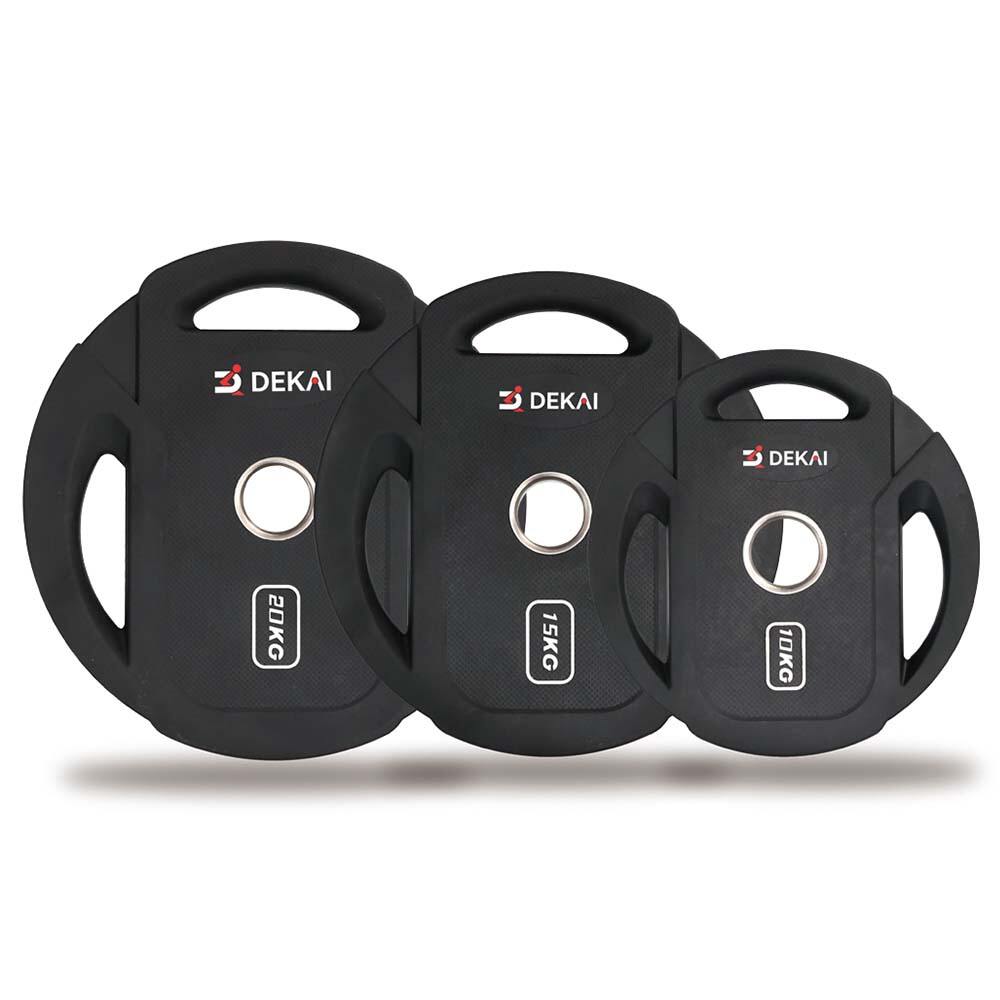
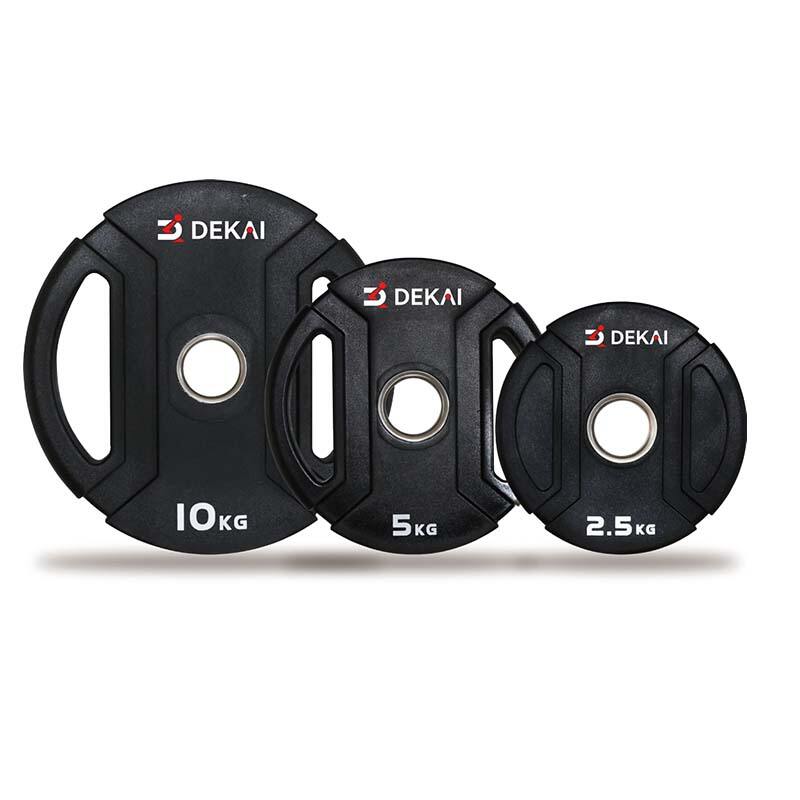
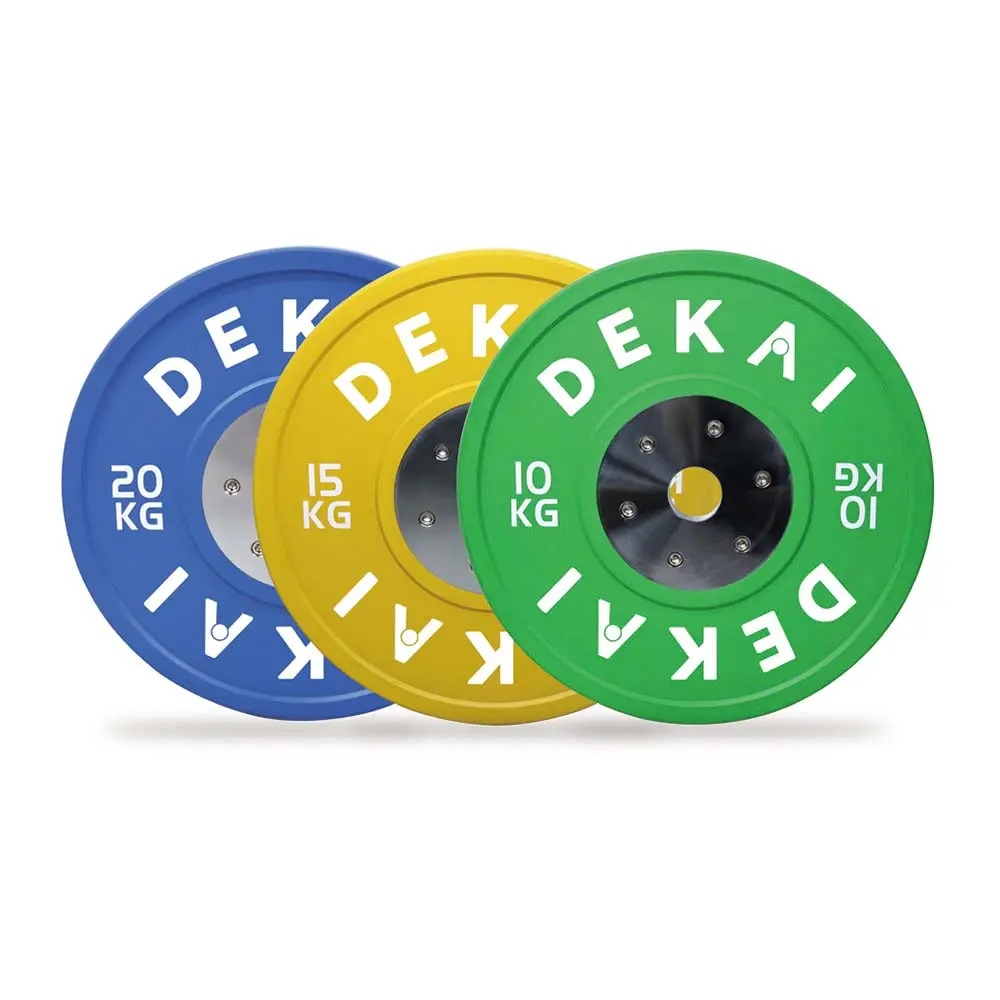
Barbell plates standard refers to the internationally recognized specifications that govern the manufacturing, dimensions, weight accuracy, and performance characteristics of weight plates used in strength training and Olympic weightlifting. These standards ensure consistency across different manufacturers and guarantee that athletes, fitness enthusiasts, and training facilities can rely on precise measurements when performing exercises. The primary function of the barbell plates standard is to establish uniform criteria for plate diameter, thickness, hole size, weight tolerance, and material composition. This standardization allows plates from different brands to be used interchangeably on standard barbells while maintaining balance and safety during lifts. The technological features embedded within the barbell plates standard include specific requirements for the center hole diameter, typically 50-52mm for Olympic plates, ensuring a secure fit on Olympic barbells. The standard also dictates that plates must have consistent outer diameters, with the largest plates measuring 450mm, allowing them to roll smoothly and stack efficiently. Weight accuracy is another critical aspect, with tolerances typically within 1-2 percent of the stated weight, ensuring that a 20kg plate actually weighs between 19.8kg and 20.2kg. The standard covers material specifications as well, whether plates are made from cast iron, rubber-coated materials, or urethane, each must meet durability and safety requirements. Applications of the barbell plates standard span across multiple environments including commercial gyms, home fitness setups, CrossFit boxes, Olympic weightlifting training centers, powerlifting facilities, and rehabilitation clinics. In competitive settings, adherence to the barbell plates standard is mandatory, as it ensures fair competition where all athletes lift identical weights. For everyday gym users, these standards provide confidence that their training loads are accurate and that equipment from different sources will work together seamlessly, supporting progressive overload training programs and preventing equipment-related injuries caused by imbalanced or poorly manufactured plates.

New Product Releases

The barbell plates standard delivers substantial practical benefits that directly impact your training experience and investment value. First and foremost, standardization guarantees universal compatibility across equipment brands, meaning you can purchase plates from different manufacturers without worrying whether they will fit your existing barbell or match your current collection. This flexibility saves money and eliminates the frustration of discovering incompatible equipment after purchase. The precision weight tolerances mandated by the barbell plates standard ensure your training program progresses accurately. When you add 20kg to your barbell, you are actually adding 20kg, not 19kg or 21kg. This accuracy matters tremendously for progressive overload training, where small, consistent increases drive strength gains. Without standardized weights, you cannot track progress reliably or program training loads effectively. Safety represents another major advantage of the barbell plates standard. Standardized hole diameters prevent plates from sliding or wobbling on the barbell during lifts, reducing the risk of accidents. Consistent outer diameters ensure balanced loading on both sides of the bar, preventing dangerous tilting during exercises. The durability requirements built into the barbell plates standard protect your investment by ensuring plates withstand repeated dropping, typical in Olympic lifting and CrossFit training, without cracking or deforming. This longevity means you purchase plates once rather than replacing inferior products repeatedly. The standard also facilitates easier storage and organization. Uniform dimensions allow plates to stack neatly on storage racks and trees, maximizing space efficiency in your gym or home setup. Standardized color coding, where applicable, enables quick weight identification during workouts, reducing setup time between sets. For facility owners, the barbell plates standard simplifies equipment procurement and maintenance. You can source plates from multiple suppliers while maintaining consistency across your facility, and replacement plates integrate seamlessly with existing inventory. The standard also supports resale value, as standardized plates remain desirable in the secondary market because buyers know they will work with their existing equipment. Training versatility expands with standardized plates, as they work equally well for Olympic lifts, powerlifting movements, general strength training, and functional fitness exercises. The reliability provided by the barbell plates standard removes equipment concerns from your training equation, allowing you to focus entirely on performance, technique, and achieving your fitness goals with confidence that your equipment performs exactly as expected every single session.

Latest News

 A Warm Welcome to the New Year – DEKAI Celebrates with Dumplings and Cards

14

May

A Warm Welcome to the New Year – DEKAI Celebrates with Dumplings and Cards

View More
Stronger Together – DEKAI Looks Back at 2024 and Welcomes 2025

13

May

Stronger Together – DEKAI Looks Back at 2024 and Welcomes 2025

View More
DEKAI – A Name Built on Quiet Strength

13

May

DEKAI – A Name Built on Quiet Strength

View More
DEKAI – A Name Built on Quiet Strength

13

May

DEKAI – A Name Built on Quiet Strength

View More

Get a Free Quote

Our representative will contact you soon.
Email
Mobile/WhatsApp
Name
Company Name
Message
0/1000

barbell plates standard

Precision Weight Accuracy and Measurement Consistency

Precision Weight Accuracy and Measurement Consistency

The barbell plates standard establishes rigorous weight accuracy requirements that fundamentally transform how you approach strength training and athletic performance. Unlike non-standardized plates that may vary significantly from their labeled weight, plates manufactured according to the barbell plates standard must fall within extremely tight tolerance ranges, typically plus or minus 1-2 percent of the stated weight. This precision means a 20-kilogram plate weighs between 19.8 and 20.2 kilograms, ensuring that when you load 100 kilograms onto your barbell, you are lifting an actual 100 kilograms rather than 97 or 103 kilograms. This level of accuracy proves essential for several critical training applications. In progressive overload programming, where you systematically increase training loads by small increments over time, accurate weights allow you to track genuine strength improvements rather than random fluctuations caused by inconsistent equipment. When your training log shows a 5-kilogram increase in your squat over eight weeks, you can trust that this represents real strength gains rather than equipment variability. For competitive athletes preparing for powerlifting or Olympic weightlifting competitions, training with barbell plates standard-compliant equipment ensures that gym training loads match competition loads exactly, eliminating surprises on competition day. The psychological benefit of weight accuracy cannot be overstated either. Knowing your plates weigh exactly what they claim builds confidence in your training program and removes doubt about whether progress is real or equipment-related. The barbell plates standard also addresses weight distribution and balance, requiring that weight be evenly distributed throughout the plate rather than concentrated in specific areas. This balanced construction prevents wobbling during lifts and ensures smooth bar rotation during Olympic movements like snatches and clean and jerks. The calibration processes required by the barbell plates standard involve sophisticated measurement equipment and quality control procedures that verify each plate meets specifications before leaving the factory. This manufacturing rigor translates directly into training reliability, allowing you to focus on technique, effort, and programming rather than questioning whether your equipment provides accurate feedback about your performance capabilities and training progress.
Universal Compatibility and Interchangeable Design

Universal Compatibility and Interchangeable Design

One of the most valuable aspects of the barbell plates standard involves the universal compatibility it creates across different manufacturers, equipment types, and training environments. The standard specifies exact dimensions for the center hole diameter, typically 50-52 millimeters for Olympic plates and 25-26 millimeters for standard plates, ensuring that any compliant plate fits securely on any compliant barbell without excessive play or dangerous looseness. This interchangeability delivers enormous practical advantages for both individual users and facility operators. When you purchase new plates to expand your home gym, you need not worry about whether they will fit your existing barbell or match the plates you already own. The barbell plates standard guarantees compatibility, allowing you to mix and match brands based on availability, price, or specific features like rubber coating or grip handle design. This flexibility proves especially valuable when building a plate collection over time, as you can take advantage of sales and deals without being locked into a single manufacturer. For commercial gyms and training facilities, the barbell plates standard simplifies equipment management significantly. Facility managers can source plates from multiple suppliers to meet budget constraints or availability requirements while maintaining consistency across all training stations. When plates need replacement due to wear or damage, new plates integrate seamlessly with existing inventory regardless of manufacturer. The standard also facilitates equipment sharing and transfer between locations, as standardized plates work universally across different facilities. The outer diameter specifications within the barbell plates standard create additional compatibility benefits. The largest plates, typically 20-kilogram or 45-pound plates, share a common 450-millimeter diameter, ensuring they contact the ground at the same height regardless of manufacturer. This consistency matters tremendously for exercises like deadlifts, where bar height affects starting position and technique. Smaller plates have proportionally smaller diameters, allowing for logical progression and easy visual identification. The barbell plates standard also addresses sleeve length compatibility, ensuring that standard plate combinations fit properly on barbell sleeves without excessive crowding or wasted space. This attention to dimensional relationships means you can load multiple plate combinations without running out of sleeve space or creating unstable loading configurations that compromise safety during lifts.
Enhanced Durability and Long-Term Performance Standards

Enhanced Durability and Long-Term Performance Standards

The barbell plates standard incorporates comprehensive durability requirements that ensure plates withstand the demanding conditions of serious strength training over extended periods. These standards address material composition, construction methods, coating integrity, and impact resistance, creating plates that maintain their performance characteristics through years of heavy use. For cast iron plates, the barbell plates standard specifies minimum material density and structural integrity requirements that prevent cracking, chipping, or deformation even when plates are dropped repeatedly from overhead positions during Olympic lifts or CrossFit workouts. The standard requires that plates maintain their shape and weight accuracy even after thousands of drops, ensuring long-term reliability. For rubber-coated and urethane-coated plates, the barbell plates standard establishes bonding strength requirements between the coating and the iron core, preventing delamination where the rubber separates from the metal. This bonding integrity proves critical because separated coatings create safety hazards and render plates unusable. The standard also specifies minimum coating thickness and material properties that resist tearing, gouging, and degradation from environmental factors like temperature fluctuations, humidity, and UV exposure. These durability standards translate directly into cost savings and training consistency for users. Plates that meet the barbell plates standard last significantly longer than inferior alternatives, reducing replacement frequency and lowering the total cost of ownership over the equipment's lifespan. A set of standard-compliant plates might cost more initially but will likely outlast several sets of cheaper, non-compliant alternatives, making them more economical in the long run. The performance consistency enabled by durability standards also matters tremendously for training effectiveness. Plates that maintain their weight accuracy and structural integrity over time provide reliable training feedback year after year, allowing you to track genuine progress without equipment degradation introducing variables into your performance data. The barbell plates standard also addresses surface finish quality, requiring smooth edges and surfaces that prevent injuries during handling and plate changes. Burrs, sharp edges, and rough surfaces that characterize poorly manufactured plates are eliminated by standard compliance, making plate handling safer and more comfortable. The standard's impact resistance requirements ensure plates can handle the dynamic loading conditions of Olympic lifting, where plates experience sudden deceleration forces when dropped from height, without structural failure or permanent deformation that would affect future performance.
Barbell Plates Standard: Complete Guide to Weight Plate Specifications and Benefits

Get a Free Quote

Our representative will contact you soon.
Email
Mobile/WhatsApp
Name
Company Name
Message
0/1000