Versatile Training Applications and Exercise Variety
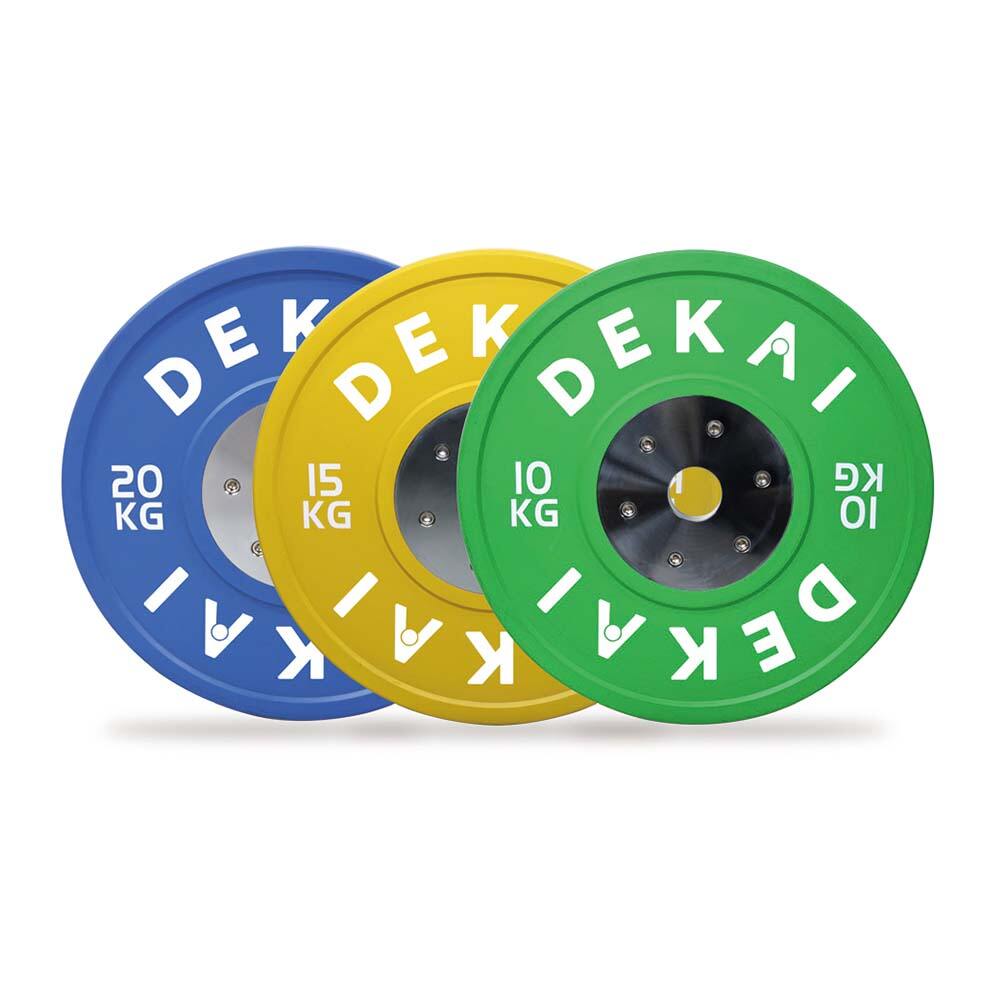
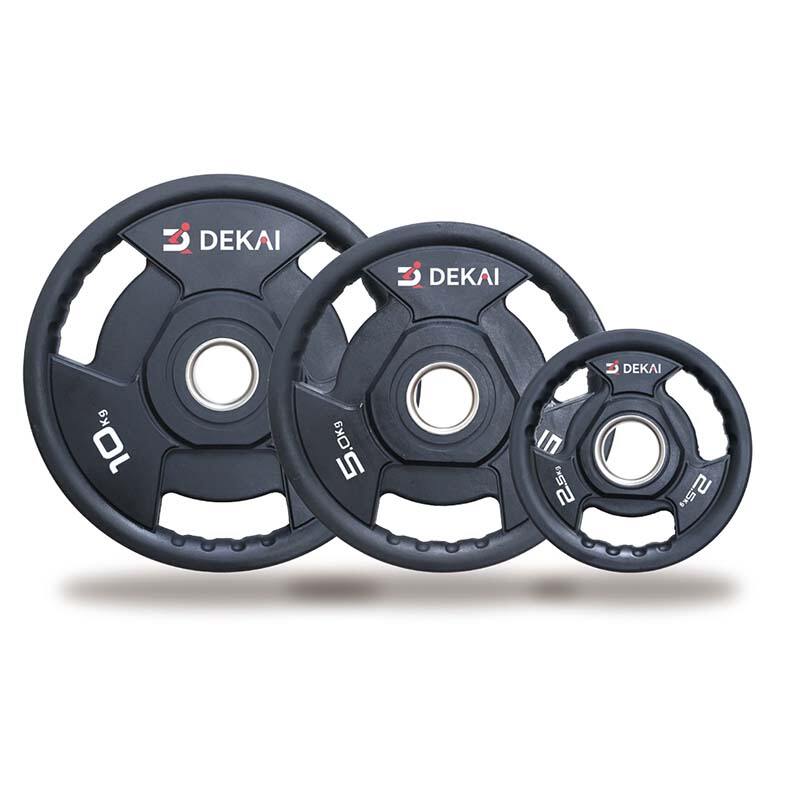
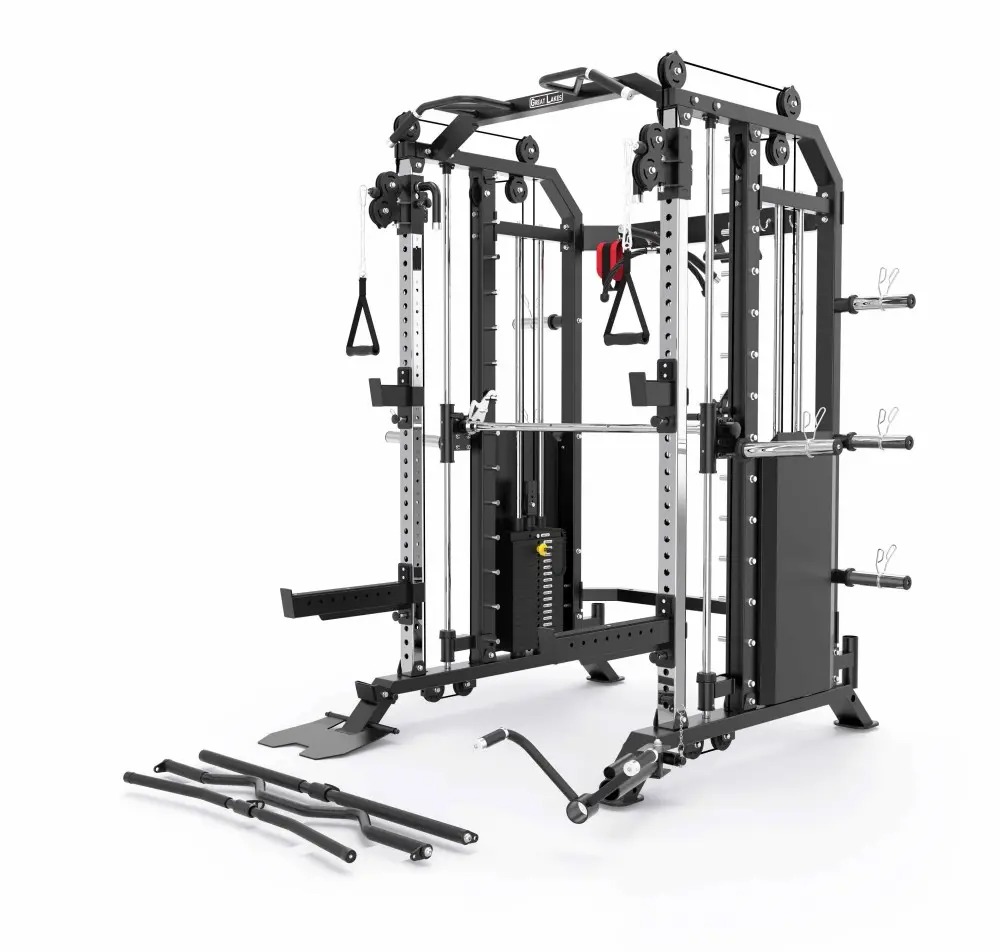
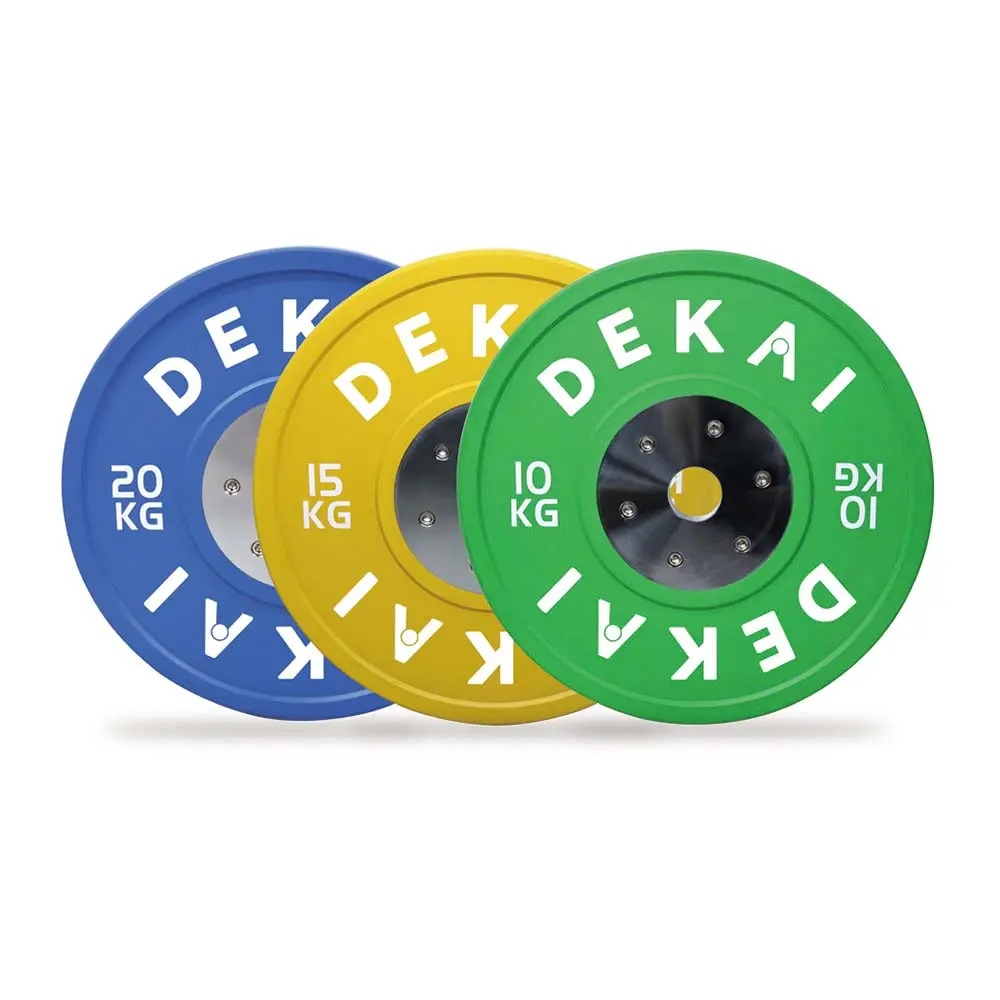
Barbell plates unlock an expansive universe of exercise possibilities that target every major muscle group through compound movements, isolation exercises, and functional training patterns. The foundational role of barbell plates in strength training stems from their seamless integration with classic exercises including back squats that develop quadriceps, glutes, and hamstrings while challenging core stability throughout the movement pattern. Deadlift variations utilizing barbell plates build posterior chain strength encompassing the lower back, glutes, hamstrings, and trapezius muscles through one of the most effective full-body exercises available. Bench press movements performed with plate-loaded barbells remain the gold standard for developing chest, shoulder, and triceps strength while allowing precise weight adjustments to match individual capabilities. Overhead press exercises challenge shoulder muscles, upper back stabilizers, and core musculature as lifters drive weighted barbells from shoulder height to full arm extension above the head. Beyond these fundamental movements, barbell plates facilitate Romanian deadlifts, bent-over rows, front squats, power cleans, and snatch variations that form the backbone of Olympic weightlifting disciplines. The training diversity extends to single-leg exercises such as Bulgarian split squats and lunges where barbell plates provide the resistance necessary for unilateral strength development and muscular balance correction. Core training benefits tremendously from barbell plates through exercises like Russian twists, plate halos, and weighted sit-ups that intensify abdominal engagement beyond bodyweight limitations. Functional fitness enthusiasts incorporate barbell plates into ground-to-overhead movements, thrusters, and complex combinations that develop work capacity, cardiovascular endurance, and multi-directional strength simultaneously. Rehabilitation protocols leverage lighter barbell plates to gradually reintroduce loading during recovery from injuries, allowing physical therapists to prescribe precise resistance levels that promote healing without risking re-injury. Athletic performance training utilizes barbell plates for explosive power development through jump squats, speed pulls, and dynamic effort methods that translate directly to improved sports performance. Home exercisers appreciate how barbell plates combine with basic equipment like adjustable benches and squat stands to replicate comprehensive gym functionality within residential spaces. Group fitness classes incorporate barbell plates into body pump routines and strength circuits where participants perform high-repetition sets at moderate weights to improve muscular endurance and metabolic conditioning. The adaptability of barbell plates ensures they remain relevant across training philosophies from traditional bodybuilding splits to modern strength and conditioning programs, providing lasting value that justifies initial investment costs through years of diverse training applications.


 EN
EN