Exceptional Durability and Material Quality Ensuring Decades of Reliable Performance
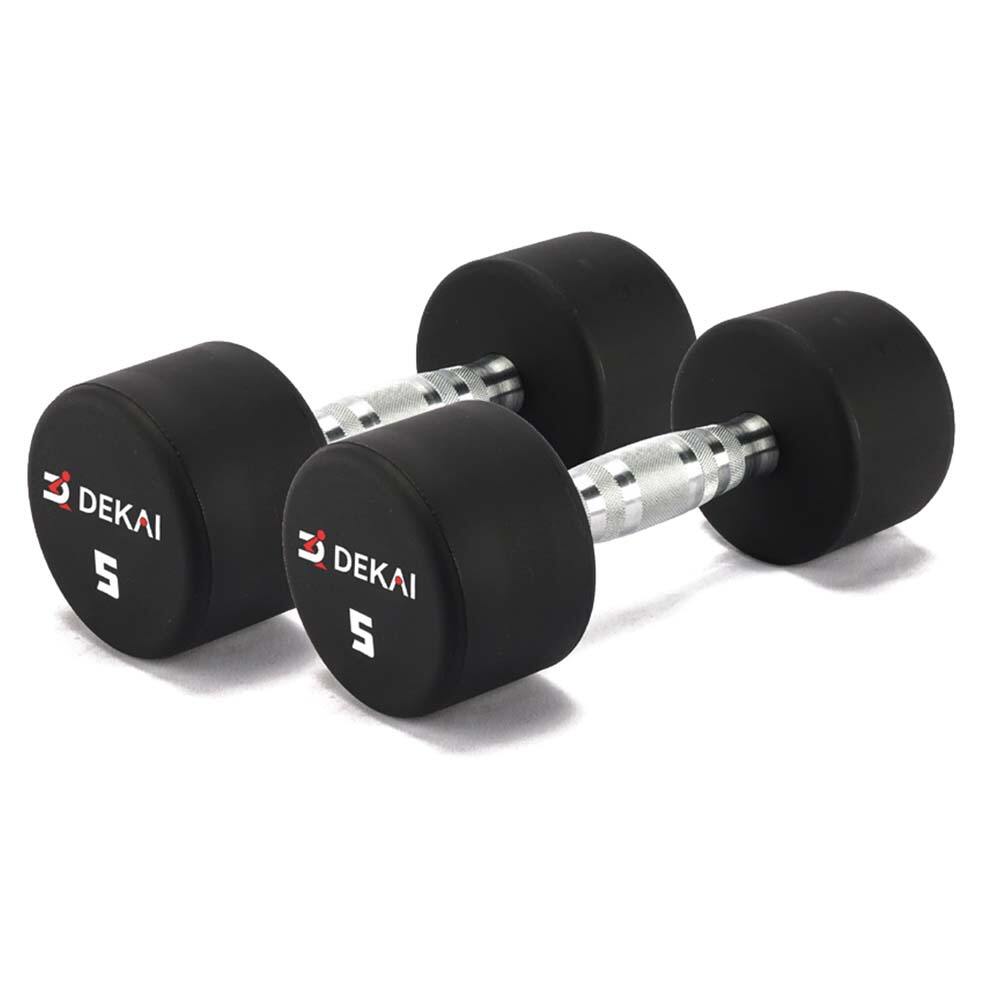
The construction quality and material composition of a 32.5 kg dumbbell determine its functional lifespan, maintenance requirements, and overall value proposition for both individual users and commercial facilities. Premium dumbbells utilize solid cast iron or forged steel cores that provide structural integrity capable of withstanding repeated impacts, sustained loading stress, and environmental exposure over decades of regular use. The material density ensures weight accuracy and consistency, critical factors for progressive training programs where precise load quantification drives systematic strength development. Solid construction eliminates internal voids or inconsistencies that could create weak points leading to catastrophic failure during use. Manufacturing processes significantly impact durability, with quality producers employing heat treatment protocols that enhance material hardness and impact resistance beyond raw material specifications. The coating or finishing layer serves multiple protective functions, preventing oxidation that causes rust formation while providing impact absorption that protects both the dumbbell and contact surfaces. Rubber coating options deliver superior floor protection, crucial for home users with hardwood or tile flooring, while dampening noise during placement that benefits apartment dwellers and shared spaces. Alternatively, chrome or enamel finishes offer aesthetic appeal and easy cleaning while maintaining relatively compact dimensions compared to thicker rubber coatings. The bonding integrity between coating materials and metal cores determines long-term appearance and functionality, with inferior products experiencing delamination, cracking, or peeling that creates unsightly deterioration and potential safety hazards. Quality control processes include drop testing from specified heights, ensuring the 32.5 kg dumbbell survives realistic handling scenarios encountered in busy gym environments or home training spaces. Weld quality on adjustable dumbbell collars or handle attachments receives scrutiny, as these junction points experience tremendous shear forces during dynamic movements. The investment value of durable construction becomes apparent through lifecycle cost analysis, where premium dumbbells costing moderately more initially deliver decades of service while budget alternatives require replacement within years. Environmental resistance extends product lifespan in challenging conditions, with corrosion-resistant materials and coatings enabling outdoor training or storage in humid basements without degradation. The stability of weight accuracy over time matters significantly, as material wear or coating deterioration should not alter the actual mass, which would compromise training data and progression tracking. Commercial gym operators particularly value durability given the intensive daily use patterns across multiple users with varying handling care levels. The resale value of quality 32.5 kg dumbbells remains strong due to their longevity, with used premium dumbbells commanding substantial prices in secondary markets. Maintenance simplicity represents another durability advantage, as solid construction requires only occasional cleaning without lubrication, adjustment, or parts replacement. The environmental sustainability aspect deserves consideration, with durable equipment reducing waste streams and resource consumption associated with manufacturing replacement items. Aesthetic longevity proves important for home gym enthusiasts who want equipment maintaining attractive appearance throughout years of display and use. The confidence derived from owning premium durable equipment enhances training commitment, as quality tools inspire respect and careful use that further extends functional life while creating pride in one's training environment.


 EN
EN