Optimal Weight Specification for Progressive Strength Development
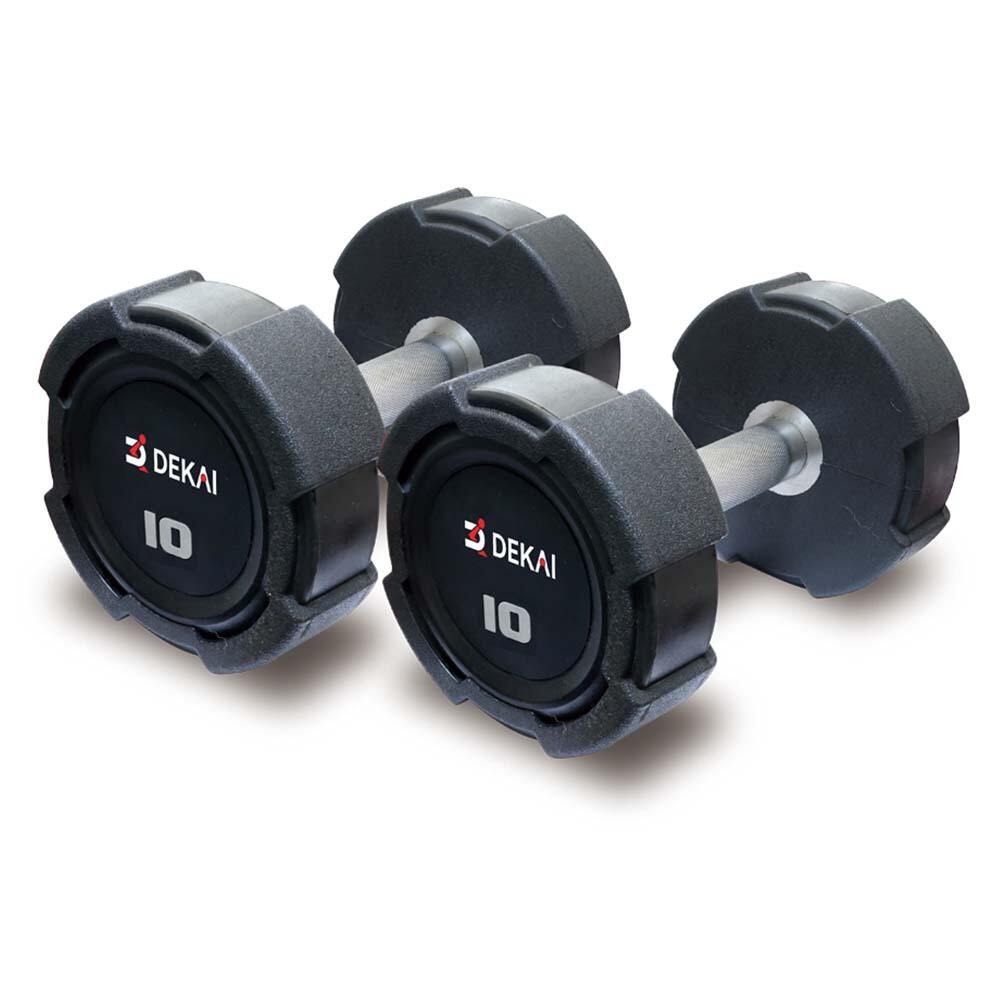
The ten-kilogram weight specification of this hexagonal dumbbell occupies a strategic position in the strength training progression curve, offering substantial benefits for exercisers across diverse fitness levels and training objectives. For those graduating from lighter weights, the 10 kg hexagonal dumbbell represents a meaningful step up that challenges muscles sufficiently to trigger adaptation responses while remaining manageable enough to maintain proper exercise form throughout complete sets. This weight allows you to execute traditional strength-building repetition ranges of eight to twelve reps with appropriate difficulty, creating the mechanical tension necessary for muscle growth and strength gains. The 10 kg hexagonal dumbbell proves particularly effective for unilateral exercises that work one limb at a time, such as single-arm rows, one-arm shoulder presses, or Bulgarian split squats where you hold the weight at your side. These movements naturally feel more challenging than bilateral exercises because your body cannot compensate by shifting load to your stronger side, making the ten-kilogram weight appropriately demanding. Intermediate exercisers discover that the 10 kg hexagonal dumbbell serves excellently for higher-volume training protocols focused on muscular endurance and metabolic conditioning, where performing fifteen to twenty repetitions with controlled tempo creates significant training stimulus without requiring extremely heavy loads. This weight specification also supports quality warm-up routines before progressing to heavier working sets, allowing you to prepare muscles, joints, and nervous system patterns adequately. Female strength athletes often find the 10 kg hexagonal dumbbell perfectly suited for main working sets across numerous exercises, while male exercisers may utilize this weight for accessory movements, isolation exercises, or training phases emphasizing technique refinement over maximum loading. The versatility inherent in this weight specification means a single pair of ten-kilogram hexagonal dumbbells can support entire workout programs spanning several months as you explore different training methodologies and exercise variations. Rather than requiring constant equipment changes, you can manipulate training variables like tempo, rest periods, and volume to continually challenge your body using the same 10 kg hexagonal dumbbell. This consistency proves valuable for tracking progress accurately, as you can measure improvements through increased repetitions, better form, or reduced rest requirements rather than constantly adjusting weight and losing clear performance metrics. The moderate weight facilitates skill development for complex movement patterns such as dumbbell snatches, Turkish get-ups, or rotational exercises where excessive loading would compromise technique learning, yet the 10 kg hexagonal dumbbell provides sufficient resistance to feel productive rather than merely rehearsing empty patterns.



 EN
EN