 EN
EN

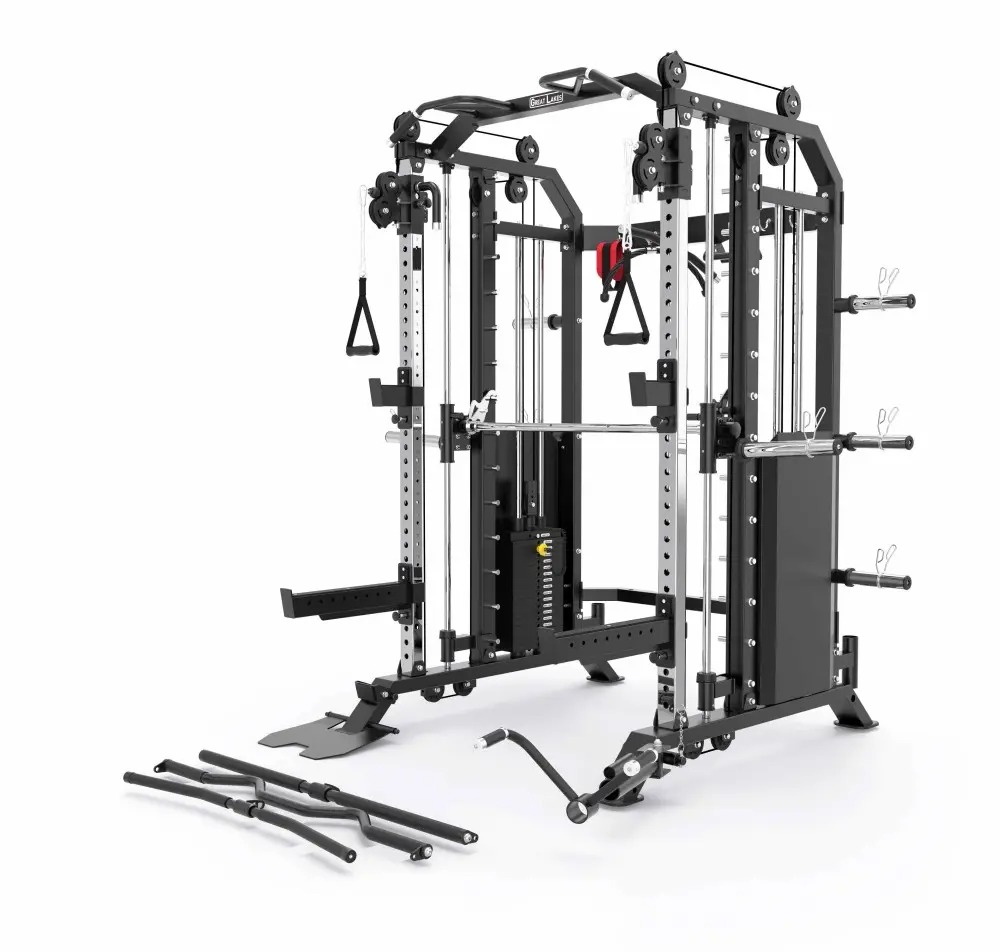
Compound training programs represent the gold standard for building functional strength, muscle mass, and athletic performance. Yet the safety, efficiency, and effectiveness of these programs depends critically on one essential piece of equipment: power racks. Without proper support infrastructure, athletes risk injury, compromise form, and lose the ability to push progressive overload safely. Understanding why power racks are indispensable reveals how they transform training outcomes across gyms, CrossFit facilities, and strength-focused training environments.
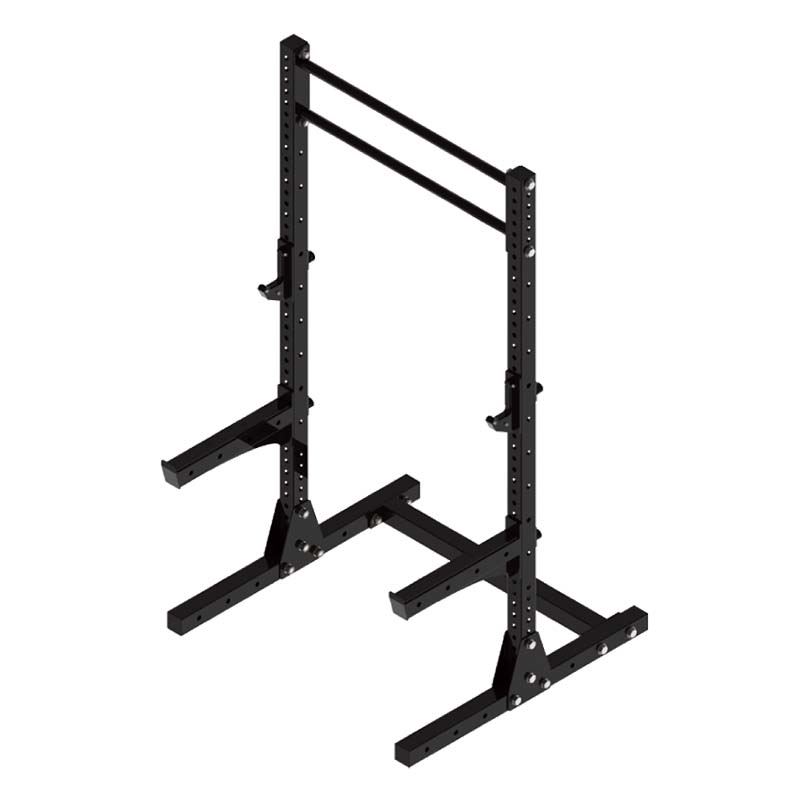
Compound exercises like squats, bench presses, and deadlifts form the foundation of effective strength training. These movements demand precision, control, and reliable safety mechanisms. Power racks provide the structural framework that makes progressive overload sustainable, which is why elite athletes and commercial gyms invest in quality power racks as non-negotiable equipment. Whether training for powerlifting competition, general fitness, or athletic development, power racks enable consistent progress while protecting trainers from failure scenarios.
Safety and Injury Prevention Through Proper Equipment
Reducing Injury Risk During Heavy Compound Movements
The primary function of power racks is to provide safety catches and pins that halt weight movement if form breaks down or strength fails. During heavy squats, bench presses, or overhead presses, trainers often approach their maximal load, where a single rep failure could result in dropped weight, crushed limbs, or spinal injury. Power racks eliminate this catastrophic failure scenario by offering adjustable safety arms positioned at precise heights. This safety infrastructure allows athletes to train with maximal intensity without requiring spotters for every single set, making power racks indispensable in commercial gyms and training facilities.
Enabling Progressive Overload With Confidence
Progressive overload, the gradual increase of training stimulus, is essential for continuous strength gains. Many athletes plateau because they fear attempting heavier weight without adequate safety measures. Power racks remove this psychological and physical barrier. When trainers know they have reliable safety catches beneath loaded barbells, they can confidently attempt new personal records, pursue challenging rep ranges, and push compound training to higher intensity levels. This confidence directly translates to faster strength development and more effective compound training programs.
Structural Support for Maximal Compound Exercises
Accommodating Varied Compound Training Modalities
Power racks support multiple compound training styles and exercise variations. Barbell back squats, front squats, safety bar squats, bench presses, floor presses, and pin squats all require stable structural framing that power racks uniquely provide. The vertical uprights, horizontal beam, and adjustable pins create a versatile platform for executing compound exercises with precision. Different training programs demand different exercise variations, and quality power racks accommodate this flexibility while maintaining consistent safety standards. This adaptability makes power racks essential for gyms serving diverse training populations.
Supporting High-Volume Compound Training Sessions
Serious compound training programs often involve multiple sets across heavy loading ranges. A trainee might perform eight sets of squats ranging from heavy doubles to volume sets of eight to ten reps. Power racks handle this volume by providing consistent support and positioning across extended training sessions without degradation. The uprights, safety mechanisms, and structural integrity of power racks remain stable and reliable regardless of volume. This durability and consistency enable athletes to complete entire compound training sessions with identical safety and structural conditions throughout.
Performance Optimization and Strength Development
Precision Exercise Execution and Form Standards
Compound exercises demand consistent positioning and depth achievement. Power racks establish consistent reference points through uprights, pins, and safety arms that help trainers maintain proper depth and positioning across all sets. This consistency is critical in compound training programs because form variations between sets lead to inconsistent stimulus and training inefficiency. Athletes using power racks for squats, for example, can set safety pins at identical depths, ensuring that all sets hit the same range of motion. This precision directly improves training quality and compound exercise effectiveness.
Enabling Training Frequency and Recovery Optimization
Power racks make frequent compound training sessions more feasible because trainers can work at higher intensities with lower injury risk. When safety is assured through quality power racks, athletes can include compound training in multiple sessions weekly without excessive concern about accumulated fatigue or form breakdown. This enables training programs that emphasize compound lifts across multiple sessions, which accelerates adaptation and strength development. Coaches designing compound training programs can confidently program higher frequency because power racks reduce the injury variables that would otherwise limit session frequency.
FAQ
Why are power racks better than smith machines for compound training?
Power racks use free barbells, requiring stabilizer muscles and natural movement patterns, whereas smith machines guide movement along fixed paths. For compound training, power racks develop superior functional strength because they demand core stabilization and activate secondary muscle groups that smith machines bypass. Additionally, power racks allow natural variation in exercise mechanics, which better addresses real-world movement demands.
How do power racks fit into periodized compound training programs?
Power racks support all training phases, from heavy strength blocks requiring single to triple rep maxes to hypertrophy phases emphasizing eight to twelve rep sets. The adjustable safety mechanisms adapt to different exercise variations and rep ranges, making power racks essential infrastructure for periodized compound training. Coaches can manipulate weight, sets, and reps knowing that power racks maintain consistent safety standards across every training phase.
What commercial considerations make power racks essential for gyms?
Commercial gyms require equipment that serves diverse training populations safely and efficiently. Power racks accommodate beginners learning compound movement patterns, intermediate athletes building strength, and advanced lifters pursuing maximal loads. This adaptability reduces liability exposure, increases facility capacity for compound training programs, and justifies equipment investment through broader member appeal and training program offerings.