Եզակի բազմաֆունկցիոնալություն, որը փոխարինում է մի քանի սարքավորումների
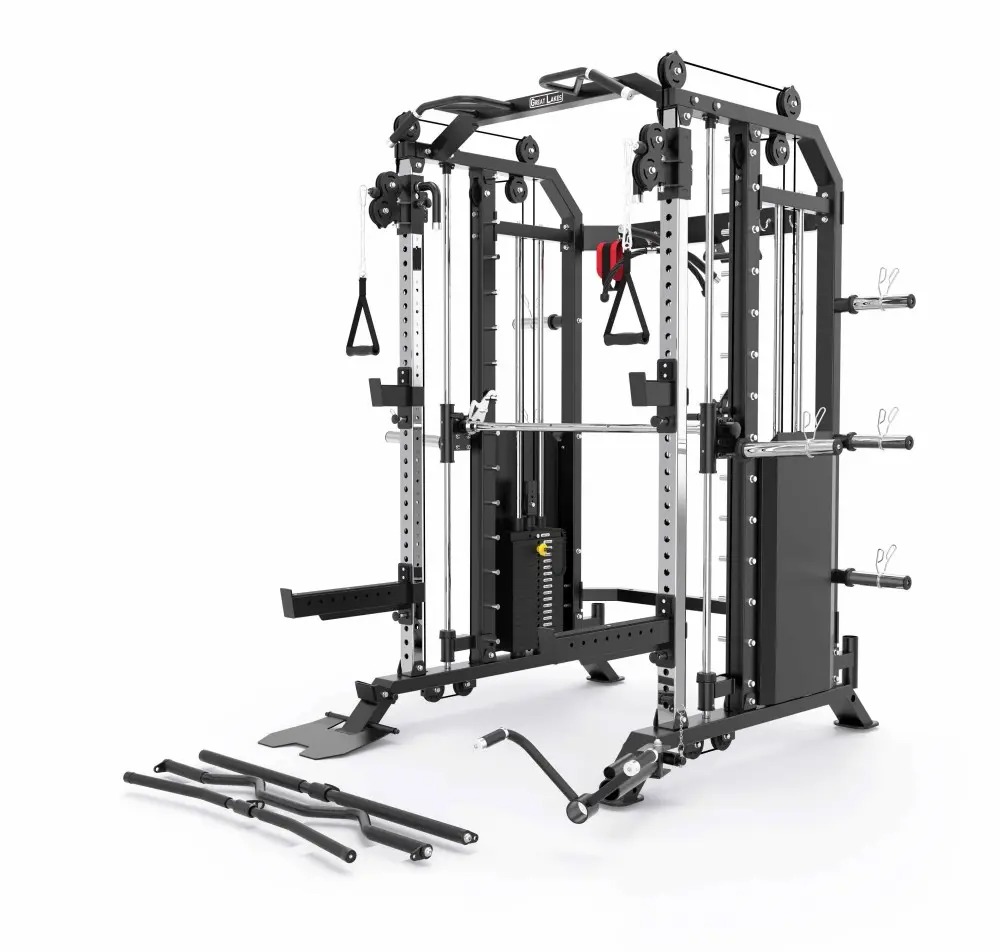
Այն համապարփակ վարժությունների բազմազանությունը, որը հասանելի է ձեր գնելու դեպքում ուժային ռեշտային կառուցվածքներ (power racks), այս մեկ սարքի ներդրումը վերածում է ամբողջական ուժային վարժանքի կենտրոնի: Չնայած անվանումը նշում է, որ այս ռեշտային կառուցվածքները հիմնականում նախատեսված են ուժային մարզաձևերի համար, իրականում դրանց կիրառումը ընդգրկում է գրեթե բոլոր վարժությունները գերազանցավոր վարժանքների հետ մեկտեղ և տարածվում է նաև սեփական քաշով վարժանքների ոլորտներում: Ստորին մարմնի զարգացման համար ուժային ռեշտային կառուցվածքները թույլ են տալիս կատարել հետին սքվաթներ, առջևի սքվաթներ, տուփի վրա սքվաթներ, Բուլղարական կիսասքվաթներ, քայլեր, իսկ վարժանքների բարձրության ճշգրտման հնարավորությունը թույլ է տալիս յուրաքանչյուր վարժություն սկսել ձեր օպտիմալ դիրքից: Անվտանգության համակարգը հնարավորություն է տալիս առանց վախի փորձարկել առավելագույն ջանքի վարժություններ, ինչը կարևոր է ոտքերի ուժի և մկանային զանգվածի աճի համար: Վերին մարմնի մեջ սեղմելու վարժությունները՝ այդ թվում հարթ բենչ պրես, թեքված բենչ պրես, գլխի վրայի սեղմում և մեջ սեղմելու վարժությունները (push press)՝ ամբողջությամբ անվտանգ են կատարվում ռեշտային կառուցվածքի ներսում, իսկ բենչը սահում է գերազանցավորի տակ ճիշտ դիրքի հասնելու համար: Շատ ուժային ռեշտային կառուցվածքների վրա տեղադրված ինտեգրված բարձրացման վահանակը (pull-up bar) ավելացնում է անհրաժեշտ մեջքի և ձեռքերի վարժանքներ՝ բարձրացումներ (pull-ups), այլ բարձրացումներ (chin-ups), կախված ոտքերի բարձրացումներ (hanging leg raises) և այլ սեփական քաշով վարժություններ, որոնք լրացնում են գերազանցավորի վարժանքները: Մեջքի մկանների վրա ազդող տարբեր անկյուններից կատարվող տարբեր տեսակի տարածված վարժություններ՝ այդ թվում ծալված մեջքի վարժություններ (bent-over rows), Պենդլեյի վարժություններ (Pendlay rows) և ռեշտային բարձրացումներ (rack pulls), հնարավորություն են տալիս գերազանցավորը տարբեր բարձրությունների վրա տեղադրել՝ շարժման շրջանակը փոխելու և տարբեր մկանային խմբերի վրա ավելի շեշտադրում անելու համար: Փորձառու մարզիկները ուժային ռեշտային կառուցվածքները օգտագործում են մասնակի շարժման շրջանակով վարժանքների համար՝ անվտանգության վահանակները սահմանափակելով շարժումը և թույլ տալով վերաբեռնված վարժանքներ կատարել այն քաշերով, որոնք գերազանցում են նրանց ամբողջական շարժման շրջանակի հնարավորությունները: Այս տեխնիկան ամրապնդում է ուժը վարժությունների այն մասերում, որտեղ առաջանում են դժվարություններ (sticking points): Լրացուցիչ աքսեսուարների ավելացումը ավելի շատ հնարավորություններ է ստեղծում, քանի որ շատ ուժային ռեշտային կառուցվածքներ ներառում են կցման կետեր դիպ վահանակների, լենդմայն պտտման սարքերի (landmine pivots), լարային համակարգերի և կախված վարժանքի սարքերի (suspension trainers) համար: Այս լրացումները հնարավորություն են տալիս կատարել դիպ վարժություններ, լենդմայն սեղմումներ, լարային խաչաձև վարժություններ և TRX վարժանքներ՝ առանց առանձին սարքեր գնելու: Մարզական վարժանքների համար ուժային ռեշտային կառուցվածքները թույլ են տալիս կատարել օլիմպիական վարժությունների տարբերակներ, վերահսկվող բեռնվածությամբ ցատկող սքվաթներ և այլ պայթյունային վարժություններ, որոնք զարգացնում են ուժային արդյունքը: Վերականգնողական մասնագետները գնահատում են այն փաստը, որ ուժային ռեշտային կառուցվածքները հնարավորություն են տալիս ճշգրիտ բեռնվածություն և շարժման շրջանակի վերահսկում վնասվածքից վերականգնվող հիվանդների համար՝ մեկ քայլ առ մեկ վերականգնելով ուժը հսկվող առաջընթացի միջոցով: Ռեշտային կառուցվածքի ինքն իրեն ծառայում է որպես դիմադրության ժապավենների (resistance bands) ամրացման կետ, ինչը հնարավորություն է տալիս կատարել փոփոխական դիմադրության վարժանքներ, որոնք յուրաքանչյուր կրկնության ընթացքում մկանների վրա ազդում են տարբեր ձևերով: Այս մեկ սարքը հիմնականում վերացնում է անհրաժեշտությունը ոտքերի սեղմման մեքենաների, Սմիթի մեքենաների, լարային կայանների և մի քանի բենչերի առկայության մեջ, ինչը ձեր ուժային վարժանքների ամբողջ պահանջները միավորում է մեկ հզոր կառուցվածքում, որը հարմարվում է ցանկացած վարժանքի նպատակի:




 EN
EN