 EN
EN

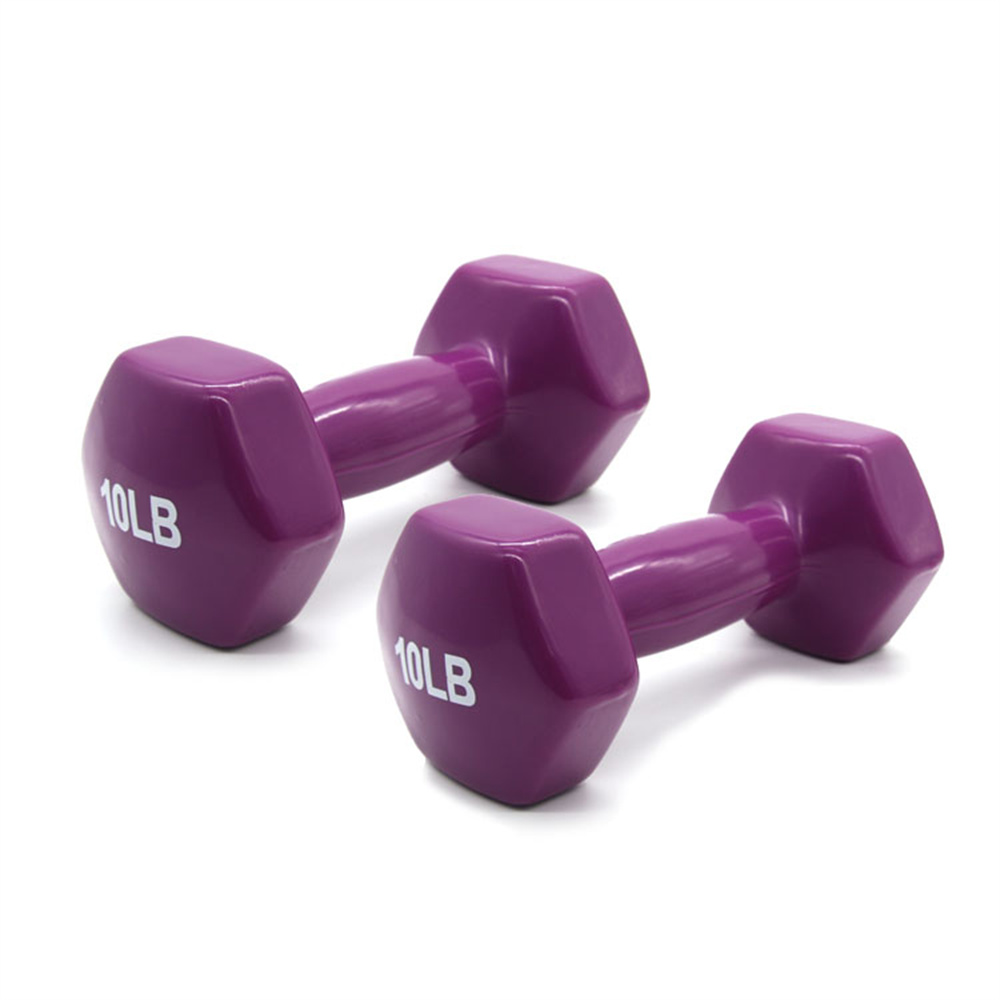
When designing a gym in a residential building, a corporate wellness center, or a boutique fitness studio, noise control becomes a critical operational concern. Every equipment decision shapes the acoustic environment, and the choice of free weights is no exception. rubber dumbbells have become the default solution in these settings, and understanding why reveals a great deal about how modern gym operators balance performance with environmental responsibility.
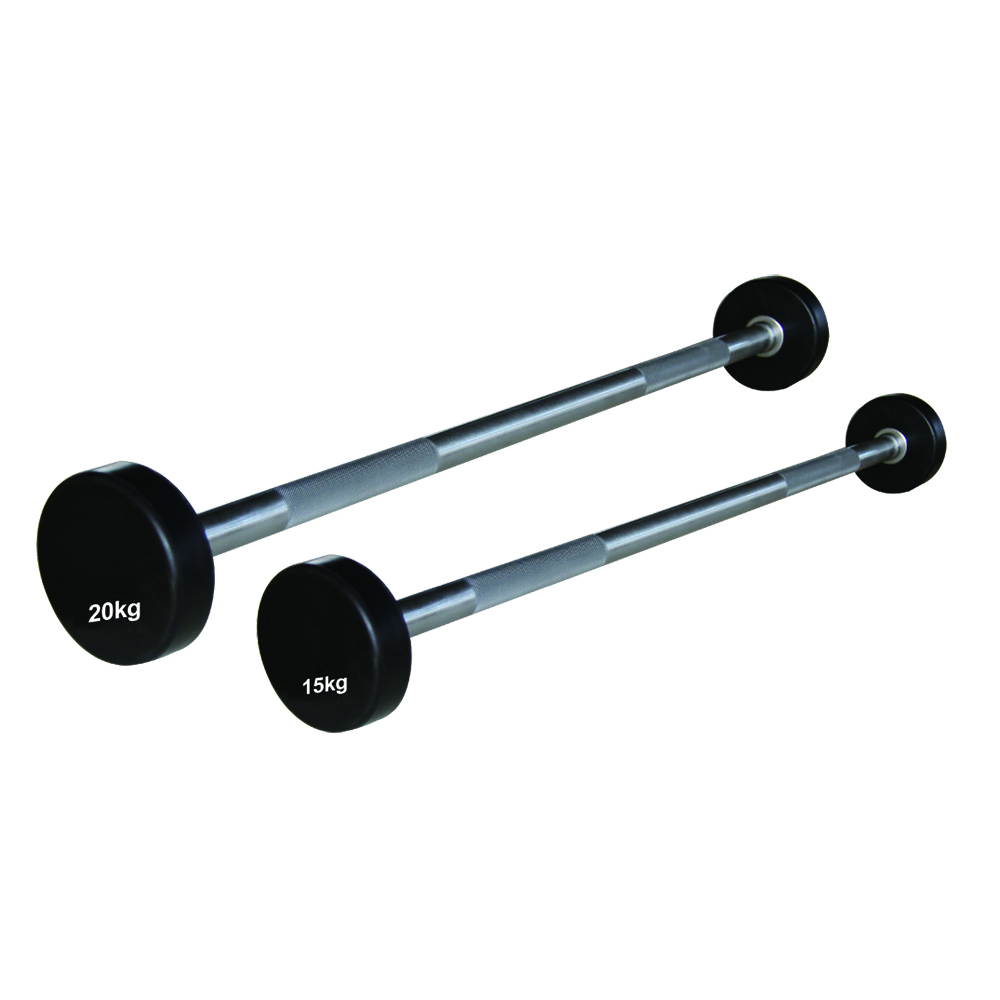
The prevalence of rubber dumbbells in noise-sensitive environments is not coincidental. It reflects a deliberate intersection of material science, facility management priorities, and user safety considerations. Rubber dumbbells absorb impact, resist corrosion, and reduce floor damage in ways that bare iron or chrome alternatives simply cannot match. This article explores the specific reasons why rubber dumbbells have become the standard in quiet, professional gym environments worldwide.
The Acoustic Advantages of Rubber Dumbbells
Impact Absorption and Sound Dampening
The single most important reason rubber dumbbells dominate quiet gym spaces is their natural ability to absorb impact energy. When a user sets down rubber dumbbells between sets or accidentally drops them, the rubber coating cushions the collision between the weight and the floor. This cushioning effect dramatically reduces the sharp metallic clang that bare iron dumbbells produce. In noise-sensitive facilities, even a moderate reduction in impact sound translates into a noticeably more comfortable environment for all occupants.
Rubber dumbbells also reduce the resonance that spreads through building structures. Hard metal weights transfer vibration energy directly into flooring, which then travels through the structural frame and amplifies sound in adjacent rooms. Rubber dumbbells interrupt this transfer path. The elastomeric outer layer acts as a vibration buffer, keeping disturbance localized and preventing it from propagating through walls and ceilings. In multi-story buildings, this property alone justifies the investment in rubber dumbbells over traditional alternatives.
Compatibility with Acoustic Flooring Systems
Many noise-sensitive gyms install specialized acoustic flooring, such as rubber tiles or foam underlays, to further manage sound. Rubber dumbbells work in harmony with these flooring systems. When rubber dumbbells contact a rubber floor, the interaction remains soft and controlled rather than generating secondary bounce or harsh rebound noise. This synergy between rubber dumbbells and acoustic flooring creates a layered noise-reduction strategy that is highly effective in professional environments. Gym operators who invest in acoustic flooring maximize that investment when they pair it with rubber dumbbells.
Floor and Equipment Protection in Sensitive Facilities
Preventing Surface Damage
Noise-sensitive gyms often occupy premium real estate — converted offices, hotel fitness centers, or luxury residential amenity floors. These spaces typically feature high-quality flooring that must be protected from damage. Rubber dumbbells provide a critical layer of protection because their encasing material is far softer than bare iron. When rubber dumbbells are placed on or accidentally contact hardwood, vinyl, or polished concrete floors, the risk of scratches, dents, or gouges is substantially lower. Facility managers recognize that the cost of floor repairs far exceeds the incremental cost of choosing rubber dumbbells over uncoated alternatives.
Rubber dumbbells also protect storage racks and surrounding equipment. The rubber coating prevents metal-on-metal contact during racking, eliminating the scraping sounds and surface wear that uncoated dumbbells cause over time. In a quiet facility, even the routine sounds of racking and re-racking weights matter. Rubber dumbbells reduce these micro-disturbances, contributing to an overall atmosphere of calm and control.
Durability and Maintenance in High-Use Environments
Commercial gyms require equipment that maintains its integrity across thousands of use cycles. Rubber dumbbells are exceptionally well-suited to high-frequency use because the rubber encasing resists corrosion, oxidation, and surface degradation. Unlike bare iron dumbbells, which rust when exposed to moisture and sweat, rubber dumbbells remain structurally sound and visually clean with minimal maintenance. This durability is particularly valuable in environments like hotel gyms or corporate wellness centers, where equipment must look professional and perform reliably without constant replacement cycles.
User Safety and Handling Comfort
Grip Security and Reduced Slip Risk
Rubber dumbbells offer ergonomic benefits that directly support user safety. The textured rubber surface provides a more secure grip than polished metal, reducing the likelihood of the weight slipping during exercise. In a quiet, focused gym environment, safety incidents are particularly disruptive. By selecting rubber dumbbells, operators reduce the risk of drops, which protects both users and the facility. The secure grip that rubber dumbbells provide is especially important for users performing complex movements or exercises near peak fatigue.
Beyond grip, rubber dumbbells are more comfortable to handle during extended training sessions. The rubber material does not absorb body heat in the same way metal does, meaning rubber dumbbells remain at a neutral temperature that is more pleasant to hold. Users in quieter, more mindful training environments — such as yoga-adjacent studios or rehabilitation centers — often prefer rubber dumbbells precisely because they feel more natural and less industrial in the hand.
Injury Risk Reduction During Accidental Drops
Accidental drops are inevitable in any gym, regardless of how disciplined the user base is. Rubber dumbbells significantly reduce injury risk when drops occur. The rubber encasing absorbs kinetic energy on contact with the floor, limiting the rebound height and preventing the weight from skipping unpredictably. A bare iron dumbbell that is dropped can bounce in an uncontrolled direction, creating a hazard for nearby users. Rubber dumbbells, by contrast, tend to stay where they land, making the drop safer for everyone in the immediate vicinity. This controlled behavior is a significant operational advantage for gym managers responsible for member safety.
FAQ
Are rubber dumbbells suitable for all types of gym environments?
Yes, rubber dumbbells are suitable for virtually all commercial and private gym environments. They are especially advantageous in noise-sensitive spaces, but their durability, safety profile, and floor-protection qualities make rubber dumbbells a practical choice even in standard fitness facilities. Commercial gyms, hotel fitness centers, corporate wellness spaces, and rehabilitation studios all benefit from using rubber dumbbells as their primary free weight option.
Do rubber dumbbells require special maintenance or cleaning routines?
Rubber dumbbells require only basic maintenance to stay in good condition. Regular wiping with a mild disinfectant solution is sufficient to remove sweat, oils, and surface contaminants. Unlike bare iron dumbbells, rubber dumbbells do not rust or corrode, so there is no need for rust-prevention treatments. Inspecting rubber dumbbells periodically for cracks or peeling in the rubber coating is advisable in high-use settings, but overall, rubber dumbbells are among the lowest-maintenance free weight options available.
What weight range do rubber dumbbells typically cover for commercial use?
Commercial rubber dumbbells are available across a broad weight range, typically starting from 2.5 kilograms and extending to 50 kilograms or more depending on the supplier. Most facilities equip their free weight areas with rubber dumbbells in incremental sets, covering light, medium, and heavy ranges to serve diverse user needs. This wide availability means rubber dumbbells can support beginner users and advanced strength athletes within the same facility without requiring separate equipment categories.