 EN
EN

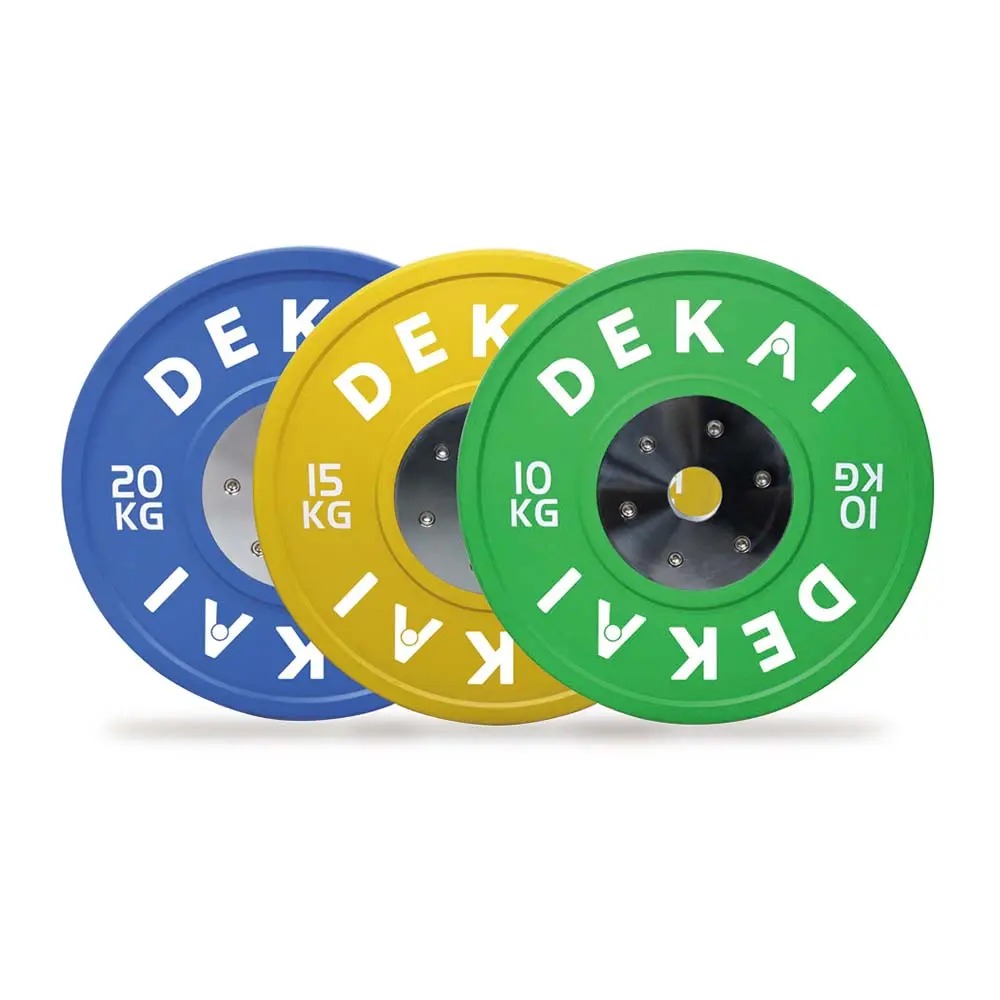
Functional strength training demands equipment that can keep pace with dynamic, multi-plane movements, heavy repetition cycles, and the physical demands of daily use in busy training environments. rubber dumbbells have earned a central place in functional training programs precisely because they meet these demands consistently. Whether the goal is building foundational strength, improving movement quality, or developing athletic power, rubber dumbbells deliver a combination of performance, protection, and practicality that few alternatives can match.
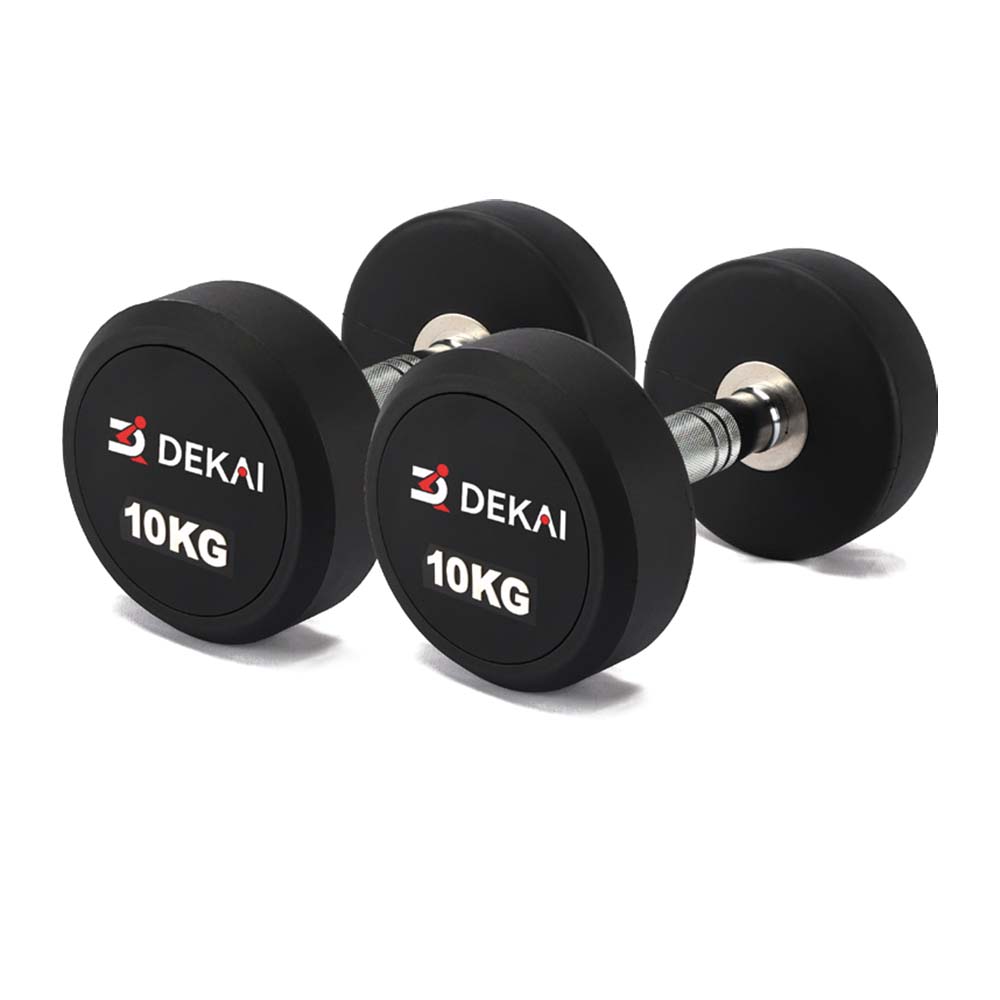
Functional strength programs are built around real-world movement patterns: pushing, pulling, squatting, hinging, carrying, and rotating. The tools used in these programs must support those patterns without adding unnecessary risk or friction. Rubber dumbbells are engineered to fit naturally into this training philosophy, and understanding why starts with examining their physical properties, their role in movement-based training, and the practical advantages they bring to any strength-focused facility or home gym setup.
Physical Properties That Support Functional Training
Rubber Coating and Floor Safety
The rubber coating on rubber dumbbells is more than a cosmetic choice. It serves a direct functional purpose by protecting both the weight and the surface it lands on. In functional strength training, athletes frequently set weights down quickly between exercises, transition rapidly between stations, and sometimes drop rubber dumbbells during fatigue-heavy sets. The rubber encasing absorbs impact, reduces noise, and prevents floor damage, making rubber dumbbells the preferred choice for high-traffic training spaces. This protective quality extends the lifespan of both the weight itself and the flooring beneath it.
Grip Texture and Control During Movement
Functional training involves far more than seated or isolated exercises. Movements like farmer carries, dumbbell thrusters, rotational lunges, and renegade rows require secure, reliable grip at all angles. Rubber dumbbells typically feature a knurled or textured steel handle positioned between rubber-coated heads, offering a consistent grip surface that does not become slippery with sweat. This design characteristic is essential in functional strength programs where hand position and control directly affect movement efficiency and joint safety. Athletes who train with rubber dumbbells report greater confidence when executing complex, multi-joint movements under load.
Fit Within Functional Strength Program Design
Range of Weights and Progressive Overload
Functional strength programs are built on the principle of progressive overload, meaning the training stimulus must increase over time to drive continued adaptation. Rubber dumbbells are available across a broad spectrum of weights, from very light options used for rehabilitation and activation work to heavy rubber dumbbells used for loaded carries and compound pressing. This range allows coaches and athletes to scale rubber dumbbells precisely to each exercise and training phase without needing to switch to entirely different equipment categories. Having a full rack of rubber dumbbells in incremental weight jumps supports periodization models and keeps training structured and measurable.
Hex Shape and Stability for Ground-Based Exercises
Many functional strength movements require rubber dumbbells to rest flat on the floor as a stable support point. Push-up variations, renegade rows, and dumbbell plank holds all depend on the weight staying in place rather than rolling. The hexagonal head design common among rubber dumbbells provides exactly this kind of flat, stable base. The flat sides of rubber dumbbells make them far more reliable than round-headed alternatives in exercises where the dumbbell must bear body weight or serve as a contact point. This practical design detail expands the range of functional exercises that rubber dumbbells can support safely.
Durability and Long-Term Value in Strength Facilities
Resistance to Wear in Commercial and Group Training Settings
Commercial gyms, functional fitness studios, and group training environments put equipment through relentless daily use. Rubber dumbbells are designed to withstand exactly this kind of sustained demand. The rubber coating resists chipping, cracking, and surface degradation far better than chrome or paint-finished alternatives. Over time, uncoated dumbbells lose their surface finish and can become rough, sharp, or visually unacceptable. Rubber dumbbells maintain their appearance and structural integrity across years of heavy use, making them a cost-effective investment for any facility that runs functional strength programming on a regular basis. Maintenance requirements are minimal, typically limited to occasional cleaning with standard gym disinfectants.
Hygienic Properties and Ease of Cleaning
Modern training facilities prioritize hygiene alongside performance. Rubber dumbbells are non-porous at the surface, which means bacteria and moisture do not penetrate the material the way they might with foam or fabric coverings. Cleaning rubber dumbbells between sessions requires only a wipe-down with a disinfectant cloth, making them practical in environments where equipment is shared among many users. This hygiene advantage supports facility compliance standards and contributes to the overall cleanliness culture that members expect. In a post-pandemic training landscape, the sanitary properties of rubber dumbbells carry real operational value for gym operators and fitness professionals alike.
FAQ
Are rubber dumbbells safe to use on hardwood or rubber flooring?
Yes, rubber dumbbells are one of the safest weight types for use on hardwood and rubber flooring surfaces. The rubber coating significantly reduces impact force when the weights are set down and prevents scratching or gouging of the floor beneath. Most flooring manufacturers recommend rubber dumbbells specifically because of this protective quality.
What weight range should I select for a functional strength program?
The ideal weight range depends on the specific movements in your program and your current strength level. Most functional programs benefit from a set of rubber dumbbells that spans at least three to four weight increments. Lighter rubber dumbbells work well for mobility and activation exercises, while moderate to heavy rubber dumbbells support compound movements like squats, presses, and loaded carries. Starting with a modest range and expanding as strength develops is a practical approach.
How do rubber dumbbells compare to adjustable dumbbells for functional training?
Fixed rubber dumbbells offer faster transitions between exercises, greater structural durability, and more reliable stability for ground-contact movements compared to adjustable options. In functional strength programs where speed of movement and exercise variety are priorities, rubber dumbbells in fixed weights tend to outperform adjustable systems. Adjustable dumbbells can save space but may introduce limitations in grip consistency and transition time that fixed rubber dumbbells avoid entirely.