Premium Urethane Coated Plates - Superior Screening Solutions for Industrial Applications

Get a Free Quote

Our representative will contact you soon.
Email
Mobile/WhatsApp
Name
Company Name
Message
0/1000

urethane coated plates

Urethane coated plates represent a significant advancement in industrial screening and material handling technology, combining the durability of steel frames with the exceptional wear resistance and flexibility of polyurethane coatings. These specialized components serve as critical elements in vibrating screens, separation equipment, and processing machinery across numerous industries. The primary function of urethane coated plates involves efficient material classification, dewatering operations, and particle size separation while maintaining superior operational longevity compared to traditional screening solutions. The technological innovation behind urethane coated plates lies in their hybrid construction methodology, where precision-engineered steel support structures receive specialized polyurethane overlays through advanced bonding processes. This dual-layer architecture enables the plates to withstand extreme operational conditions including high-impact loading, abrasive material contact, and continuous vibrational stress. The urethane coating thickness typically ranges from several millimeters to substantial depths depending on application requirements, with customizable hardness levels measured on the Shore A durometer scale. Manufacturing processes incorporate vulcanization techniques or mechanical bonding systems to ensure permanent adhesion between substrate and coating materials. Applications for urethane coated plates span diverse industrial sectors including mining operations, aggregate processing facilities, coal preparation plants, recycling centers, chemical manufacturing, and construction material production. In mineral extraction environments, these plates effectively screen ores, separate valuable minerals from waste rock, and manage tailings. Aggregate producers utilize them for gravel classification, sand sizing, and crushed stone separation. The chemical resistance properties of polyurethane make these plates particularly valuable in processing corrosive materials or operating in wet environments where metal screens would rapidly deteriorate. The aperture configurations available in urethane coated plates accommodate various material specifications, from fine mesh openings for precise particle separation to larger slots for scalping operations. Modern manufacturing capabilities allow for custom perforation patterns, including square, rectangular, circular, and slotted designs tailored to specific throughput requirements and material characteristics.

New Products

The practical benefits that urethane coated plates deliver to operations managers and facility owners translate directly into measurable cost savings and operational improvements. Extended service life stands as the most compelling advantage, with these plates typically lasting three to five times longer than conventional wire mesh screens or rubber components. This durability reduces replacement frequency, minimizes production downtime associated with maintenance activities, and lowers overall procurement expenses across annual budgets. The superior wear resistance of polyurethane material means facilities can maintain consistent screening efficiency throughout extended operational periods without experiencing the gradual performance degradation common with alternative technologies. Noise reduction represents another significant practical benefit that improves workplace environments and helps facilities meet regulatory compliance standards. The elastic properties of urethane coated plates absorb vibrational energy and dampen impact sounds generated during material processing, creating quieter operational conditions compared to metal screening surfaces. This acoustic advantage contributes to better working conditions for personnel and reduces community noise complaints for facilities located near residential areas. The lightweight construction of urethane coated plates compared to solid rubber or heavy-gauge metal alternatives simplifies installation procedures and reduces structural load requirements on supporting equipment frames. Maintenance teams can handle these components more easily during replacement operations, improving workplace safety and reducing labor hours needed for screen changes. The reduced weight also decreases stress on drive mechanisms and support structures, potentially extending the service life of entire screening systems. Blinding resistance is a critical operational advantage where urethane coated plates excel, as the slightly flexible surface and smooth finish characteristics discourage material adhesion and peg formation. Sticky or moist materials that would quickly clog traditional wire mesh screens flow more freely across polyurethane surfaces, maintaining consistent screening efficiency and throughput rates. This self-cleaning tendency reduces the need for manual cleaning interventions and water-intensive wash-down procedures. Temperature tolerance of quality urethane formulations enables reliable performance across wide environmental ranges, from freezing conditions in outdoor winter operations to elevated temperatures in certain processing applications. The material maintains its structural integrity and elastic properties without becoming brittle in cold weather or excessively soft in warm conditions. Chemical resistance provides operational flexibility for facilities processing materials with varying pH levels or exposure to petroleum products, solvents, and other potentially degrading substances. This resistance prevents premature deterioration and maintains screening accuracy throughout the component lifecycle, ensuring consistent product quality and operational reliability.

Practical Tips

 A Warm Welcome to the New Year – DEKAI Celebrates with Dumplings and Cards

14

May

A Warm Welcome to the New Year – DEKAI Celebrates with Dumplings and Cards

View More
Stronger Together – DEKAI Looks Back at 2024 and Welcomes 2025

13

May

Stronger Together – DEKAI Looks Back at 2024 and Welcomes 2025

View More
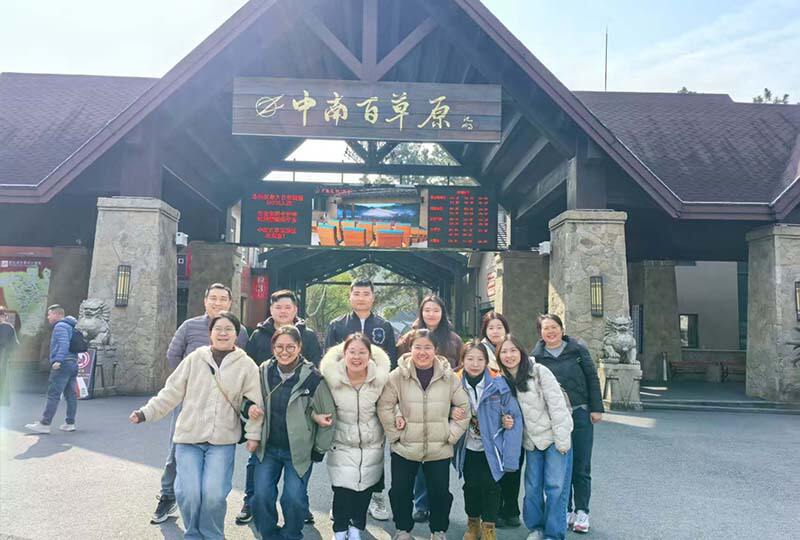
Finding Balance – DEKAI Team Trip to Zhejiang

13

May

Finding Balance – DEKAI Team Trip to Zhejiang

View More
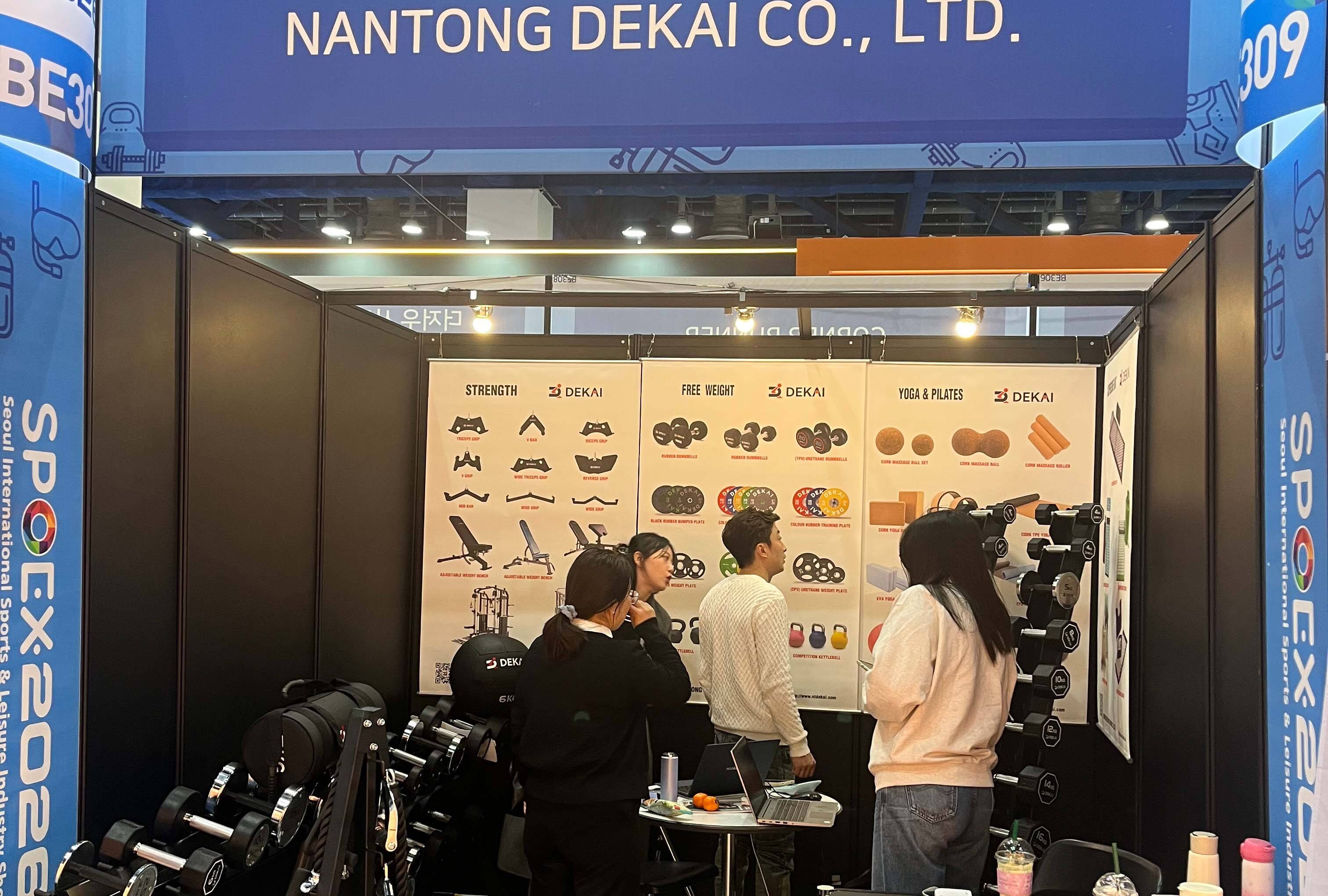
DEKAI Heads to Korea – Bringing Strength to the Global Stage

13

May

DEKAI Heads to Korea – Bringing Strength to the Global Stage

View More

Get a Free Quote

Our representative will contact you soon.
Email
Mobile/WhatsApp
Name
Company Name
Message
0/1000

urethane coated plates

Exceptional Impact and Abrasion Resistance for Maximum Operational Longevity

Exceptional Impact and Abrasion Resistance for Maximum Operational Longevity

The fundamental value proposition of urethane coated plates centers on their remarkable ability to withstand punishing operational conditions that rapidly destroy conventional screening solutions. The polyurethane coating material possesses inherent molecular characteristics that enable it to absorb impact energy rather than fracture or deform permanently when struck by heavy particles or sharp materials. This energy absorption capability stems from the polymer chain structure of urethane, which allows temporary deformation followed by elastic recovery, essentially allowing the material to flex and return to its original configuration countless times without cumulative damage. In practical operational terms, this means facilities processing angular crushed stone, sharp metallic scrap, or heavy ore chunks can expect dramatically extended service intervals compared to wire mesh screens that develop breaks and enlarged openings, or rubber components that tear and chunk out under similar conditions. The abrasion resistance of urethane coated plates proves equally impressive, with the material demonstrating exceptional durability against the constant sliding friction generated as materials traverse the screening surface. The molecular density and cohesive strength of properly formulated polyurethane creates a surface that wears gradually and uniformly rather than exhibiting the localized erosion patterns and rapid deterioration characteristic of softer materials. Field performance data from aggregate operations and mining facilities consistently demonstrates service lives extending from eighteen months to several years depending on material characteristics and processing volumes, representing substantial improvements over three to six-month lifespans typical of traditional screening media in similar applications. This longevity delivers compounding financial benefits beyond simple component cost savings. Reduced replacement frequency means fewer production interruptions for maintenance activities, preserving revenue-generating operating time and maintaining delivery commitments to customers. The labor expenses associated with screen changes decrease proportionally, freeing maintenance personnel for other productive activities and reducing overtime costs associated with emergency repairs. Inventory carrying costs diminish as facilities require fewer spare components in stock to maintain operational continuity. The predictable wear patterns of urethane coated plates also enable more effective maintenance planning, allowing facilities to schedule replacements during planned downtime rather than responding reactively to unexpected failures that disrupt production schedules and create urgency premiums on expedited component procurement.
Enhanced Screening Efficiency with Superior Material Flow Characteristics

Enhanced Screening Efficiency with Superior Material Flow Characteristics

The surface properties and structural design of urethane coated plates create optimal conditions for material separation efficiency, directly impacting product quality and production throughput. The smooth, slightly elastic surface texture of polyurethane provides ideal tribological characteristics for material conveyance across the screening deck. Unlike rough metal surfaces or textured rubber that can impede material flow through excessive friction, the urethane coating allows particles to move freely while maintaining sufficient contact for effective stratification. This balanced friction coefficient enables proper material presentation to screening apertures, where smaller particles can efficiently pass through openings while oversize material continues forward for discharge. The result is improved separation accuracy, with fewer oversize particles contaminating the undersize product stream and fewer properly sized particles remaining in the oversize fraction. This screening precision translates directly into higher product quality and greater value realization from processing operations. The anti-blinding characteristics of urethane coated plates represent a critical efficiency advantage for facilities processing materials with moisture content or clay contamination. Traditional wire mesh screens quickly develop peg formations where material particles become wedged in apertures, progressively reducing the effective screening area and diminishing throughput capacity. The slightly flexible nature of polyurethane surfaces combined with smooth aperture edges creates conditions where particles are less likely to become lodged. Vibrational energy transmitted through the screening deck causes micro-movements in the urethane coating that help dislodge particles attempting to peg in openings, maintaining open screening area throughout operating periods. Facilities report substantially reduced cleaning requirements and more consistent hourly throughput rates when operating with urethane coated plates compared to alternative screening media. The aperture design flexibility available with urethane coated plates enables precise customization for specific material characteristics and separation objectives. Manufacturing processes can create aperture configurations difficult or impossible to achieve with woven wire mesh, including elongated slots, tapered openings, and optimized patterns that maximize open area while maintaining structural integrity. This design freedom allows screening equipment to be precisely tailored for particular applications, whether that involves fine particle classification requiring numerous small openings or scalping operations benefiting from larger apertures with specific dimensional ratios. The open area percentage achievable with urethane coated plates often exceeds what traditional screens can provide, directly correlating to increased processing capacity from existing equipment footprints.
Cost-Effective Solution with Rapid Return on Investment

Cost-Effective Solution with Rapid Return on Investment

While urethane coated plates may present higher initial acquisition costs compared to basic wire mesh screens or standard rubber components, the total cost of ownership analysis consistently demonstrates superior economic value across operational lifecycles. The extended service life discussed previously creates the foundation for financial advantages, but the comprehensive economic benefits extend considerably further. Facilities implementing urethane coated plates typically document return on investment periods ranging from several months to less than one year, after which the cumulative savings continue accruing throughout the component's remaining service life. The reduction in unplanned downtime represents substantial hidden value that facilities often underestimate when evaluating screening media options. Every hour of unexpected production stoppage due to screen failure carries costs far beyond the component replacement expense, including lost production revenue, idle labor costs for operating personnel, customer relationship impacts from delayed deliveries, and potential penalty charges for contract non-performance. The reliability of urethane coated plates minimizes these disruptive events, preserving production schedules and protecting revenue streams. Maintenance labor efficiency improvements contribute meaningfully to overall cost reduction. The longer intervals between replacements naturally decrease the cumulative labor hours consumed by screen change activities throughout annual operational periods. Additionally, the lighter weight and easier handling characteristics of urethane coated plates reduce the time required for each individual replacement operation. Facilities report screen change procedures that previously required several hours with multiple personnel can often be completed in significantly less time with smaller crews when utilizing properly designed urethane coated plates. This labor efficiency translates directly to reduced maintenance department costs and improved personnel availability for other facility needs. Energy consumption advantages emerge from the reduced friction characteristics and lighter weight of urethane coated plates compared to heavier alternatives. Screening equipment drive systems consume less electrical power to maintain proper vibrational amplitude and frequency when moving lighter deck loads, creating modest but measurable energy savings that accumulate across continuous operational periods. Environmental and safety benefits also carry economic implications, though these may be more difficult to quantify precisely. The reduced noise generation improves workplace conditions and may help facilities avoid costly noise abatement investments or regulatory compliance issues. The decreased frequency of maintenance interventions reduces personnel exposure to elevated work locations and heavy component handling, potentially lowering workplace injury incidents and associated workers compensation costs.
Premium Urethane Coated Plates - Superior Screening Solutions for Industrial Applications

Get a Free Quote

Our representative will contact you soon.
Email
Mobile/WhatsApp
Name
Company Name
Message
0/1000