Adjustability That Accommodates All Experience Levels and Body Types
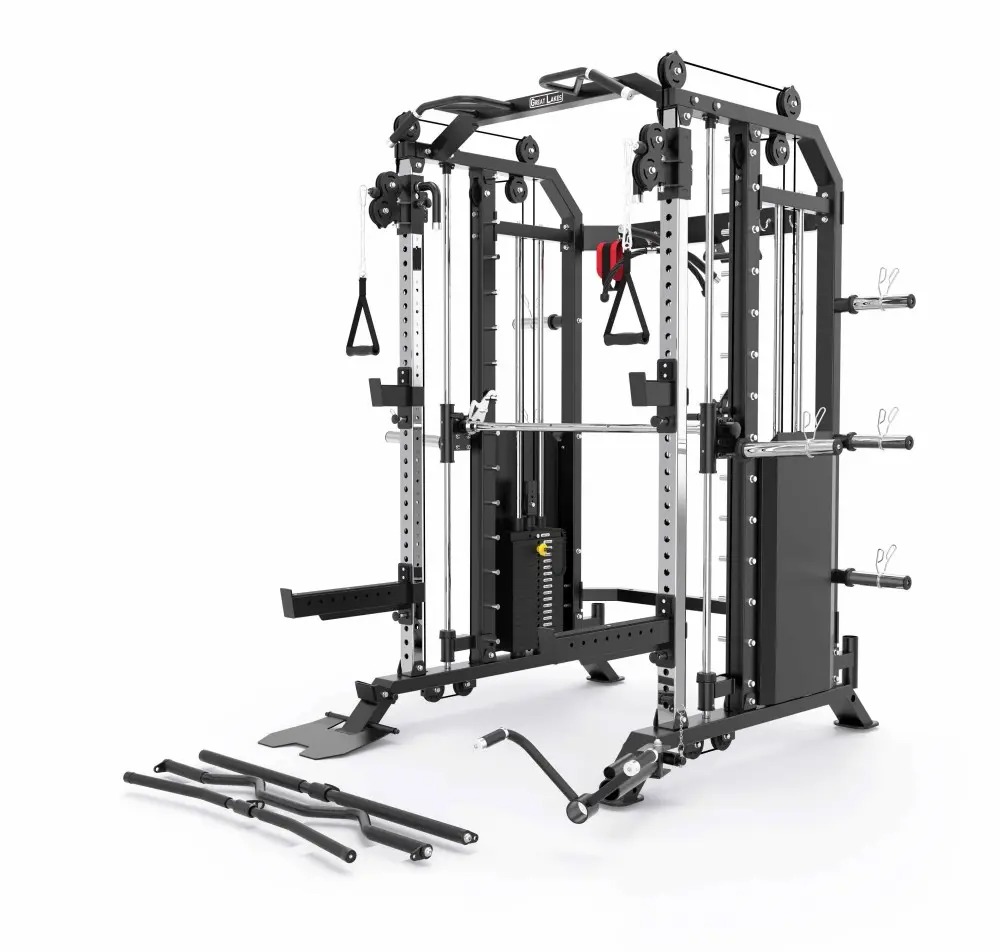
The comprehensive adjustability engineered into quality squat rack bench press systems ensures the equipment serves users across the complete spectrum from beginners taking their first steps into strength training to advanced athletes pursuing elite performance levels, while simultaneously accommodating different body dimensions and proportions that vary significantly among the general population. Height adjustment mechanisms allow the barbell starting position to align perfectly with each user's shoulder level for squats or optimal unracking position for bench presses, eliminating awkward reaching or inefficient positioning that compromises form and increases injury risks. This customization capability means shorter individuals do not struggle with hooks set too high, while taller users avoid uncomfortable crouching to access the bar, ensuring every exerciser experiences proper ergonomics regardless of their stature. The bench angle adjustability transforms workout possibilities by enabling flat, incline, and decline pressing variations that target muscle groups from different angles, promoting balanced development and preventing strength plateaus that occur when muscles adapt to repetitive identical stimuli. Incline positions emphasize upper chest and anterior shoulder development, decline angles shift focus toward lower pectoral regions, and flat pressing provides comprehensive chest engagement, giving you complete control over training emphasis. Many squat rack bench press units feature multiple J-hook positions along vertical uprights, creating numerous starting heights suitable for various exercises beyond primary movements, including rack pulls at different ranges, pin presses for lockout strength, and elevated starting positions for accommodating lifting variations. The safety bar adjustability mentioned earlier also contributes to the overall versatility, as you can set protective catches at appropriate failure points for different exercises and user sizes, maintaining safety across diverse applications. Seat or backrest adjustments on the bench component ensure proper hip and shoulder positioning relative to the bar path, supporting biomechanically sound movement patterns that maximize muscle engagement while minimizing joint stress. This extensive adjustability future-proofs your investment, as the equipment remains perfectly suited to your needs whether you are just starting with bodyweight-assisted movements, progressing through moderate loads during skill development, or eventually handling advanced training weights that challenge even experienced lifters. Families particularly benefit from this adaptability, as one piece of equipment correctly configures for teenagers, adults of varying heights, and seniors with different mobility considerations, making fitness accessible and safe for everyone sharing the home gym space without requiring separate specialized equipment for each person's unique physical characteristics and training requirements.




 EN
EN