rack pull in smith machine
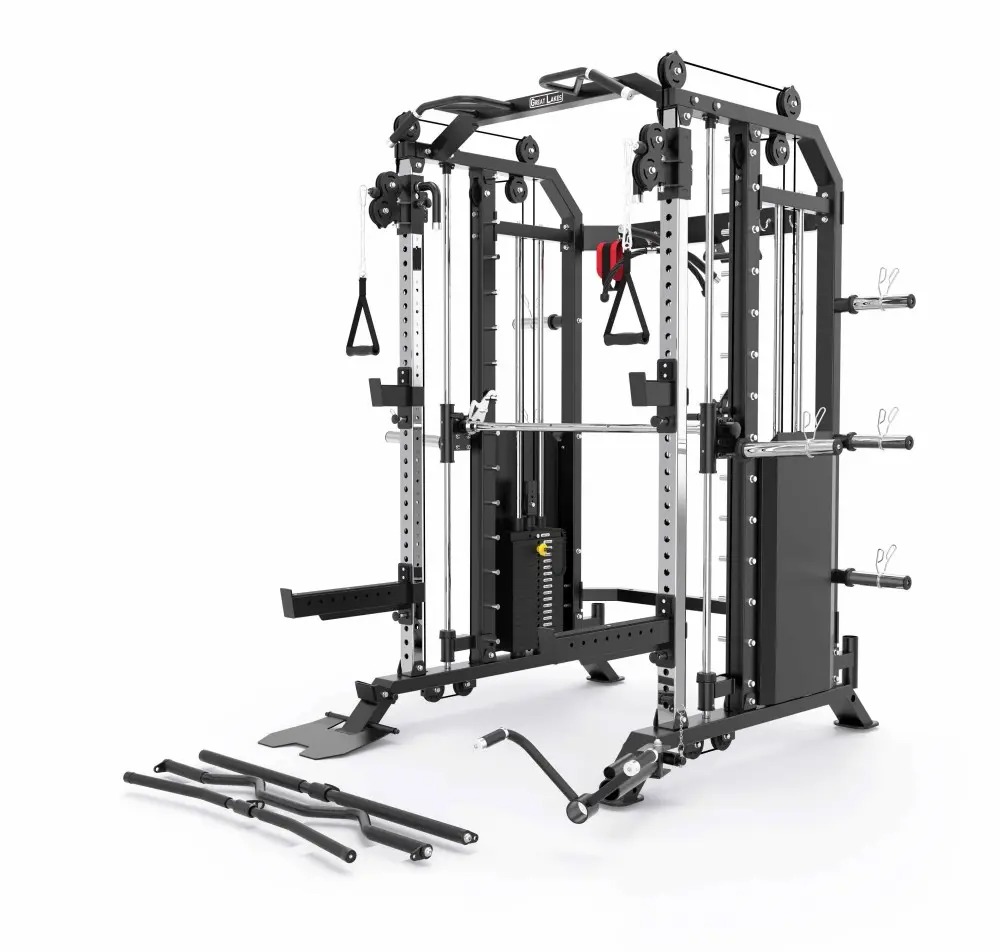
The rack pull in smith machine represents an innovative strength training exercise that combines traditional deadlift mechanics with the controlled environment of a smith machine apparatus. This exercise targets the posterior chain muscle groups, including the lower back, glutes, hamstrings, and trapezius muscles, while providing enhanced safety features and movement consistency. The rack pull in smith machine differs from conventional rack pulls by utilizing the fixed vertical plane of the smith machine, which guides the barbell along a predetermined path. This technological approach eliminates the need for complex stabilization, allowing lifters to focus primarily on raw pulling power and muscle engagement. The exercise begins with the barbell positioned on safety pins or catches at various heights, typically between knee and mid-thigh level, depending on training objectives and individual anatomy. Users position themselves beneath the bar, grip it with their preferred hand placement, and execute a powerful pulling motion to lift the weight to full lockout position. The smith machine framework consists of a vertical steel rail system with rotating hooks that catch the bar at multiple height intervals, providing immediate safety disengagement if needed. This equipment configuration makes the rack pull in smith machine particularly valuable for commercial gyms, home fitness environments, and rehabilitation centers. The exercise serves multiple training purposes, from building maximum strength in the upper portion of the deadlift movement to developing thick, powerful back musculature. Athletes utilize this movement to overcome sticking points in their conventional deadlifts, while bodybuilders employ it to stimulate hypertrophy in the upper back region. The rack pull in smith machine accommodates various training methodologies, including heavy overload protocols, moderate volume hypertrophy work, and controlled rehabilitation exercises for individuals recovering from lower body injuries. Its versatility extends across different fitness levels, from beginners learning proper hip hinge mechanics to advanced powerlifters seeking accessory movements that complement their main competition lifts.


 EN
EN