Comprehensive Exercise Versatility for Total Body Development
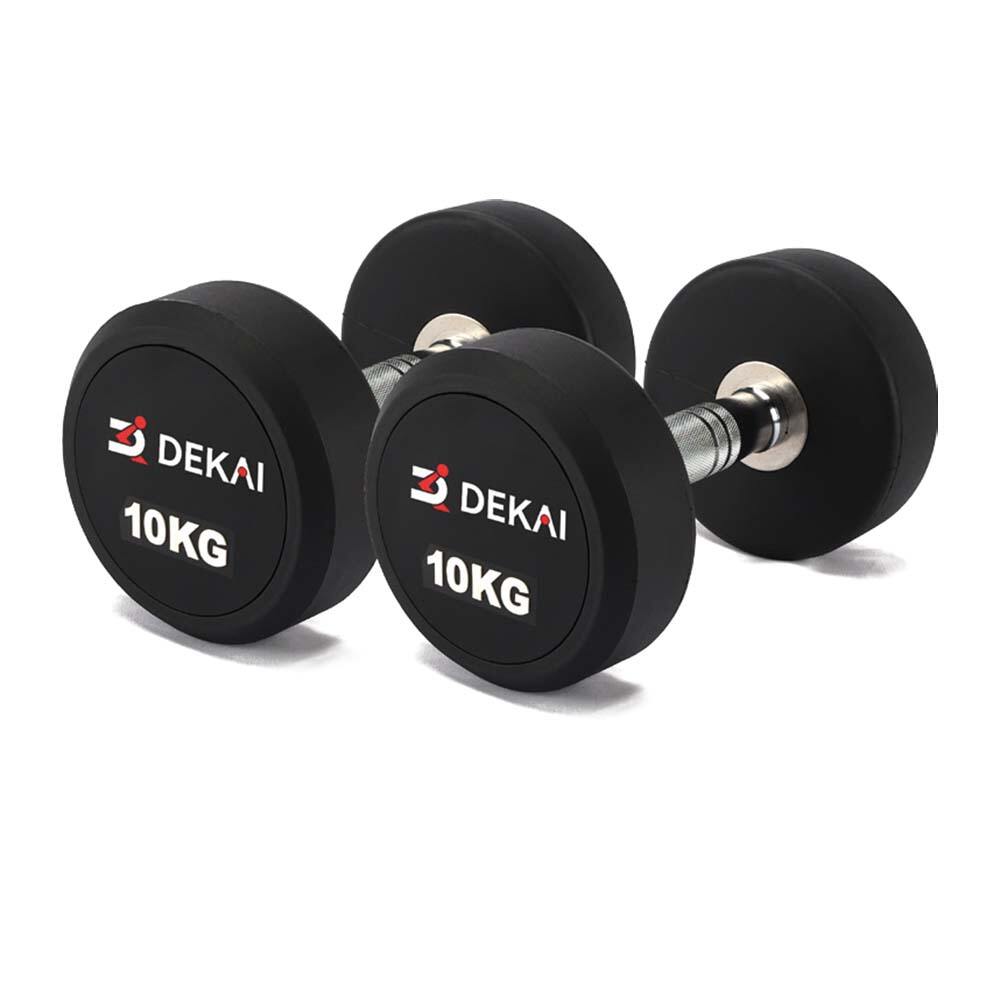
The remarkable exercise versatility offered by a dumbbell bar set stands as perhaps its most valuable attribute, enabling users to construct comprehensive training programs that address every muscle group and movement pattern using this single equipment investment. Unlike specialized machines that lock you into fixed movement paths and limit exercise selection, dumbbell bar sets provide complete freedom to perform natural movement arcs that match your individual biomechanics and joint structures. Upper body pressing exercises represent just the beginning of possibilities, including flat bench presses for chest development, incline variations to emphasize upper pectoral fibers, shoulder presses performed seated or standing, and floor presses that reduce shoulder stress while building pressing strength. Pulling movements complement these pressing exercises, with bent-over rows building back thickness, single-arm rows allowing focused development on each side independently, chest-supported rows eliminating lower back stress, and upright rows targeting shoulder and trap development. The arm training options prove equally extensive, from standard bicep curls and hammer curls to concentration curls for peak contraction, overhead tricep extensions, lying tricep extensions, and kickbacks that isolate the tricep muscles completely. Lower body exercises utilizing dumbbell bar sets often get overlooked but deliver outstanding results, including goblet squats that teach proper squat mechanics, Bulgarian split squats for single-leg strength and balance, Romanian deadlifts that build posterior chain power, lunges in multiple directions for functional leg development, and calf raises for lower leg training. Core strengthening exercises take on new dimensions with dumbbells, including weighted Russian twists, dumbbell side bends for obliques, overhead carries that challenge anti-extension stability, and renegade rows that combine pushing, pulling, and anti-rotation demands in one movement. Athletic training benefits substantially from dumbbell exercises that improve power production, including dumbbell snatches, clean and press variations, push presses, and rotational movements that transfer directly to sports performance. Rehabilitation specialists value the unilateral training capacity of dumbbells, as working one limb at a time helps correct strength imbalances, restore normal movement patterns after injury, and rebuild confidence in previously injured areas through controlled progressive loading. Functional fitness enthusiasts appreciate how dumbbell exercises mimic real-world movement patterns better than machines, improving everyday capabilities like lifting objects, carrying groceries, playing with children, and maintaining independence throughout aging. The stabilization demands imposed by free-weight dumbbell training recruit smaller stabilizer muscles that machines neglect, building more complete strength and reducing injury risk during daily activities. Creative programming becomes possible with dumbbell bar sets, as trainers design complexes where multiple exercises flow together without setting the weights down, circuit training that moves rapidly between movements for conditioning benefits, and supersetting opposing muscle groups for time efficiency and enhanced metabolic stress that promotes muscle growth and fat loss simultaneously.




 EN
EN